Angolan GMA begins wheat flour export to the Democratic Republic of Congo
Read more
Noticias ao Minuto
noticiasaominuto.com

Angolan GMA begins wheat flour export to the Democratic Republic of Congo

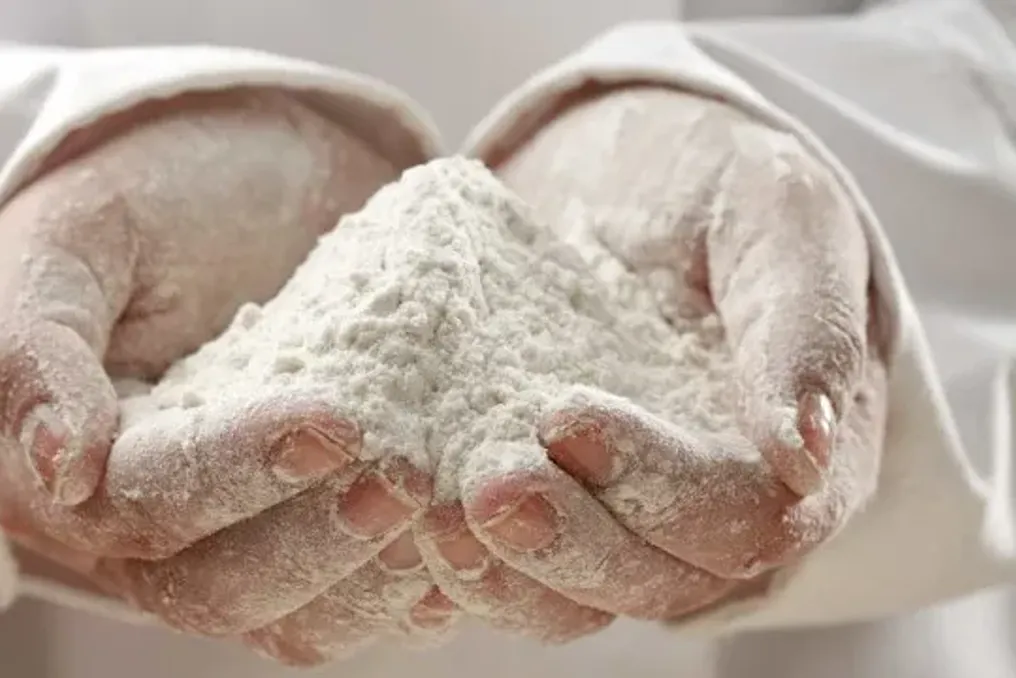
Grandes Moagens de Angola (GMA), an Angolan company operating in the agro-industrial sector, announced the completion of its first wheat flour export destined for the Democratic Republic of Congo (DRCongo). This initial shipment totaled 220 tons.

According to a press release issued by the company itself, this transport was carried out using the Lobito Corridor, which constitutes a railway infrastructure and a logistical axis of Angola extending to both the DRCongo and the Republic of Zambia.

Founded in 2017, GMA obtains the necessary raw material through the importation of wheat, which is subsequently processed into flour within the national territory. The company also prioritizes the purchase of local production whenever feasible, although this production is still insufficient to meet all market demand.

The first load, consisting of ten containers, departed on November 14th bound for Kolwezi. This logistical operation was conducted by Lobito Atlantic Railway (LAR), which manages the Lobito Corridor.

The company's note highlights that this achievement represents a significant milestone for both GMA and Angola, demonstrating that investment in industrial capacity not only enables the reduction of dependence on imported products but also paves the way for penetration into new markets.

GMA expresses the intention of building a lasting commercial partnership with the DRC, aiming to foster a stable market for wheat flour produced in Angola in the neighboring country, which will create continuous and long-term export opportunities.

César Rasgado, the company's general director, emphasized in the note that GMA has been working since its inception to strengthen domestic production and reduce the need for imported flour.

Similar stories

How to Make Delicious and Nutritious Parathas from Flour and Sweet Potato
Read more
www.aajtak.in

How to Make Delicious and Nutritious Parathas from Flour and Sweet Potato

During the winter season, sweet and healthy sweet potatoes are widely available and are very beneficial for health. They are usually boiled or fried, but if you are tired of monotonous eating, try something new for breakfast in cold weather.

Paratha, made from wheat flour and cooked sweet potato, is distinguished by its exceptional taste and soft texture inside. They are liked by everyone, from children to adults, and they are very quick to prepare. Below is the simplest recipe and secret tips.

To prepare, you will need: 2 medium cooked sweet potatoes (peeled and well mashed), 2 cups of wheat flour, half a teaspoon of fennel seeds or cumin, 1 hot pepper (finely chopped, optional), 2 tablespoons of fresh cilantro (finely chopped), salt, and a little red pepper to taste. For frying, it is recommended to use pure ghee or butter.

It is important to use little water when kneading the dough, as sweet potato has natural moisture. First, thoroughly mix the sweet potato with the flour. Regarding spices, if you prefer sweet parathas, you can add a little cardamom powder and maple syrup instead of salt and pepper. For a savory option, the combination of fennel and cumin will provide an excellent flavor.

First, mix the wheat flour with the well-mashed cooked sweet potato in a large bowl. Add the fennel, hot pepper, cilantro, salt, and red pepper, then mix thoroughly by hand. After that, knead a soft and smooth dough, gradually adding a little water, like for a flatbread. Let the dough rest for 10 minutes.

Take a medium portion from the dough, wrap it in dry flour, and roll it into a circle. You can make them plain or stuffed. Heat a skillet over medium heat and place the rolled paratha on it. Fry on both sides, brushing with pure ghee, until they are golden and crispy.

The finished, very nutritious, soft, and delicious sweet potato parathas are ready. They should be served hot with tea, fresh butter, and pickled vegetables.

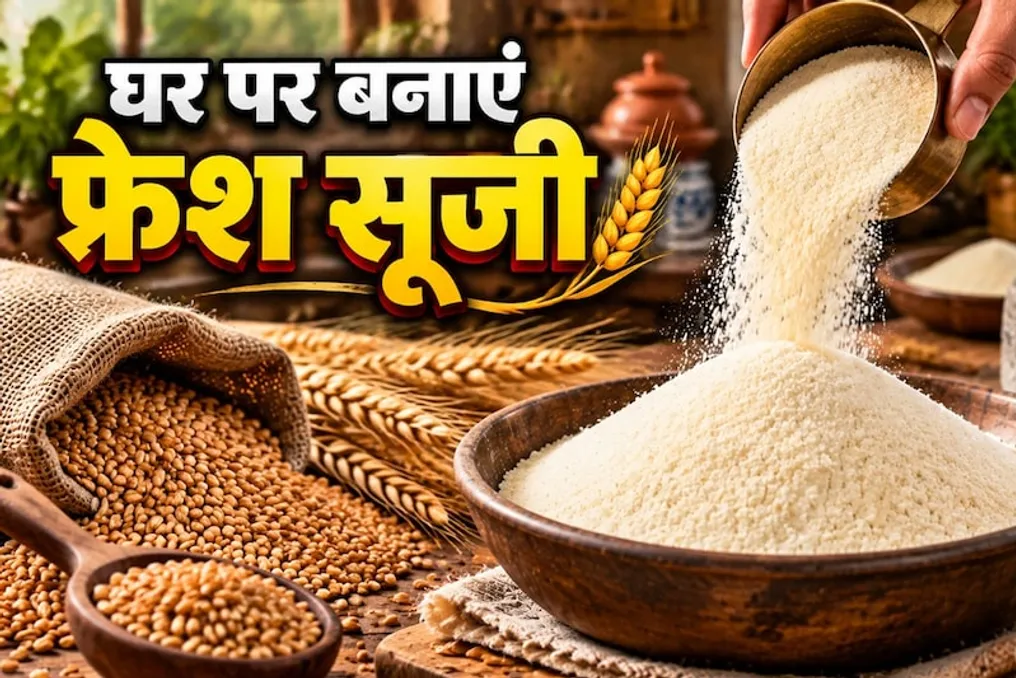
How to make clean and grainy suji at home from wheat, avoiding store-bought mixes
Read more
www.aajtak.in

How to make clean and grainy suji at home from wheat, avoiding store-bought mixes

Suji is used not only for making halva but also in many other dishes such as puri and idli. Although most people buy suji in stores, here is a way to prepare clean and fresh suji at home.

During cold seasons and holidays, suji is actively used to prepare halva, upma, idli, and dhokla. However, packaged suji available for sale is often old, and there is a risk of insect infestation or flour contamination.

If you want to feed your family suji that is 100% pure, fresh, and free from chemicals or polishing agents, it is very simple to make it from whole wheat at home. Homemade suji not only has a rich and grainy taste but also retains the natural nutrients of wheat. Below is the simplest method for preparing clean suji from wheat and secret tips for storage.

To prepare the wheat for grinding, it needs to be slightly moistened: lightly spray the wheat with water 10 minutes before grinding. This helps easily separate the outer husk (bran) and isolate the inner grainy part.

After preparation, the suji should be lightly roasted for 2-3 minutes over low heat without oil. This method ensures that the suji remains dry and will not be attacked by insects or beetles for many months.

First, you need to clean and wash the whole wheat, ensuring it is free from stones and gravel. Then, the wheat should be thoroughly dried in bright sunlight for 4-5 hours until it is completely hard and dry.

The dried wheat is placed in the bowl of a food processor. Instead of running the processor continuously, it should be pulsed 2-3 times to avoid producing fine flour and to ensure the grain cracks coarsely.

Next is the sifting process. First, the ground mixture is sifted through a fine flour sieve to separate the fine flour. Then, the remaining coarse mixture is sifted through a sieve for suji with medium holes. The clean, grainy suji will collect in a bowl, while the coarse husk and groats remain on the sieve.

The final step is dry roasting. The prepared suji is roasted in a pan over low heat for 2-3 minutes. After it cools, it should be transferred to a clean, dry, airtight glass jar.

Thus, your 100% pure, additive-free, homemade grainy suji is ready. You can enjoy the fresh taste by preparing hot upma or halva.

Popular