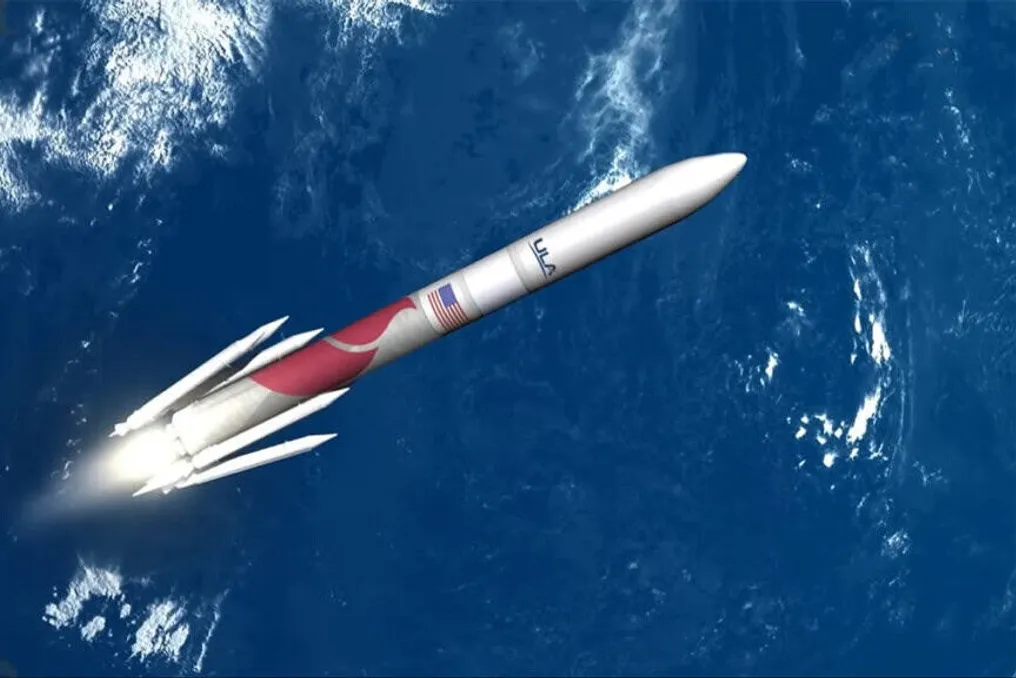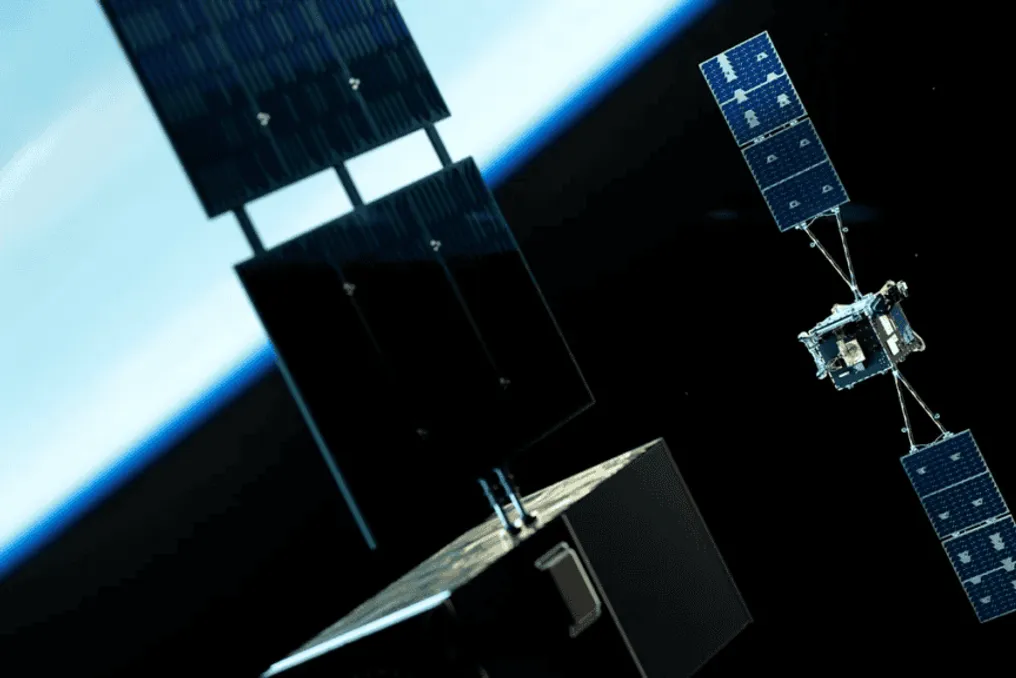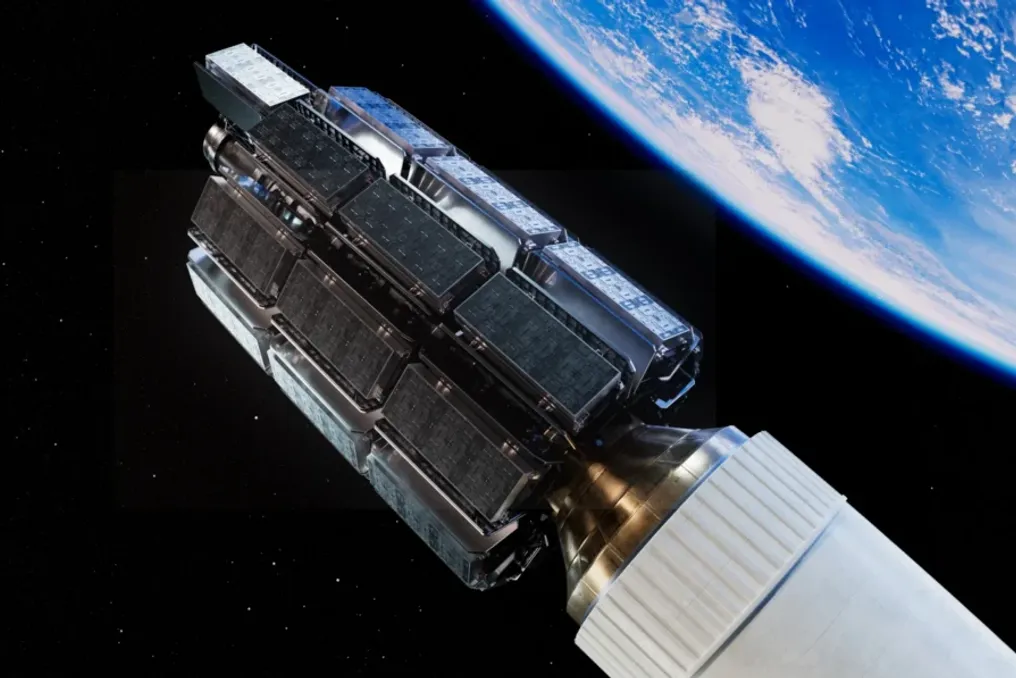
A Vulcan rocket, operated by United Launch Alliance (ULA), suffered a failure during a mission conducted this Sunday, November 15th. The objective of the launch was to place 40 satellites belonging to the Amazon Leo constellation into orbit. The incident occurred approximately ten minutes after liftoff at Cape Canaveral, Florida, culminating in the total loss of the payload.
As reported by Reuters, this represents the first mission failure in the twenty years of ULA's existence, a joint venture formed by Boeing and Lockheed Martin. This flight was also scheduled to initiate a set of 38 launches contracted by Amazon to expand its satellite internet network.
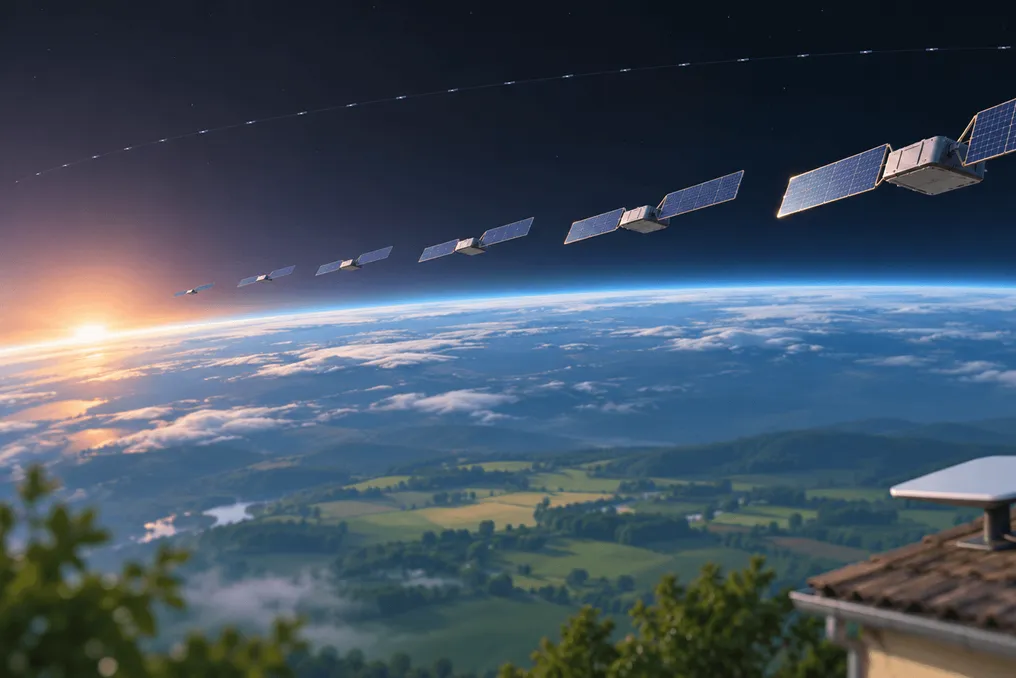
In addition to broadband, Amazon is expanding its satellite fleet to support the Direct-to-Device service, which aims to compete with the well-known plan offered by Starlink. The failure impacts Amazon's expansion plans, which has managed to position 398 satellites in orbit through 14 launches since 2025, reaching just over 10% of its established goal.
Unlike SpaceX, which uses its own vehicles to launch Starlink satellites, Amazon relies on agreements with various suppliers to put its constellation into space. Meanwhile, Starlink already has over 11,000 satellites in orbit, serving millions of users globally.
ULA confirmed, through a statement released on the social network X, that the vehicle presented an 'anomaly' about ten minutes after departing from the Cape Canaveral Space Force Station, making it impossible to insert the satellites into orbit. According to Reuters, the problem appears to have arisen shortly after the separation between the first and second stages of the Vulcan, as the Amazon satellites were located in the upper stage. The exact cause of the failure has not yet been determined.
In response, ULA stated that it has begun analyzing the data recorded during the flight. Amazon also commented after the mission loss, acknowledging that 'there is risk in any launch,' especially in 'inaugural missions like LV-01.' The company, under the management of Andy Jassy, reiterated its long-term commitment to ULA.
This event interrupts a streak of success maintained since the founding of United Launch Alliance in 2006, resulting from the merger of Boeing's Delta program and Lockheed Martin's Atlas program. However, the mission with the Amazon satellites was only the fifth flight of the Vulcan rocket, which was launched in 2024, and this was the first in nine months. During this period, the rocket remained on the ground under investigation due to technical issues at ULA.
One of these issues involved the side solid boosters, which showed failures in the two preceding flights of the rocket. Another issue involves the BE-4 engines from Blue Origin, as a rocket from this company exploded in May, just days before another launch intended to carry Amazon Leo satellites. A source heard by the agency indicates that Blue Origin is already participating in the investigation of the failure that occurred this Sunday, although, so far, there is no evidence that the BE-4 engines were responsible for the accident.
Reuters points out that the investigation into the Vulcan may force the rocket to remain inoperable for several months, which would further reduce market availability, especially after recent failures registered by SpaceX.