Cunene Agriculture Director States Drought Will Have Lesser Impact Due to Government Investments
Read more
Noticias ao Minuto
noticiasaominuto.com

Cunene Agriculture Director States Drought Will Have Lesser Impact Due to Government Investments

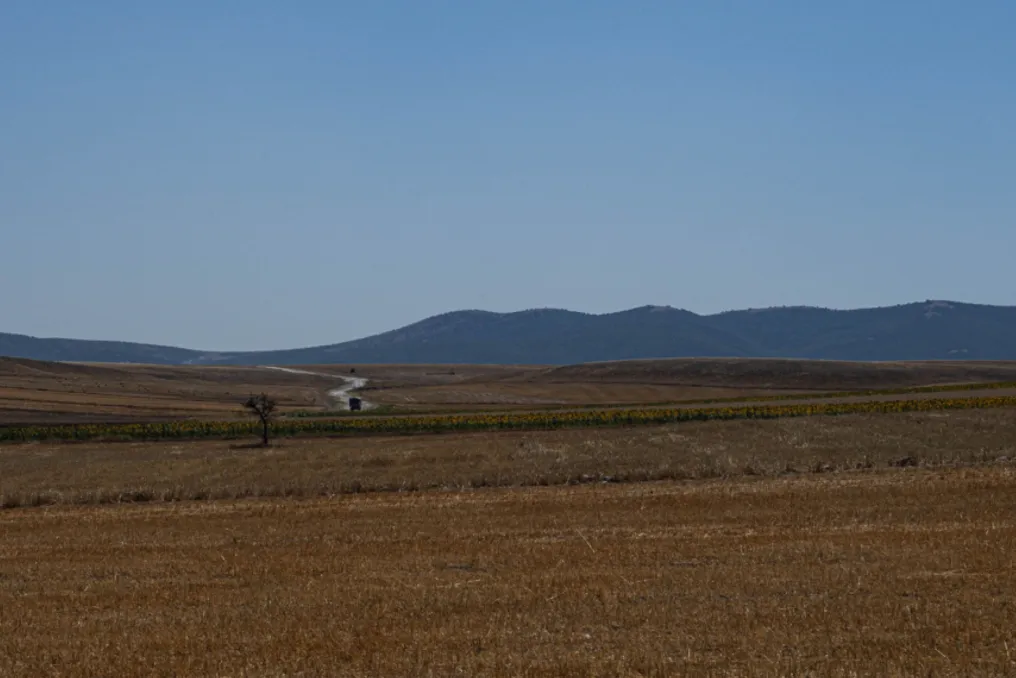
The provincial director of agriculture in Cunene assessed that the expected rainfall scarcity in central and southern Angola will not bring the same consequences observed in previous years, thanks to investments made by the Government. This statement was made in response to the report from the Fews Net Early Warning System, which indicates that nearly two million Angolans are at risk of hunger due to poor harvests and lack of precipitation in the country's central and southern regions.

The official made these remarks aboard the Cafu Canal, a dam built by the Angolan government and operational since 2022. The visit to the site was conducted by Lusa during a trip to Cunene province, at the invitation of the Ministry of Telecommunications, Information Technologies, and Social Communication of Angola.

The provincial director admitted that the effects of El Niño on southern Angola are not favorable, as they cause drought. However, he stressed that with the actions taken by the Government, the available water, existing dams, and their pumps, the effects will be significantly smaller compared to past years. He assured that the situation will be minimized because of the irrigation systems.

The manager acknowledged that the available water will not be sufficient for the entire population, especially for those living further away. However, for those near the canals and with government support, there will be efforts to mitigate damage through irrigated crops. When questioned about the potential for food insecurity, the Cunene director confirmed that there is a threat, but that it is necessary to 'know how to live with it' and 'maneuver' to avoid major losses to communities.

He mentioned that people along the canal are finding ways to produce, noting the increase in small, accessible motor pumps to communities, demonstrating great productive interest. The provincial director, who faces serious drought problems, underlined that in the last two years, the area has registered 'good rainfall,' decreasing previous discontent and allowing production that sustains until the next harvest.

According to the source, the Cafu Canal has already produced over 22 thousand tons of vegetables, cereals, and other products cultivated by the local community since it became operational. The executive is promoting the introduction of new crops; previously, Cunene province relied only on rainfed production, focused on cereals like massango. Currently, along the Cafu Canal, unusual species for the population are being cultivated, such as cassava, wheat, sugarcane, and tomato.

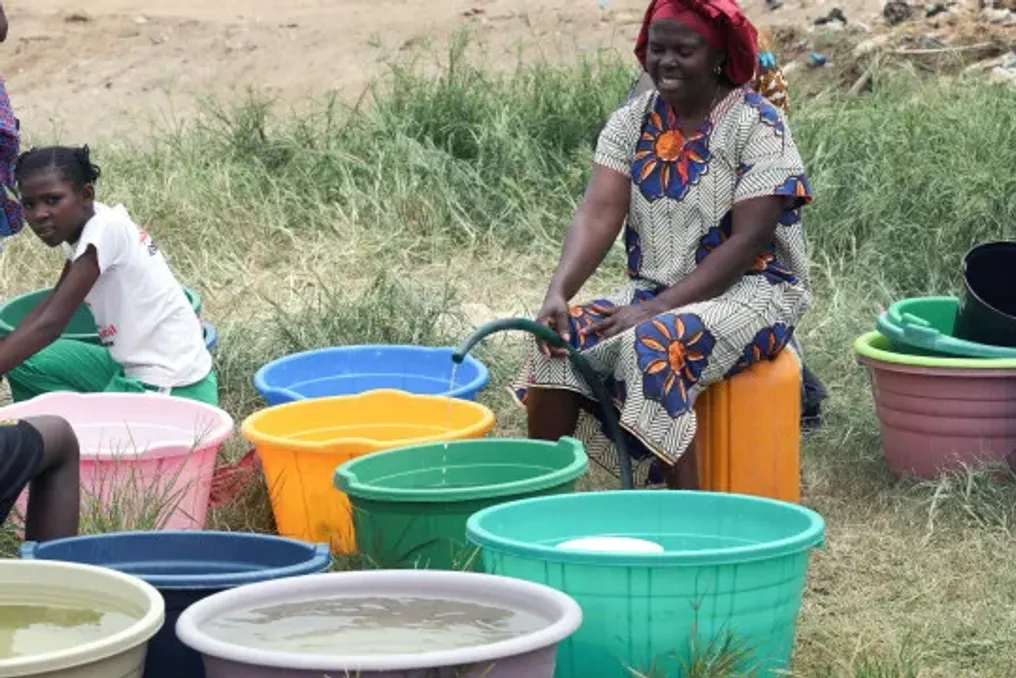
Carlos Ndanyengondunge stated that with the operation of the Cafu Canal, clearly fewer people need water, as it brought water resources close to the communities. Despite this, he warned that the problem is not entirely solved, given the dispersed lifestyle of the populations, who are pastoralists and livestock breeders, and who tend to live in isolation to protect their cattle.

Meanwhile, Anita Esperança, general director of the Technical Unit for Exploitation and Development of Irrigated Perimeters in Cunene, indicated signs of change compared to the previous scenario of extreme drought, resulting from the investments made. She emphasized that although Cunene has historically been affected by cyclical droughts, the onset of rains, combined with a permanent water source, will guarantee the availability of this resource throughout the year.

Esperança highlighted that it was possible to observe the implementation of crops along the canal even during periods without rain, meaning that the canals will continue to supply water needs for livestock, human consumption, and agricultural activities. In parallel, Fews Net estimates that between 1.5 and 1.99 million people will require humanitarian food assistance in Angola between November 2026 and January 2027, coinciding with the interval between harvests. The pastoral and agro-pastoral regions of Benguela, Namibe, Cunene, Huíla, Cuando, and Cubango are pointed out as the areas of greatest concern, according to a report released by ReliefWeb, a service managed by the United Nations Office for the Coordination of Humanitarian Affairs (OCHA).
Similar stories

Experts present new agricultural methods concerning soil health and crop quality
Read more
www.aajtak.in

Experts present new agricultural methods concerning soil health and crop quality

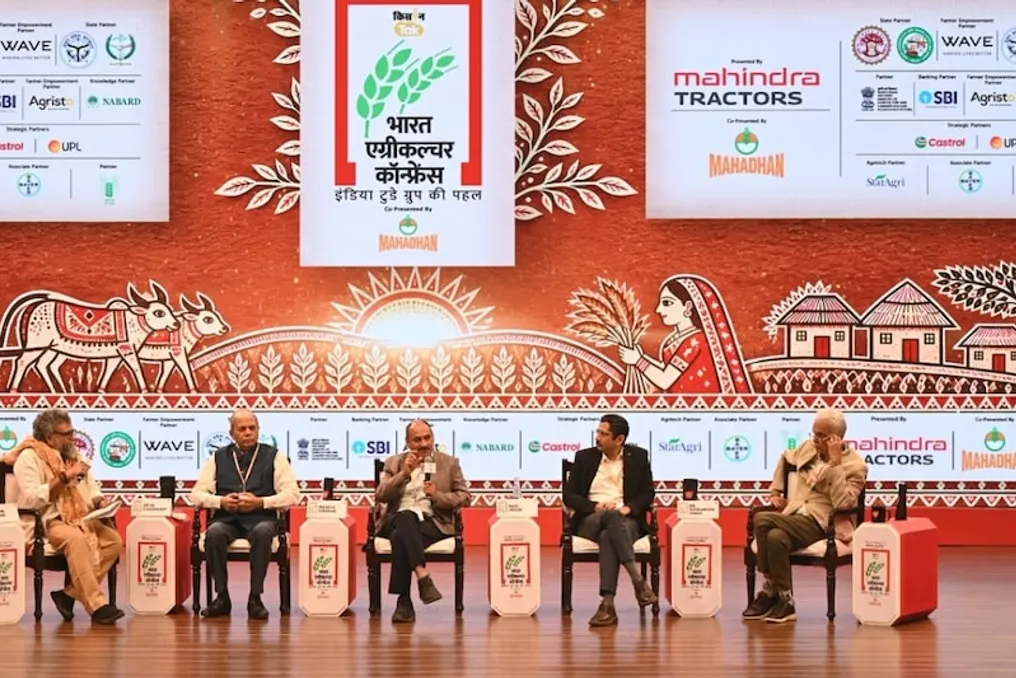
Modern agriculture in India faces serious issues such as deteriorating soil conditions, unbalanced fertilizer use, and pesticide residues in crops. Amid growing pressure on farmers to increase production, questions arise regarding farming costs, soil quality, and crop safety. These issues were discussed at the 'Bharat Agriculture Conference 2026,' organized by India Today Group.

Experts who spoke at the conference included Dr. SK Choudhary, Director of General Affairs for the Fertilizers Association of India; Mahesh Ghirdhar, Chairman of Agriculture Solution, MAL; Ravi Hegde, Head of Global Regulatory Affairs for UPL; and Dr. Sudhanshu Singh, Regional Director for Southeast Asia at CIP.

The experts emphasized that fertilizers themselves are not inherently harmful to the soil; rather, the problem lies in their improper application. They noted that more productive and safer farming is possible through soil analysis, ensuring nutrition according to crop needs, and using pesticides in appropriate doses.

Dr. SK Choudhary, Director of General Affairs for the Fertilizers Association of India, stated that fertilizers cannot be directly blamed for poor soil condition. He recalled that the Indian Council of Agricultural Research has been studying the long-term impact of fertilizers on soil for years. According to research data, if nitrogen, phosphorus, and potassium are used in a balanced manner and supplemented with secondary nutrients, micronutrients, and organic fertilizers, fertilizers can become a blessing rather than a curse for the soil.

He added that maintaining balanced nutrition preserves organic carbon content in the soil, which improves both yield and product quality. Problems arise when farmers overuse one nutrient while ignoring other necessary components. Therefore, instead of blaming fertilizers, the focus should be on their correct ratio and application methods.

Dr. Choudhary also pointed out that fertilizer subsidies and low prices for urea contribute to unbalanced usage. He noted that farmers receive urea at a price of about 5.5 rupees per kilogram, and the rapid greening of plants after application encourages excessive use. He suggested considering including urea in a nutrient-based subsidy system. Furthermore, reducing fertilizer losses can be achieved through the integrated use of new and more effective products, biofertilizers, biostimulants, water-soluble, and nano-fertilizers.

Mahesh Ghirdhar, Chairman of Agriculture Solution, MAL, stressed the critical importance of selecting the right fertilizer, its precise quantity, timing, and location of application. He believes that a farmer must understand not only how to apply fertilizer but also at what stage of crop development and in what quantity the crop requires a specific nutrient.

Ghirdhar compared this to human nutrition: just as a balanced diet is necessary to maintain bodily health, soil and crops also require balanced nutrition. He explained that a diet consisting only of rice while ignoring legumes, vegetables, and other nutrients will negatively affect human health; the same applies to crops. Excess of one element and deficiency of another affects the health and productivity of the harvest.

Citing the example of rice crops, he explained that good yields require healthy shoots, large panicles, and heavy grains, and nutrient requirements vary at different growth stages. Ghirdhar advised conducting soil analysis before applying fertilizers to understand the present nutrients, organic carbon content, pH level, and electrical conductivity, and only then creating a fertilization schedule. He emphasized that the farmer's task is not just to apply a product but to provide the crop with nutrition that meets its needs.

He also reported that experiments conducted by Mahadhan to improve nutrient use efficiency showed good results when using biological microorganisms. According to him, in some trials, yield increased by 10–20% using the same amount of fertilizer. Additionally, work is underway to create a single product containing eight nutrients adapted to crop needs.

Dr. Sudhanshu Singh, Regional Director for Southeast Asia at CIP, noted that India holds an important position globally in the production of rice and potatoes; however, the current challenge is not only increasing volume but also achieving better and higher-quality production with fewer resources. He pointed out that a huge amount of fertilizer is used in the country annually, part of which has to be imported.

Farmer Kajodmal Earns Lakhs by Selling Solar Energy Alongside Farming, A Successful Model in Rajasthan
Read more
www.aajtak.in

Farmer Kajodmal Earns Lakhs by Selling Solar Energy Alongside Farming, A Successful Model in Rajasthan

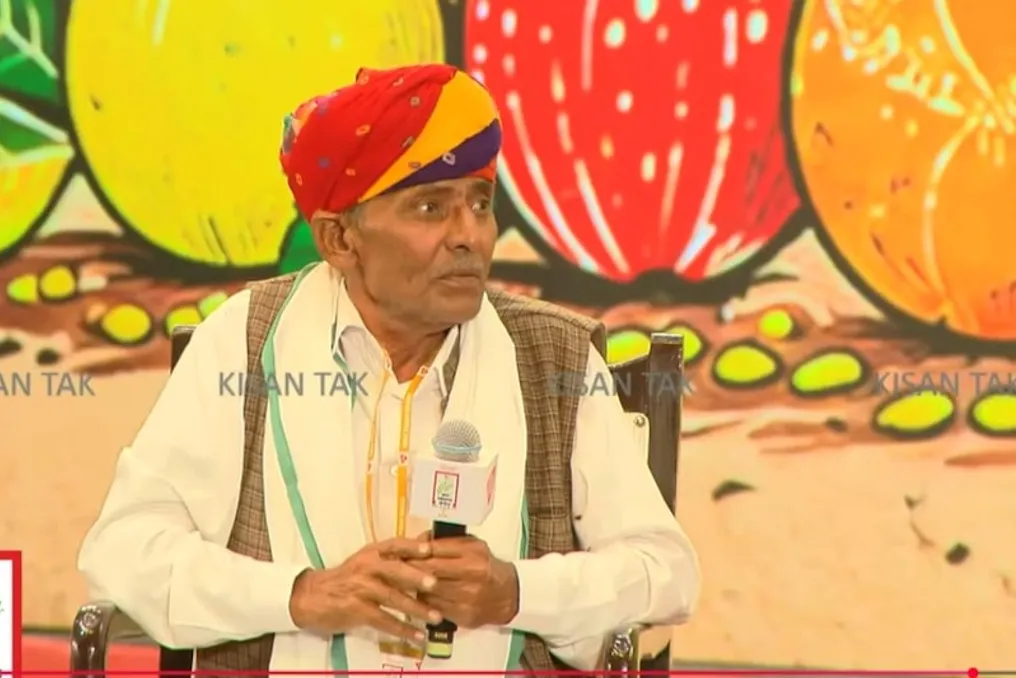
New opportunities are emerging to increase farmers' income by integrating agriculture and solar energy. Farmer Kajodmal from Kundanpur village in Jaipur district of Rajasthan is an example of this success. He installed solar panels on his farm, which not only created a source of income from electricity generation but also developed an agricultural model where both crop production and power generation are possible on the same land. Kajodmal shared his experience at the 'Double Blast of Food and Energy' session of India Today's Bharat Agriculture Conference 2026.

Kajodmal stated that he applied for installing a solar plant under the Pradhan Mantri Kisan Urja Suraksha evam Utthan Mahabhiyan (PM-KUSUM) scheme in 2019. His Power Purchase Agreement (PPA) was made at the rate of Rs 3.14 per unit. He owns a total of eight acres of land. Initially, he installed standard height solar panels, which reduced the area available for farming and affected crop yield.

After installing the solar panels at a higher elevation, farming possibilities increased on Kajodmal's farm, and he started cultivating maize, chili, and other vegetables. Notably, even during the extreme heat of May-June, at temperatures of about 45 degrees Celsius, his maize yielded well. He mentioned that he cultivated maize using techniques like drip irrigation and mulching, which led to better water utilization and provided a suitable environment for the crop.

Currently, he is growing tomatoes, cucumbers, and bottle gourd along with chilies on his farm. He also plans to cultivate dragon fruit and strawberries in the future.

According to Kajodmal, high-mounted solar panels provide several benefits to crops. The temperature beneath the panels remains comparatively lower, providing relief to crops during the hot season. Additionally, the crops receive a favorable climate even in winter. Because the panels are high, the risk of theft is reduced, and they accumulate less dust and dirt.

He also mentioned that he is preparing to grow tomatoes in a novel way; tomato vines will be spread upwards supported by the pillars of the solar panels and bamboo. This method, combined with mulching, is expected to improve the quality and yield of tomatoes.

Kajodmal is also earning a good income through electricity generation from the solar plant. His plant has a capacity of approximately one megawatt. After repaying the loan installments taken from the bank, he saves about Rs 1.25 lakh per month from electricity sales, resulting in an annual income of about Rs 15 lakh from electricity. He has a Power Purchase Agreement (PPA) with the Distribution Company (DISCOM) for selling electricity, under which he receives payment at the rate of Rs 3.14 per unit. The income from vegetable cultivation is separate, and he receives payment for it approximately every three months.

Experts warn North Cape farmers about possible reduction in rainfall this summer
Read more
foodformzansi.co.za

Experts warn North Cape farmers about possible reduction in rainfall this summer

Climate experts from the Agricultural Research Council have cautioned North Cape farmers about the serious consequences of the El Niño phenomenon. The Department of Agriculture, Environmental Affairs, Rural Development and Land Reform of the Northern Cape organized an online webinar involving farmers, researchers, as well as agricultural and climate specialists to raise awareness and propose strategies for preparing for El Niño in the province.

Johan Malherbe, a senior researcher at the Agricultural Research Council (ARC), detailed the process of El Niño in South Africa, its impact on the Northern Cape, and the forecast from the International Institute of Climate and Society for the province.

Malherbe noted that South Africa typically experiences dry conditions during the summer period, especially from November to March. He emphasized that this covers the entire summer rainfall zone, and the Northern Cape is also frequently affected by negative consequences. According to him, there is a possibility of a 50–60% reduction in rainfall across most inland areas of the Northern Cape until January of the following year.

Sarah Roffe, a climatologist from ARC, presented the results of her drought research, stating that the last drought began in 2015. She stated that this is the longest drought, which lasted about 70 months in some areas, representing a long period of reduced rainfall that raises concerns about the impact on livestock and pastures.

Roffe also explained how the drought has affected vegetation patterns and pastures. She observed that the vegetation character in these areas is relatively stable, but with intensified drought conditions, the impact on vegetation, particularly pastures, becomes more severe.

Meanwhile, Gugulethu Zuma Netshiukwe, an agro-meteorologist and researcher at ARC, highlighted the importance of monitoring weather forecasts, growing seasons, early warnings of impending rainfall, and other long-term forecasts before making planting decisions.

She explained that such information will help farmers decide on crop or livestock breeds for a specific region, as well as choose the type of crop and planting date. Netshiukwe advised against planting everything at once, suggesting instead considering sequential or phased planting.

The expert also drew attention to the complex decisions faced by livestock farmers under El Niño conditions, such as shortages of feed and water. She stressed the critical importance of pasture management in parts of the Northern Cape. If it is not possible to maintain a large number of animals, it is recommended to sell some of the herd rather than keeping them. Netshiukwe warned that during heatwaves, animals can die from heatstroke, dehydration, parasites, and other diseases.

Popular