Five Popular Traditional Indian Snacks for Evening Tea: From Bhujia to Mirchi Vada
Read more
Aaj Tak
www.aajtak.in

Five Popular Traditional Indian Snacks for Evening Tea: From Bhujia to Mirchi Vada

When you crave something spicy and crunchy with your evening tea, it helps relieve the day's fatigue. This is why many households prepare some kind of snack in the evening. Usually, people prefer to eat samosas, pakoras, snacks, or biscuits, but constantly eating the same snack can lead to boredom. In such cases, it is worth trying something different and authentic.

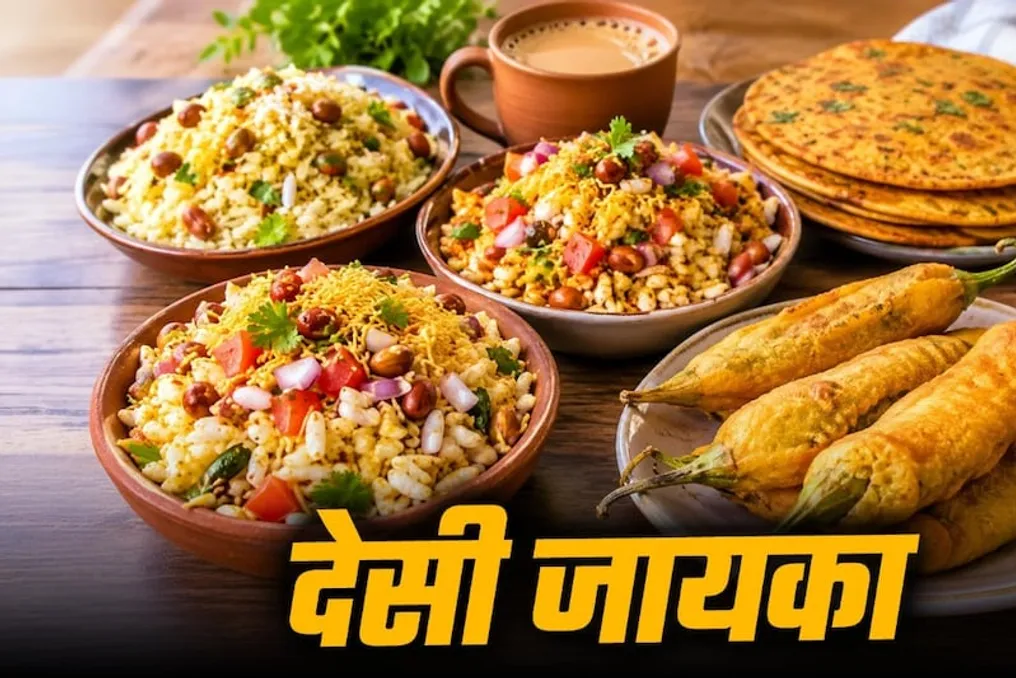
There are numerous traditional snacks across different states of India, known for their unique taste and preparation methods. Whether it is Bhujia from Bihar, Jhalmuri from Bengal, Bhel Puri from Maharashtra, or Mirchi Vada from Rajasthan, they all possess an exquisite flavor. The good news is that these snacks do not require much time to prepare, and they can be easily made from ingredients available at home. Let's learn about five famous traditional Indian snacks that are perfect for evening tea.

Bihar Snacks

In Bihar, Bhujia is very popular as an evening snack. It is made by mixing popcorn (murmure), chudhy, roasted peas, peanuts, and various spices. Adding onion, green chili, and mustard oil enhances its flavor. Preparation takes little time, and it pairs excellently with tea.

Jhalmuri from Bengal

Jhalmuri is a famous street food of Bengal. It is made from popcorn, finely chopped onions, tomatoes, cucumbers, green chilies, roasted peanuts, and spices. Adding mustard oil and lemon juice gives it a tangy taste. It is an excellent option for satisfying evening hunger.

Bhel Puri from Maharashtra

The mention of Bhel Puri from Maharashtra makes one's mouth water. It is made from popcorn, sev, boiled potatoes, onions, tomatoes, and a sweet and spicy dressing. Adding fresh coriander and lemon further enhances its taste. It can be prepared at home in just a few minutes.

Haakhra from Gujarat

Haakhra from Gujarat is a light and crunchy snack. It is made from wheat flour, fenugreek (methi), and spices. It is carefully baked over low heat until crispy. It can be eaten with tea or with a green chutney and pickled vegetables. It is also easy to make at home.

Mirchi Vada from Rajasthan

Mirchi Vada from Rajasthan is famous for its spicy and tangy flavor. It is made by stuffing large green chilies with a spicy potato filling, coating them in a mixture of gram flour (besan), and then deep-frying them. This snack, crispy on the outside and soft inside, is very popular with evening tea.

If you want to try something different with your evening tea, you can include these five traditional snacks in your list. They vary in taste and can be easily prepared at home.
Similar stories

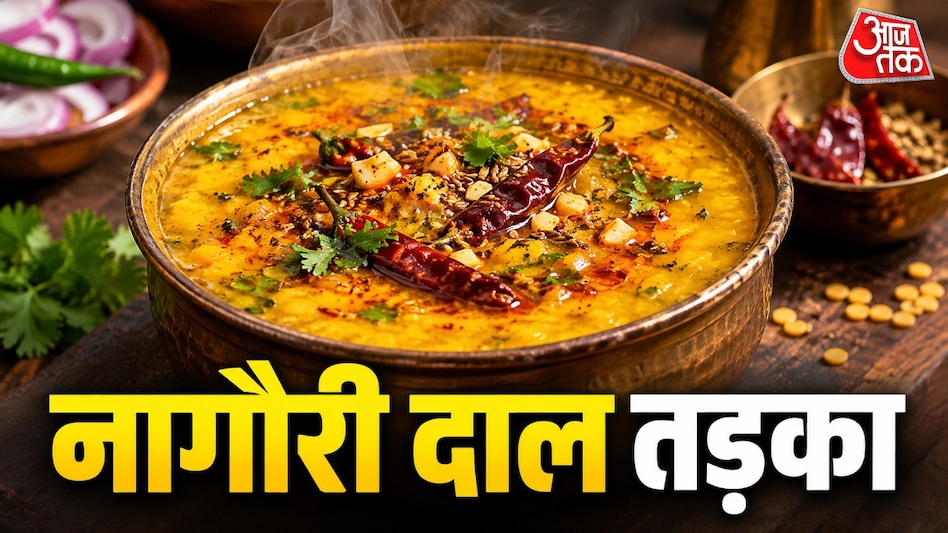
Nagauri Dal Tadka Recipe Revealed: Preparing Famous Rajasthani Lentils with Ghee and Spices
Read more
www.aajtak.in

Nagauri Dal Tadka Recipe Revealed: Preparing Famous Rajasthani Lentils with Ghee and Spices

If you are tired of monotonous dishes and want to try something new, you can prepare Rajasthani Nagauri Dal Tadka. This dish, made from masoor and arhar lentils, is known for its excellent taste. This article presents a simple instruction on how to cook this lentil dish.

Recipe for Rajasthani Nagauri Dal Tadka

Lentils are an integral part of Indian cuisine. Usually, at home, dal is prepared from arhar, moong, or masoor. However, if you wish to prepare a spicy dish similar to what is served in local cafes, you can try the famous Nagauri Dal Tadka from Rajasthan. Thanks to the use of clarified butter (desi ghee), cumin seeds, fennel, and aromatic spices, this dish turns out very tasty. Its preparation is quite simple, and it can be served hot with flatbreads (roti), paratha, or rice during lunch or dinner.

To begin, thoroughly wash the whole masoor and arhar beans. Then, soak them in water for three to four hours. After that, place both varieties of beans in a pressure cooker, add salt to taste and the required amount of water, and cook until five to six whistles (siti).

Next, pour clarified butter (desi ghee) into a pan and fry cumin seeds, fennel, and asafoetida in it for a few seconds. After this, add finely chopped tomatoes and cook until they soften. Then, mix in Degi red chili powder, whole red chilies, dried methi, and amchur powder, and mix everything well. The spices need to be slow-roasted for some time so that their full aroma is released.

After this, add the cooked lentils to the pan and mix well with the seasoned ingredients. If the lentils seem too thick, you can add a little hot water. Then, cover the pan with a lid and simmer on medium heat for eight to ten minutes. It is important to stir the lentils occasionally so that they do not stick to the bottom and so that the spices are evenly distributed.

When the lentils are ready, turn off the heat. The dish is garnished with finely chopped fresh coriander. The finished Rajasthani Nagauri Dal Tadka is ready to be served with roti, paratha, or rice.

Important Points to Consider

For the lentils to cook faster and better, they must be soaked beforehand for 3-4 hours. It is also essential to use clarified butter (desi ghee), as this enhances the taste and aroma. The spices need to be roasted over low heat to eliminate any raw taste and improve the flavor. After cooking, it is recommended to cover the dal for 5 minutes so that the spice aromas fully blend.

Recipe for Rajasthani Vegetable Mix with Turmeric and Ghee for Winter Season
Read more
www.aajtak.in

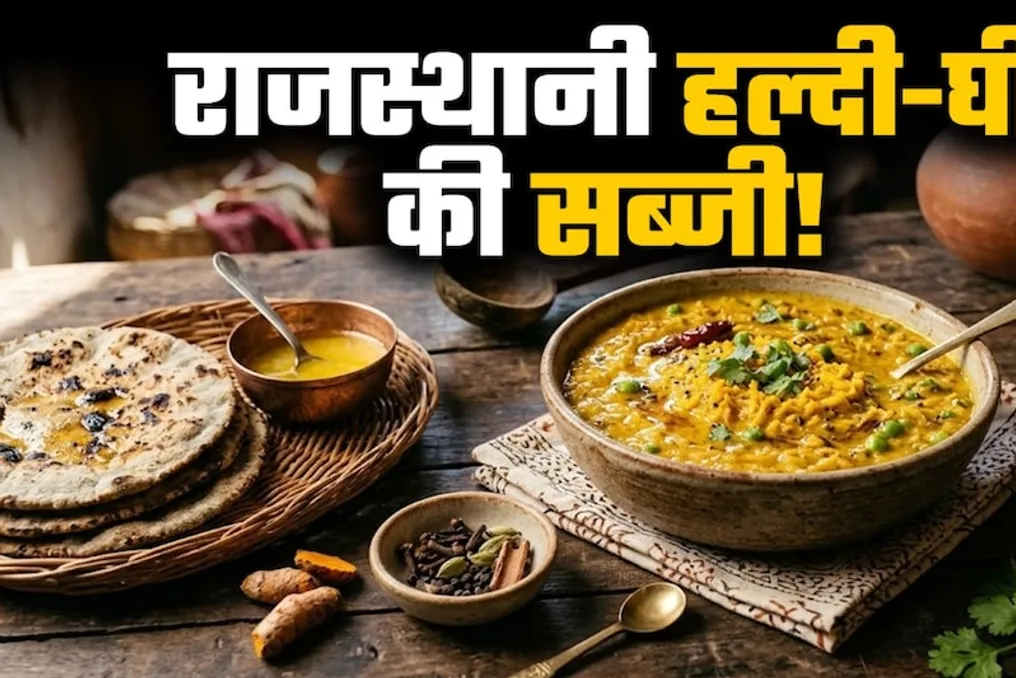
Recipe for Rajasthani Vegetable Mix with Turmeric and Ghee for Winter Season

Turmeric is a magical spice of Indian cuisine that gives dishes color and flavor. Furthermore, it is known for its medicinal properties. People usually use turmeric as a seasoning, but with the arrival of winter, fresh raw turmeric appears in the market.

It is known that in Rajasthan, a special type of dish made from raw turmeric is prepared, called Rajasthani Raw Turmeric Vegetable. This is a traditional and popular winter dish of Rajasthan, prepared specifically using ghee (desi ghee).

The specialty of this vegetable mix lies in its unique taste and traditional method of preparation. It includes raw turmeric, yogurt, spices, green chili, and ghee. In winter, it is eaten with bread, paratha, or bajra (millet) bread. If you want to cook something new and traditional this season, you can easily make Rajasthani Raw Turmeric Vegetable at home.

How to prepare Rajasthani Raw Turmeric Vegetable?

Certain ingredients are used to prepare the raw turmeric vegetable mix. After cooking is complete, add garam masala and mix thoroughly. When oil starts separating from the vegetable mix, turn off the gas. It is served hot with bajra, missi, or paratha.

Why is raw turmeric vegetable special in winter?

Raw turmeric contains a natural component called curcumin, which has antioxidant and anti-inflammatory properties. Turmeric has been used for a long time in Indian cuisine. Nevertheless, it should not be considered a cure for any diseases. This vegetable mix, prepared with ghee and spices, can become a traditional and tasty option for winter dishes.

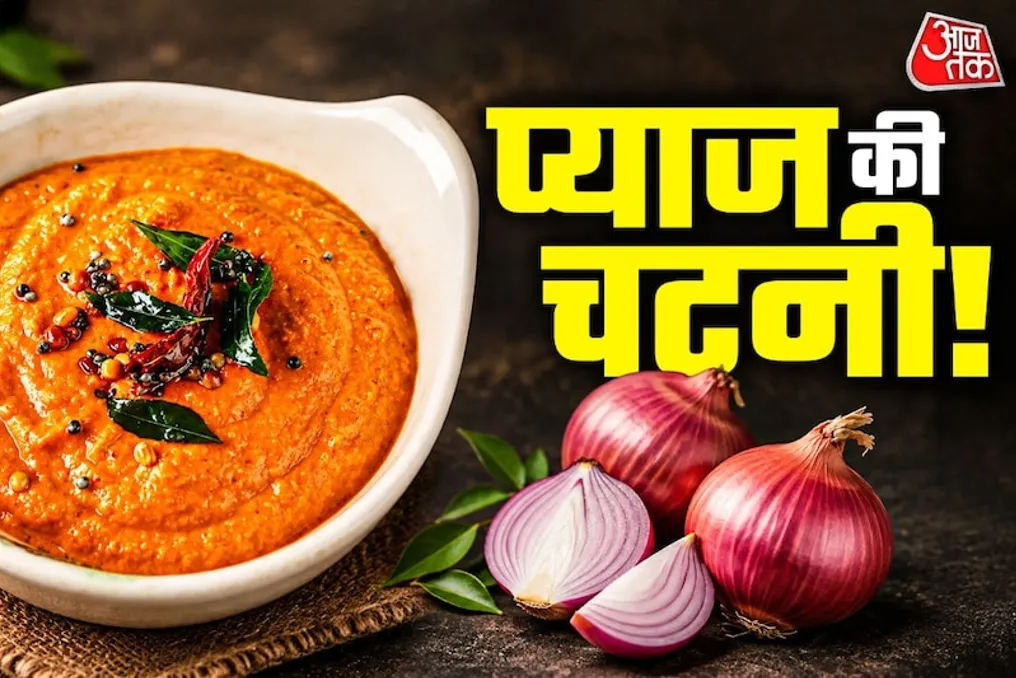
Pyaz Pachadi Recipe: How to Make South Indian Sauce in Just 10 Minutes
Read more
www.aajtak.in

Pyaz Pachadi Recipe: How to Make South Indian Sauce in Just 10 Minutes

After potatoes, onion is one of the most frequently used vegetables, and the dish is considered incomplete without it. In South India, there is a special recipe with onion that cooks quickly and has an exceptional taste. If you are tired of the simple combination of dal and rice, try serving everyone onion pachadi with it.

Onion pachadi, which is essentially an onion sauce, cooks very quickly. It is especially prepared in Andhra Pradesh, Telangana, Tamil Nadu, and Kerala. This sauce can be eaten not only with dal and rice but also with idli, dosa, and paratha. Below is a simple instruction on how to prepare this dish at home.

To prepare onion pachadi, several steps must be followed. First, one tablespoon of oil is heated in a pot, and then split lentils (chana dal) and urad dal are fried over low or medium heat until golden brown and fragrant.

Next, finely chopped ginger and garlic are added, followed by sliced onions, and they are sautéed for 2–3 minutes until the onions become soft and slightly golden. Then, dried red chili and ginger are added to the mixture and roasted for one minute. After this, the heat is turned off, and the mixture is allowed to cool completely.

The cooled mass is transferred to a blender jar, a little palm sugar and salt to taste are added. If necessary, a little water is added and blended into a puree or slightly coarse consistency.

For the final touch, a tadka is prepared: a little oil is heated in a small pan, mustard seeds are added, and as soon as they sizzle, urad dal, asafoetida, and curry leaves are fried. The ready tadka is poured over the sauce and mixed thoroughly.

Popular