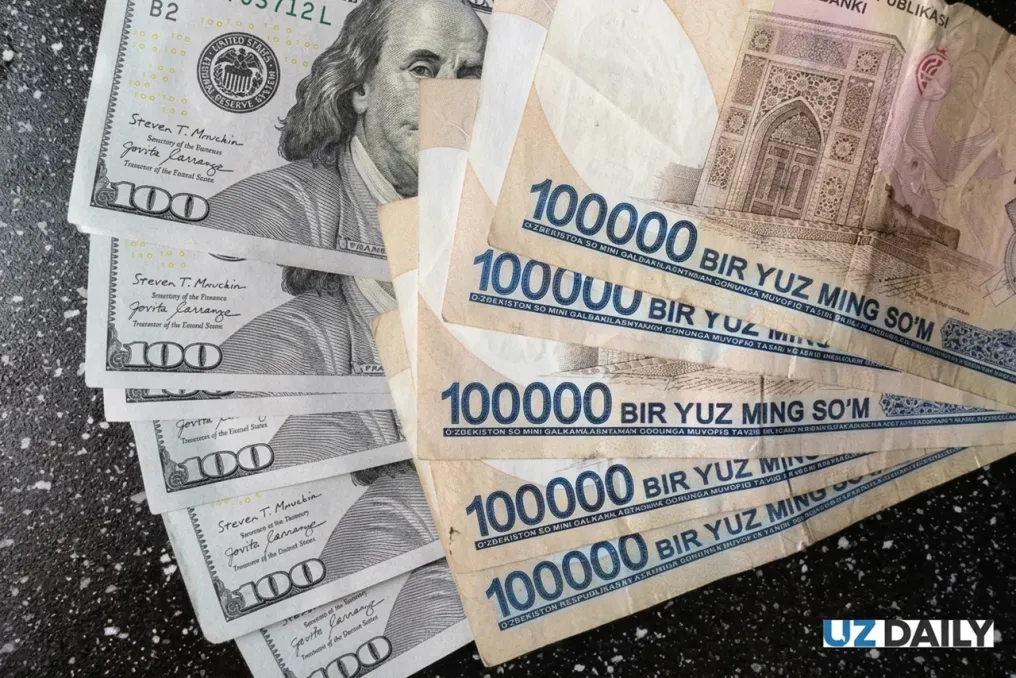
The International Monetary Fund (IMF) views pressure to expand targeted and subsidized lending as one of the internal risks to Uzbekistan's economy. The Fund plans to publish separate studies on interest rates and the practice of targeted lending in the country in 2027.
Koba Gvenetadze, the IMF representative in Uzbekistan, announced these plans during the presentation of the fund's regional economic forecast at the Central Bank.
When outlining risks to the economic forecast, Gvenetadze divided them into external and internal factors. External risks include global economic uncertainty, geopolitical events, and fluctuations in commodity prices.
Among the internal threats, he pointed to the possibility of procyclical increases in government spending when revenues exceed planned figures, including increased gold receipts. Additionally, he noted potential pressure related to the expansion of subsidized and targeted lending programs.
The IMF is preparing two analytical projects concerning Uzbekistan's economic policy. One will examine interest rates, while the other will focus on targeted lending. Gvenetadze stated that the results of both studies are scheduled to be released in 2027.
Targeted lending involves issuing loans under favorable conditions based on government decisions. Such loans may have interest rates that do not reflect the market value of borrowing. This circumstance can weaken the transmission mechanism of monetary policy, as the Central Bank's decisions on the key rate do not fully influence the cost of borrowing across the entire economy.
The IMF also noted that Uzbekistan continues to make efforts to strengthen the transmission of monetary policy. The Central Bank has kept its key rate at 14% since March 2025. The fund's regional report also emphasizes that relatively small and shallow credit markets, including Uzbekistan's, could amplify the impact of future external shocks on inflation.