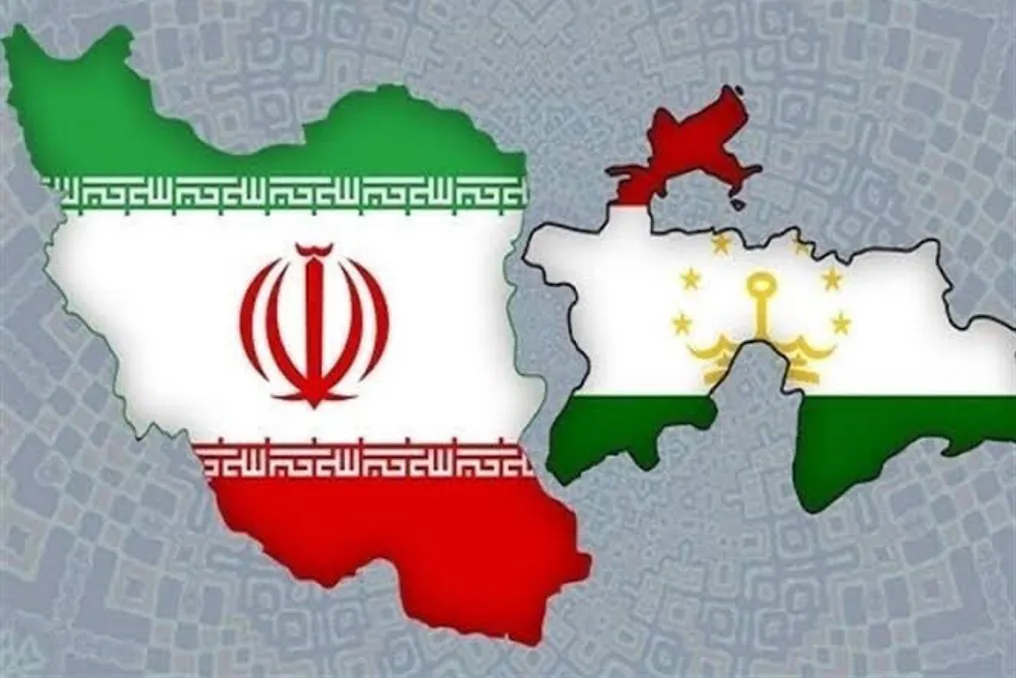
Trade between Iran and Tajikistan entered a new phase in 2026, marked by an increase in trade turnover, the conclusion of new agreements, and the abolition of visa regimes. Nevertheless, achieving the target of one billion US dollars in trade still depends on eliminating obstacles in the banking sector and transport barriers.
According to a reporter from Mehr News Agency, economic ties between Iran and Tajikistan have developed in recent years due to the intensification of political interaction, the signing of trade agreements, and efforts to develop cooperation in the fields of transport and energy. Trade statistics also indicate a growth in exchanges between the two states; however, Iran's share in the Tajik market and the total volume of bilateral trade remain significantly below the existing potential.
In recent months, consultations between the countries have focused on facilitating trade, developing transit routes, inter-provincial cooperation, and increasing exports. The implementation of new agreements and the elimination of banking and transport problems could form the basis for achieving the one billion dollar goal, the success of which depends on practical and continuous actions by both sides.
According to data published by Tajik institutions, the volume of the country's foreign trade with Iran increased from approximately $377.7 million in 2024 to about $483.9 million in 2025, representing a growth of almost 28 percent. Based on the same data, Tajikistan's exports to Iran in 2025 amounted to about $112.8 million, while imports from Iran were about $371.2 million. Thus, the structure of bilateral trade still favors Iranian exports, and Iranian products account for the majority of exchanges.
Statistics for 2026 also show an upward trend. The trade volume of the two countries reached $119.6 million in the first quarter of the year, which is 8 percent more than in the same period last year. In the first half of the year, this figure rose to $254.3 million, exceeding the sum for the first six months of 2025 by $32.8 million and 14.8 percent.
Iran's export portfolio to Tajikistan mainly includes industrial and petrochemical products, polymer raw materials, building materials, and food products. According to customs data of Tajikistan, reflected by the country's International Road Transport Association, in 2025, goods such as petrochemical products, polyethylene, polypropylene, Portland cement, clinker, and food products were imported into Tajikistan from Iran.
Conversely, Tajikistan's exports to Iran are largely based on raw materials and basic goods, including cotton fiber and yarn, as well as primary aluminum. This picture shows that trade between the two countries is still insufficiently diversified, and there is significant potential for expanding exchanges in mechanical engineering, industrial equipment, agricultural products and processing industry, medicine and medical equipment, as well as technical and engineering services.
According to Amir Fahrian, Iran's commercial advisor in Tajikistan, the country's foreign trade volume reached approximately $7.94 billion in the first seven months of 2026. During this period, Tajikistan's exports amounted to about $1.78 billion, while imports exceeded $6.16 billion. In the same period, Iran's exports to Tajikistan were reported at about $249.97 million, corresponding to approximately 4.1 percent of Tajikistan's total imports.
This share, along with the growth in bilateral trade, indicates that Iran has not yet been able to secure a larger position in the Tajik market proportionally to its industrial and export capabilities. Food and agricultural sectors, building materials, mechanical engineering and industrial equipment, mineral products, medicine, and technical and engineering services are areas where there is potential for increasing the presence of Iranian companies. However, developing exports in these sectors requires deep knowledge of standards, distribution networks, import regulations, and payment mechanisms in the target market.
Cooperation in the energy sector has become one of the key axes of economic negotiations between Tehran and Dushanbe. Within the framework of consultations between the two countries, the issue of oil product supplies and the expansion of energy partnership was discussed, as well as the possibility of increasing Iranian exports in this area.
According to published statistics, from January to September 2026, Tajikistan imported about 15,600 tons of oil and petroleum products from Iran worth $14.7 million. This data indicates the start of imports in this sector, although the current volume of exchanges remains limited.
Meanwhile, the figures cited regarding the possibility of supplying 2.55 million tons of petroleum products annually should not be considered final exports or executive contracts; rather, this figure is within the declared capacity and requests made during negotiations. Turning this capacity into real trade depends on executive agreements, transport infrastructure, and financial mechanisms.
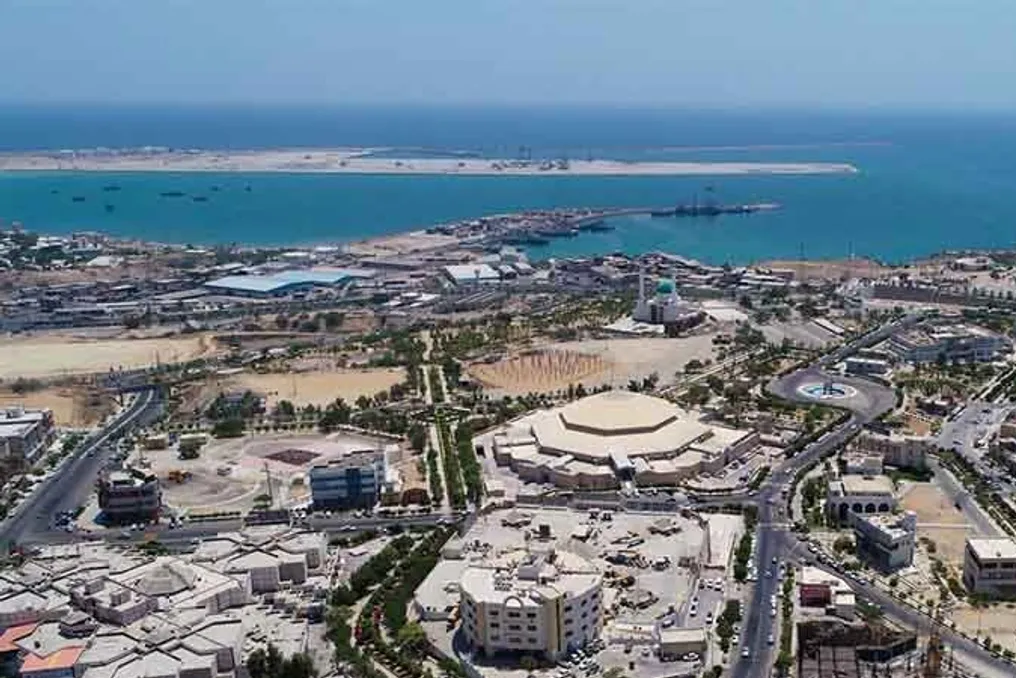
Thanks to access to open waters and its location on regional communication routes, Iran can play an important role in meeting Tajikistan's trade needs. Among the options considered to facilitate the transportation of goods between the two countries are the use of Chabahar Port and Bandar Abbas Port, as well as the potential of infrastructure such as Aprin dry port.
Developing transit routes from Iran to Afghanistan and Tajikistan, connecting these routes to regional transport networks, can reduce the cost and time of transporting goods. This is especially important for Tajikistan, which is a landlocked country.
However, issues related to transport costs, coordination of customs procedures, infrastructure limitations, and difficulties in financial operations remain obstacles to the development of cooperation. Resolving these issues could turn Iran's geographical advantage into a larger share of the Tajik market.
In recent years, both countries have sought to move economic cooperation from the level of negotiations to the level of implementation by increasing the number of formal agreements. In January 2025, 23 cooperation documents were signed between the parties, and 13 trade agreements worth $456 million were put on the agenda.
In April 2026, the 18th Joint Committee on Economic Cooperation between Iran and Tajikistan was held. The main areas of this meeting were the development of trade, transport, energy, and industrial cooperation.
In recent events, on October 23, following the visit of the Governor of Khorasan Razavi to Tajikistan, three documents on cooperation in the fields of free zone trade, common standards, and transportation guarantees were signed. Additionally, during meetings of officials from Khorasan Razavi and Khatlon provinces, ways to strengthen economic and trade interaction were studied.
The development of provincial cooperation can open a new path for a more active participation of the private sector in the Tajik market. The geographical proximity and production and export capacities of Iran's eastern provinces, especially Razavi-Khorasan, provided a suitable opportunity to expand these relations.
The full implementation of the visa waiver for holders of ordinary passports from Iran and Tajikistan starting from October 5, 2026, is one of the important steps to promote communication between the two countries. Under this agreement, citizens of both countries can stay in the other country without a visa for up to 30 days within every 90 days.
This measure can promote the movement of economic actors, traders, tourists, and investors, and increase the basis for direct communication between companies and private sector representatives.
Furthermore, the visit of Mohammad Reza Aref, First Vice President of Iran, to Dushanbe to participate in the Shanghai Cooperation Organisation meeting and meet with Tajik President Emomali Rahmon provided an opportunity to study economic cooperation between the two countries. During these meetings, topics such as trade, energy, transport, industry, agriculture, and joint production were discussed.
Following up on these consultations, the Ambassador of Tajikistan in Tehran also met with the Director General for Central Asia of the Iranian Ministry of Foreign Affairs. At this meeting, the expansion of political, economic, trade, and cultural ties between the two countries was discussed.
Achieving the goal of increasing Iran-Tajikistan trade volume to one billion dollars is a task that has been raised in the negotiations and economic plans of both countries in recent years. Realizing this goal, in addition to increasing the number of formal agreements, requires eliminating existing obstacles to the activities of Iranian and Tajik traders and companies.
Problems with money transfers, banking restrictions, transport costs, customs procedures, and the lack of direct and continuous communication between economic entities are some of the challenges that may slow down the process of trade development. On the other hand, insufficient awareness of market potential and difficulties for small and medium-sized enterprises in accessing trading partners also hinder the full utilization of existing opportunities.
Under these conditions, supporting cooperation between chambers of commerce, creating reliable financial mechanisms, developing transport, and monitoring the fulfillment of signed agreements are particularly important. Ultimately, sustainable growth in Iran-Tajikistan trade will be achieved not by increasing the number of cooperation documents, but by turning agreements into executive contracts, increasing actual exchanges, and ensuring the constant presence of the private sector.