Cement production in Iran grew by 7%, exports to Afghanistan increased
Read more
Tehran Times
www.tehrantimes.com

Cement production in Iran grew by 7%, exports to Afghanistan increased

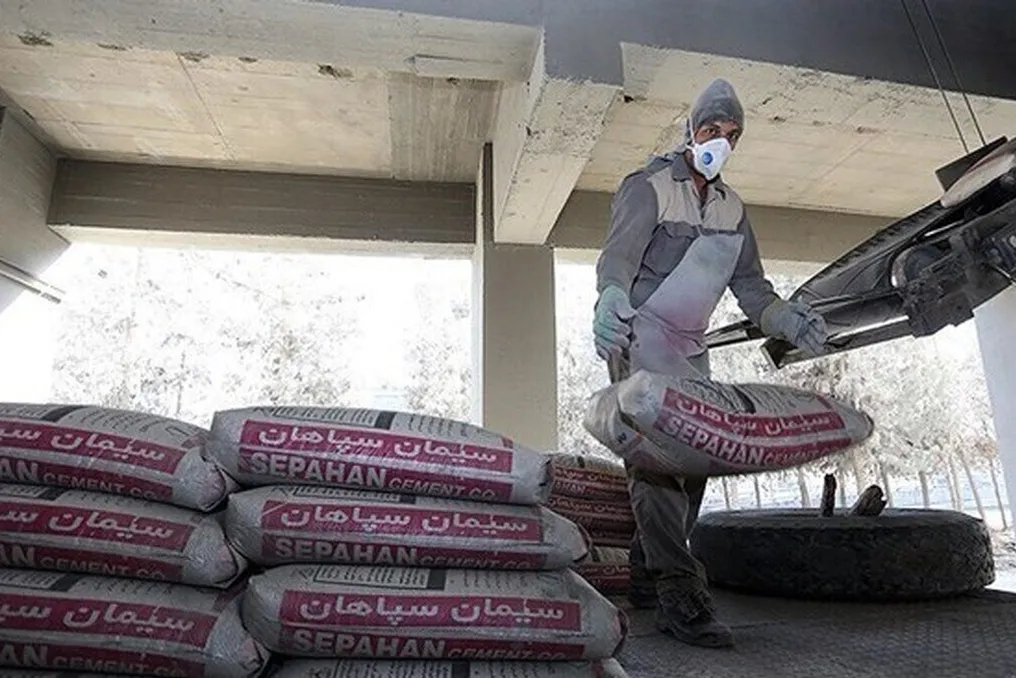
According to a statement from the Secretary of the Cement Industry Association, cement production in Iran increased by seven percent during the first seven months of the current Iranian year (from late March to late September), reaching a volume of 40.4 million tons. Meanwhile, exports to Afghanistan and via northern routes rose by approximately 15 percent, partially offsetting the sharp decline in supplies through southern border crossings.

Ali-Akbar Alvandian told ISNA agency that cement production grew by 2.6 million tons compared to 37.9 million tons in the same period last year, which was driven by increased domestic demand.

However, clinker production decreased by 11 percent, amounting to 38.9 million tons compared to 43.8 million tons the previous year, representing a drop of 4.8 million tons. Alvandian noted that exports through the country's southern borders fell by 67 percent year-on-year.

Serious supply problems through southern points and into Iraq were caused by economic conditions, a reduction in import permits issued by Iraq, and restrictions affecting southern border crossings.

Despite this, exports to markets such as Afghanistan and via northern directions increased by approximately 15 percent compared to the same period last year, partially compensating for the fall in clinker exports. Nevertheless, the total export volume decreased by 29 percent year-on-year.

Alvandian added that improved coordination regarding quotas and electricity consumption allowed producers to expand output volumes. Production conditions improved in November, giving factories the opportunity to prepare for the coming months.

Regarding planned gas restrictions in December and the last quarter of the year, he reported that a schedule and corresponding instructions had been issued, and gas consumption by cement producers was reduced almost to zero since last week. Gas remains available only for white cement producers, who constitute a small share of the industry's total volume; the rest of the sector will use fuel oil.

The Association is consulting with the Ministries of Oil, Energy and Industry, as well as Mining and Trade, to coordinate measures and prevent production disruptions. The goal is to minimize damage and restrictions imposed during the cold season compared to the difficulties encountered last summer, and to ensure sufficient cement supply for domestic demand.
Similar stories

Uzbekistan's trade turnover with Persian Gulf countries has increased almost sevenfold over five years
Read more
podrobno.uz

Uzbekistan's trade turnover with Persian Gulf countries has increased almost sevenfold over five years

The trade volume between Uzbekistan and the Persian Gulf countries has increased by almost sevenfold over the past five years, reaching $1.75 billion. Concurrently, investments from the region's states in the Uzbek economy have exceeded $11 billion. The majority of these new investments are directed towards the energy sector, specifically projects for creating solar and wind power plants.

This data was provided by the Eurasian Development Bank (EDB). According to the bank, Uzbekistan has become the largest trading partner for the Persian Gulf countries in Central Asia, accounting for approximately 45% of the total trade between the two regions.

In 2025, exports of Uzbek goods to the Gulf countries reached $860 million, while imports amounted to $890 million, indicating relatively balanced trade relations. Uzbekistan's exports are based on precious metals, mineral products, and agricultural products. In turn, Uzbekistan purchases aviation equipment, electronics, machinery and equipment, as well as pharmaceutical and chemical products from the Gulf countries.

Significant growth has also been demonstrated in investments. EDB monitoring shows that direct investments from the Gulf countries in Uzbekistan rose from $400 million in 2020 to $11.3 billion by mid-2026, an increase of more than 25 times. Thanks to this indicator, the republic has become one of the fastest-growing recipients of investment in Central Asia, second only to Turkmenistan in total volume.

The United Arab Emirates remains the leading investor among the Gulf states. Uzbekistan attracts a dominant share of investments from Saudi Arabia, receiving over 95% of Saudi Arabia's investment portfolio in the region. ACWA Power is actively involved in implementing these projects.

The EDB also noted the transformation of the investment structure: the share of electricity in the total volume of investments from Gulf countries in Central Asia grew from 2% in 2020 to 34% by mid-2026, reaching $10.5 billion. Among the major energy projects in Uzbekistan are the 500 MW wind power plant in Zarafshan and the Sherabad solar plant in Surkhandarya region, as well as other initiatives for solar and wind generation.

The development of economic ties is accompanied by the improvement of logistics infrastructure. In October 2026, the Emirati company DP World began construction of a dry port near Tashkent, which will include warehouses and container yards for cargo handling.

Overall, the trade turnover of five Central Asian countries (UAE, Saudi Arabia, Qatar, Oman, Kuwait, and Bahrain) with six Persian Gulf states increased from $1 billion in 2020 to $3.9 billion in 2025. The EDB forecasts that by 2030, the trade potential between the regions could reach $4.9 billion. However, the bank points to several obstacles slowing this growth, including high transport costs, lack of warehouse infrastructure, and difficulties with mutual standard recognition.

Previously, the EDB conducted a study of the Central Asian power system and warned about the possibility of forced reduction in the output of solar and wind power plants in Uzbekistan due to grid limitations. It is estimated that by 2028, the volume of lost electricity could amount to 3.5 billion kilowatt-hours.

Civil construction volume in Uzbekistan grew by 29.3% in January-September 2026
Read more
uzdaily.uz

Civil construction volume in Uzbekistan grew by 29.3% in January-September 2026

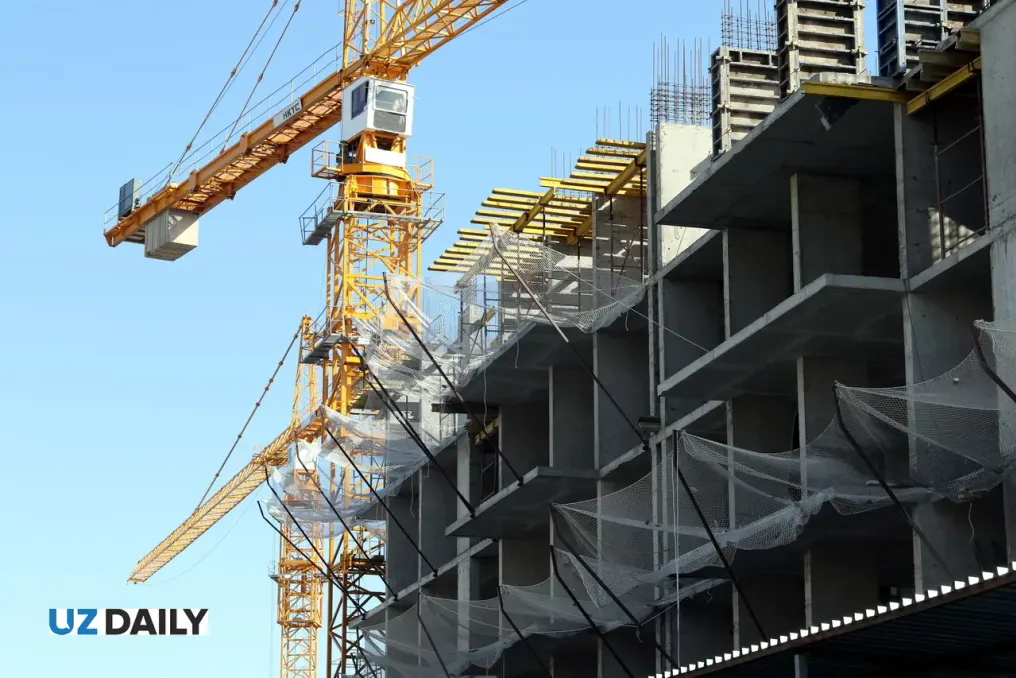
According to the National Statistical Committee data, the volume of construction work on civil engineering projects in Uzbekistan for the period from January to September 2026 amounted to 63.8 trillion soms.

This figure demonstrates a growth of 29.3% compared to the same period last year. The largest volume of work was recorded in Tashkent, where it reached 16.1 trillion soms.

Samarkand region took second place in terms of work volume with an indicator of 8.8 trillion soms, while Tashkent region showed activity amounting to 7.9 trillion soms.

Construction work in Fergana region amounted to 4.5 trillion soms, whereas Bukhara region registered 4.1 trillion soms, and Kashkadarya region registered 3.1 trillion soms.

Following in terms of work volume were Navoi region with 2.9 trillion soms, Khorezm region with 2.8 trillion soms, Surkhandarya region with 2.7 trillion soms, and Syrdarya region with 2.5 trillion soms.

Karakalpakstan, Andijan region, and Namangan region reported a figure of 2.2 trillion soms each, while Jizzakh region reported 1.9 trillion soms.

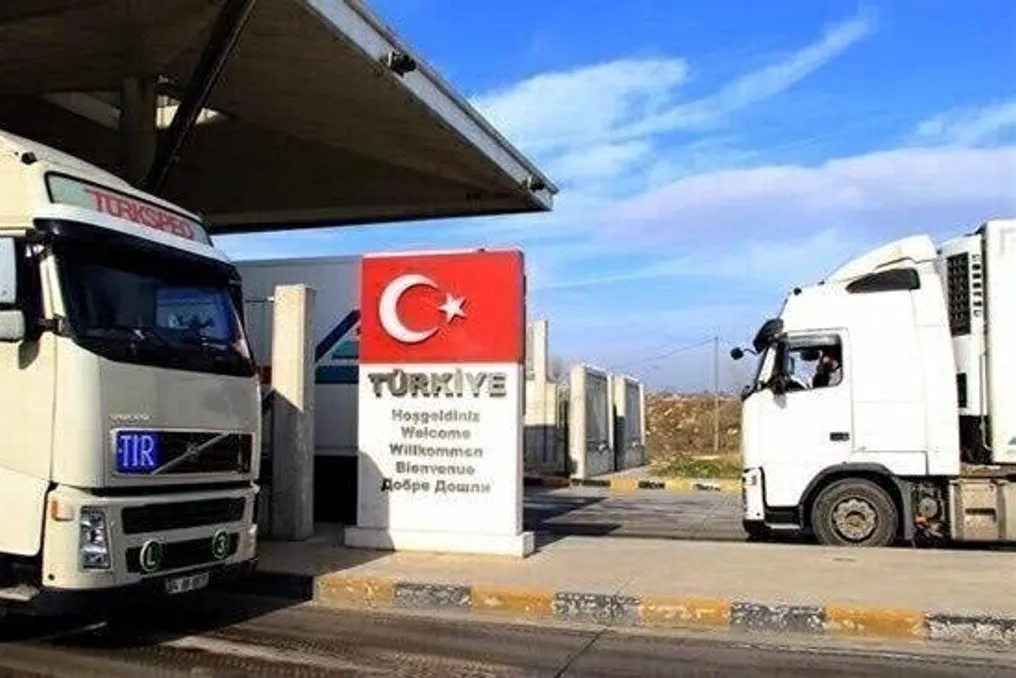
Iran's Exports to Turkey Increased by 59% in the First Half of the Year
Read more
www.tehrantimes.com

Iran's Exports to Turkey Increased by 59% in the First Half of the Year

The Director of the General Directorate of the Middle East and Africa Department of the Iranian Trade Promotion Organization reported a significant increase in Iran's exports to Turkey. This growth amounted to 59% over the first six months of the current Iranian calendar year (from March 21 to September 21) compared to the same period last year.

Iran's Exports to Turkey Grew by 59% in the First Half of the Year

According to a report prepared by the Public Relations Department of the Iranian Trade Promotion Organization, Abdolamir Rabihavi noted that despite the prevailing conditions in the West Asian region, Iran's trade trend with some countries in this region, including Turkey, remains positive. This trend is evident in the export statistics for the first half of the current year.

Rabihavi commented on trade between Iran and Turkey, stating that during the first six months of 1405, Iran's exports to Turkey showed an increase of 59%. The export volume grew from 2 billion dollars and 756 million dollars to 4 billion dollars and 373 million dollars.

He also mentioned the development of the country's trade routes and borders, noting that in recent months, despite some difficulties in southern waterways, partial restrictions on land routes have been lifted, allowing for increased utilization of land border capacity.

Rabihavi expressed hope that if the positive dynamic of exports to regional countries continues in the second half of the year, Iran will achieve further growth in trade relations with the states of this region.

Popular