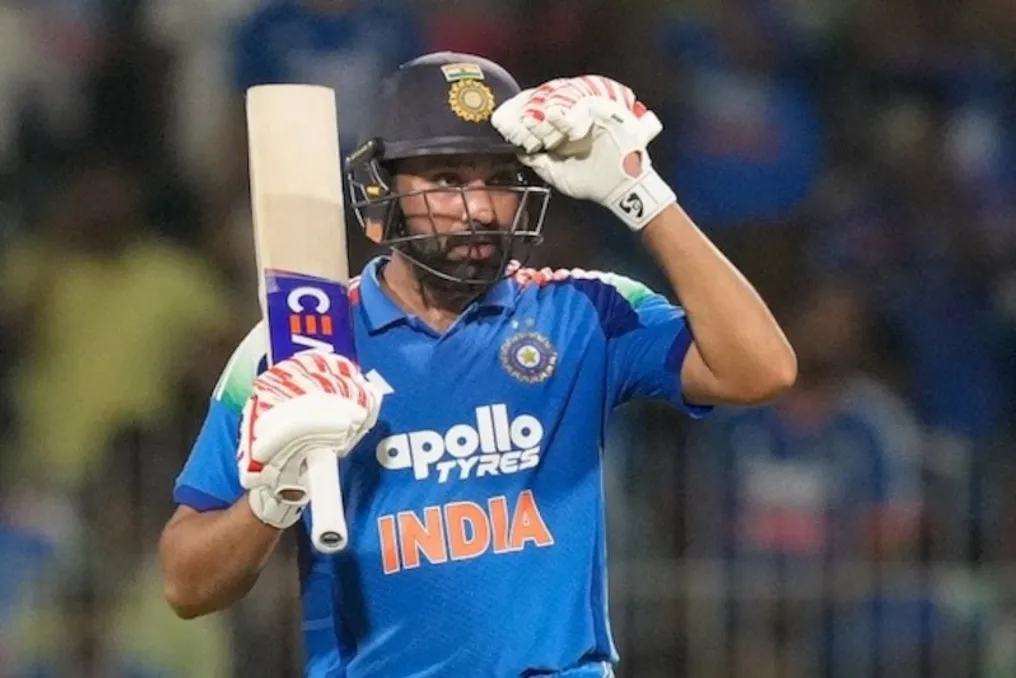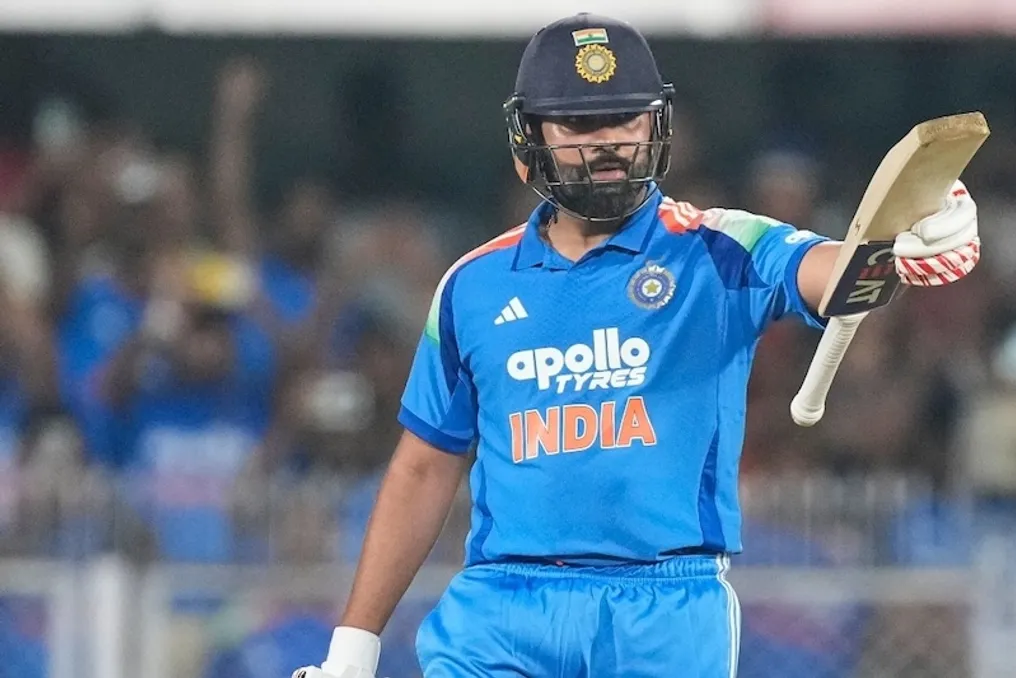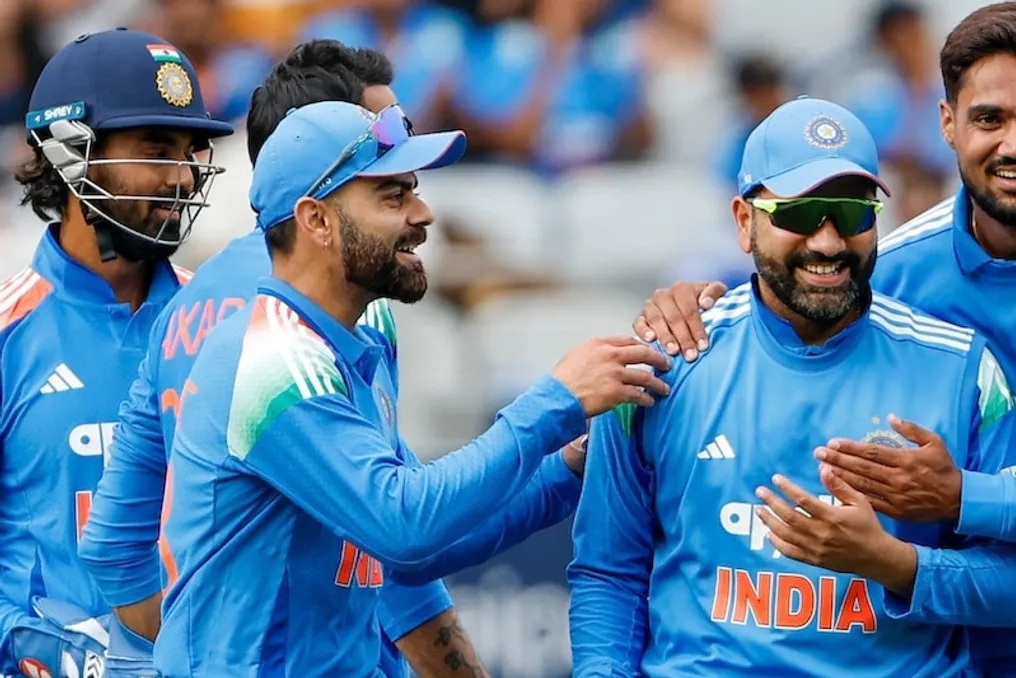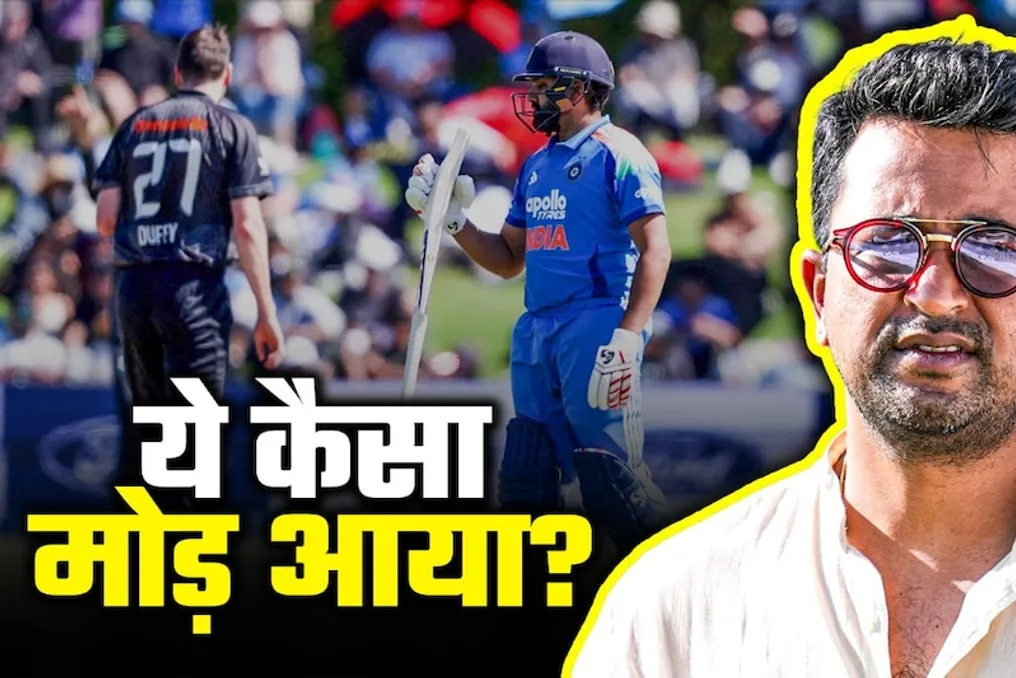
Questions regarding Rohit Sharma's future in Indian cricket have resurfaced. After managing to score only 30 runs across four matches in New Zealand under difficult conditions, he has become a serious concern for selectors. Interestingly, the decision about his future career now rests with someone who was once a close friend of his—Prajan Ojha, who has become the new head selector for the Indian team.
The friendship between Rohit and Ojha began during junior cricket and strengthened during training camps at the National Cricket Academy (NCA). However, circumstances have brought them to a point where the responsibility for the future of Indian cricket outweighs their friendship. Ojha must decide if Rohit's desire to play is sufficient to secure him a spot in the squad for the One Day International World Cup in South Africa next year.
Rohit remains determined to continue playing and dreams of participating in the 2027 World Cup. Nevertheless, the tour of New Zealand once again exposed his weaknesses. He appeared uncertain when facing bounce and movement off the seam. Thus, the question for the selectors is not just about the 30 runs, but whether Rohit can be useful to the team in conditions similar to those in South Africa a year later.
Discussions about Rohit's future had taken place previously among selectors. Before this year's ODI series against England, Pradjan Ojha met with Rohit on behalf of the then-head selector Ajit Agarkar. The purpose of this conversation was to ascertain whether Rohit was willing to give up ODI cricket already at Lord's.
However, Rohit was not satisfied with this proposal and expressed dissatisfaction with those managing Indian cricket. This led to tension between Agarkar and Rohit. Despite winning the Trophies Cup, Agarkar dropped Rohit from the ODI captaincy. This decision also affected their personal friendship.
Now, following Agarkar's departure, the leadership of the selection committee has passed to Ojha. That is, the responsibility for making such complex decisions, which he previously handled as a representative of Agarkar, now lies directly with him. He needs to decide how much weight to give to Rohit's experience and desire to play versus the needs of the next World Cup.
The weakness of the Indian batting lineup in the series against New Zealand was not limited to Rohit alone. The team repeatedly faced the problem of an early collapse of the top order. Head coach Gautam Gambhir also expressed concern about this, without naming any players. Although India managed to win the series 3-1 thanks to strong bowling, the batting deficiencies cannot be ignored.
Before the World Cup, India is scheduled to play six ODIs on home grounds. After these matches against Sri Lanka and Zimbabwe, the team will enter an international ODI break of approximately six months. Then, preparation for the World Cup will enter its decisive phase. In this regard, the home series is extremely important for Rohit.
At home grounds against Sri Lanka and Zimbabwe, big performances are expected from Rohit. However, the real test awaits him in South African conditions. The runs scored against West Indies held little significance after arriving in New Zealand, as the conditions there were completely different.
Rohit is concerned that in New Zealand, he was not just fighting for runs, but also lost naturalness in his game. Both the bounce and the movement off the seam worried him. His technique against bounce had also been questioned previously. If it were only the movement off the seam, he might find rhythm by playing cautiously in the powerplay. But in New Zealand, bowlers benefited from both the bounce and the movement.
It seemed that Rohit still wanted to play cricket, but his body and reflexes were not fully supporting him. This could be the biggest worry for the selectors. There is about a year until the World Cup. They will have to assess whether Rohit can regain his former form in this period.
Rohit has the option of playing domestic cricket to prove his form and physical fitness—he can participate in the Vijay Hazare Trophy. However, participation only in a domestic ODI tournament will not solve his problems. Even a century scored by him will not prove whether he can succeed on fast and bouncy pitches in South Africa.
The participation of a major international player in a national ODI championship is good, but selectors need to evaluate not only presence but also the quality of play and the ability to play according to the conditions.
Another issue concerns Rohit's practice. After the tour of New Zealand, he will have a break of about three months, after which...
3.