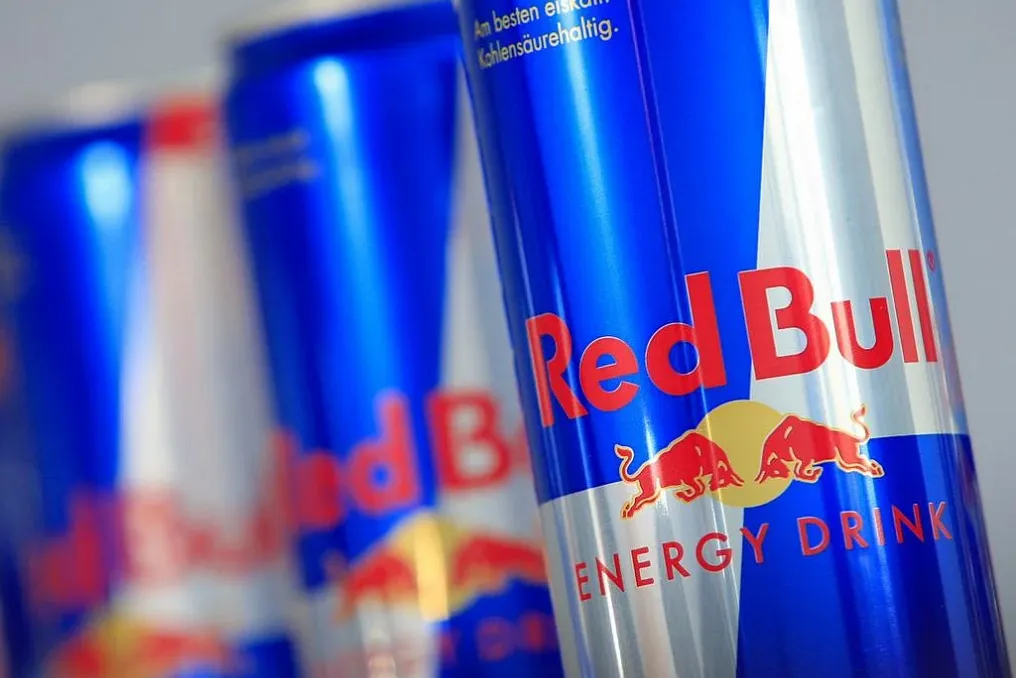
Indian regulators have begun closely examining the composition of the Red Bull beverage, produced by the Austrian company, as an official notification suggests that the 'energy drink' labeling may encourage consumers to consume too much added sugar. This marks a new direction in the regulator's fight for adherence to food safety standards.
This is the first instance where India has expressed health concerns and questioned the ingredients of its energy drinks. The dispute began in June and led to legal proceedings in the Delhi High Court.
In a confidential notice addressed to Red Bull on Monday, the Food Safety and Standards Authority of India (FSSAI) focused on the drink's 'food composition.' The Authority noted that a significant portion of the claimed energy comes from a 'substantial' amount of added sugar.
FSSAI stated in a document reviewed by Reuters that 'the basis and nature of the product positioning related to energy require scientific and regulatory justification.' The notice gives Red Bull seven days to explain why India should not prohibit the use of the 'energy drink' label, given its 'potential to mislead consumers and encourage excessive consumption of added sugar.'
Red Bull and FSSAI did not immediately respond to Reuters' requests for comment.
According to Euromonitor, the energy drink market in India is projected to reach a value of $1.6 billion by 2028, with an annual sales growth rate of 12.6 percent, which is faster than in the US and China. Red Bull's revenue in India in 2024 was $130 million, more than double the revenue recorded four years ago.
Health experts are concerned about the high content of sugar, caffeine, and taurine in energy drinks, an amino acid that studies suggest may contribute to health problems. In England, these drinks will be banned for individuals under 16 starting next April.
In recent weeks, in court, Red Bull, PepsiCo, Monster Beverage, and Reliance Consumer contested the June order banning the 'energy drinks' label, arguing that they were not provided with prior notice of such strict measures. Although Red Bull managed to secure a temporary injunction allowing it to continue using this label, competitors were informed that they must cease its use after selling their existing stock.
The regulator asked the Delhi judge to reconsider Red Bull's decision, as per its October submission to the court, it grants the company an 'unjustified commercial advantage' over its rivals. This hearing is scheduled for January.
In its latest notice, FSSAI pointed out that the Red Bull drink contains a consumption recommendation stating that the product should not be consumed in quantities exceeding 500 milliliters per day. The regulator believes this may mislead consumers regarding the permissibility of such consumption volume.
The Authority clarified: 'With a declared sugar concentration of 11 g per 100 ml, consuming 500 ml of the product would result in the intake of approximately 55 g of sugar, which exceeds the generally accepted daily limit of 50 g.'
This notice coincides with the regulator intensifying food safety inspections across the country, during which labeling claims on food and beverages, as well as hygiene in restaurant chains, are being checked.