National Cancer Institute plans to become a nanoncology center in the Islamic world
Read more
Tehran Times
www.tehrantimes.com

National Cancer Institute plans to become a nanoncology center in the Islamic world

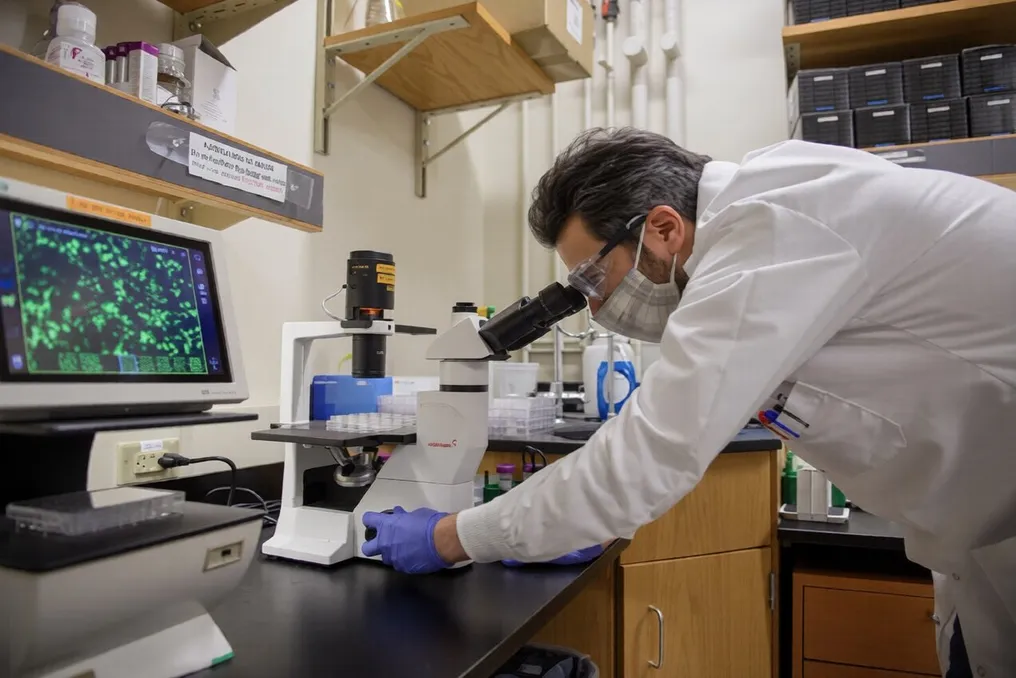
The National Cancer Institute, affiliated with the Academic Center for Education, Culture, and Research (ACECR), aims to establish a unified international structure. This structure is intended to unite the research, technological, clinical, educational, and economic potential of Islamic countries in the field of nanomedicine and cancer control, transforming it into a leading reference point in nanoncology within the Islamic world.

Zahra Sheikhi, Deputy of ACECR for Research and Technology, noted that one of the main objectives of the initiative is to create a center of innovation in nanoncology for Islamic countries. This center will be established in collaboration with the National Cancer Research Institute and a network of nanotechnology.

According to a statement from the ACECR website dated November 10, the institute officially joined the Inter-Islamic Network on Nanotechnology (INN) in November, paving the way for expanding scientific, research, and technological cooperation with 57 member states of this network.

The center will be responsible for guiding research projects, supporting technological developments, and conducting clinical trials in the field of nanomedicine.

Creating a Consortium and Developing Technologies

Sheikhi also added that there are plans to form a research consortium focused on anti-cancer nanomedicines. This consortium will rely on universities and research centers from member countries such as Turkey, Malaysia, Pakistan, and Egypt, under the scientific guidance of the National Cancer Research Institute.

Furthermore, the initiative includes launching an observatory for technologies and patents in the fight against cancer in the Islamic world. It also plans to create a common database for identifying and exchanging information on technologies, inventions, new compounds, and nanotechnology-based targeted therapy, which could promote the development of scientific capabilities of participating countries.

The initiative is also aimed at expanding sales markets for nanotechnology products manufactured by the institute in Islamic countries. These products include drug nanocarriers, nano-curcumin, peptides, nanotechnology-based diagnostic kits, nanosensors, and targeted drug delivery systems.

According to an official representative, several conditions are necessary to implement the initiative, including establishing a joint venture fund (VC) with the participation of foreign investors and philanthropists in the healthcare sector, especially from North African and Persian Gulf countries. Other key requirements include participation in international events, creating platforms for technology commercialization, strengthening research cooperation, developing joint scientific potential, establishing an International Academy of Nanomedicine and Cancer, developing an international accreditation system for nanoncology products, and enhancing medical diplomacy in the Islamic world.

Achievements in Improving Public Health

According to the October 2025 report, Motamed Cancer Institute, which has upgraded its status to Iranian National Cancer Institute, continues to achieve significant success in improving public health and well-being.

Ramin Sarrami-Foroushani, President of Motamed Cancer Institute, affiliated with ACECR, announced the elevation of the center's status to 'Iranian National Cancer Institute', calling it an important step in improving public health. He emphasized that ACECR, fulfilling its mission to address national problems and utilize scientific and technological potential, continues to make significant progress toward improving public health.

In this regard, a press conference was held on October 13th regarding Breast Cancer Awareness Month (October), where the Seventh National Campaign for Screening Common Cancers in Women was announced.

Sarrami-Foroushani reported that the center was officially elevated to the status of Iranian National Cancer Institute with the support of the ACECR Board of Directors, Central Headquarters, and Vice President for Research and Technology. He explained that under the umbrella of the National Cancer Research Institute, three specialized research centers will operate: the Research Institute of Regenerative Medicine and Advanced Cancer Treatment Methods, the Research Institute of Converging Technologies in Oncology, and the Research Institute of Personalized Medicine and Quality of Life, which collectively comprise about 10 research departments.

Sarrami-Foroushani added that this major achievement is the result of three decades of dedicated efforts by ACECR scientists and researchers, expressing hope that with continuous support from state bodies, the institute will become a leading national center for developing innovative cancer technologies.

In other remarks, Sarrami-Foroushani announced the start of construction of a 15-story tower for cancer innovation and advanced therapy ecosystem in Tehran. He specified that the project was initiated with strong support from Parliament, particularly the Health Commission, as well as the Organization for Planning and Budget and the Vice Presidency for Science, Technology, and Knowledge-Based Economy. Part of the funding has already been secured, and the upper floors of the tower will be allocated for the production of innovative technologies for advanced cancer treatment.

He specifically noted that maintaining the cultural identity of ACECR alongside technological development remains a key value of the institute. Adding: 'By focusing on innovation, we continue to integrate cultural principles into all our scientific and health-related initiatives—this is a distinguishing feature of the ACECR approach at Motamed Cancer Institute.'
Similar stories

Iran proposes creating Avicenna Consortium with Tajikistan and Afghanistan
Read more
www.tehrantimes.com

Iran proposes creating Avicenna Consortium with Tajikistan and Afghanistan

The Iranian headquarters dedicated to the development of traditional medicine and medicinal herbs has proposed establishing a trilateral consortium named Abu Ali Sina (Avicenna). This consortium will be created in cooperation with Tajikistan and Afghanistan to stimulate scientific, technical, and innovative interaction in the field of healthcare.

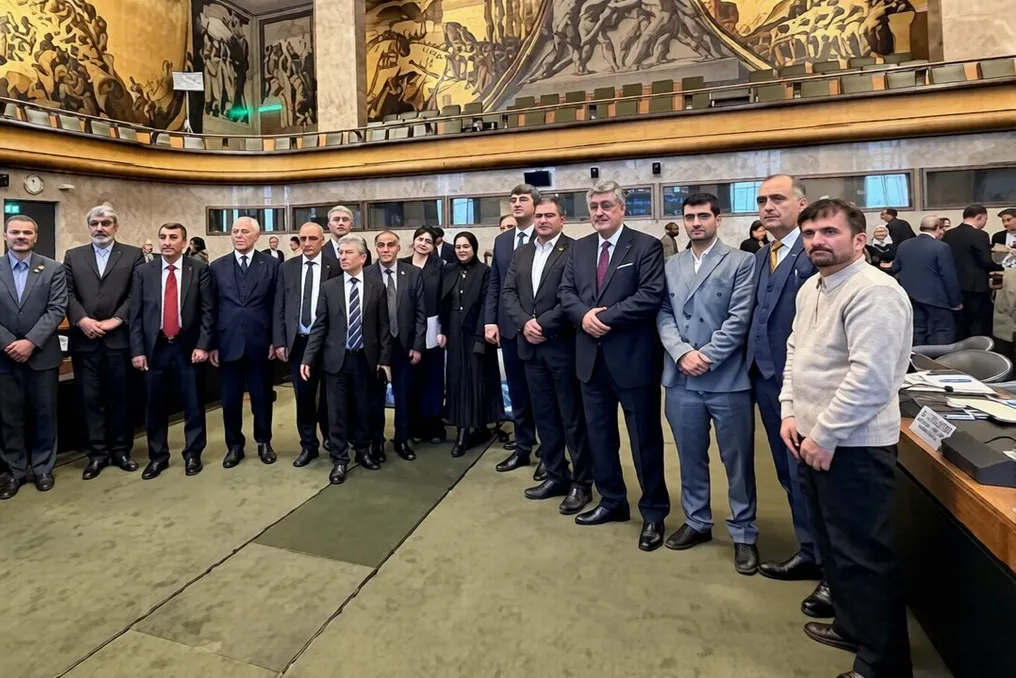
Hossein Rezaizadeh, head of this headquarters, emphasized the necessity of utilizing Avicenna's scientific and pharmacological heritage to expand regional scientific and technical cooperation, citing the common scientific, cultural, and historical opportunities of the three countries. He made these statements during the International Scientific Conference titled 'Abu Ali Sina and His Contribution to Shaping a New Scientific Worldview,' which took place in Geneva at the Palais des Nations on November 12.

The initiative aims to lay the foundation for targeted regional cooperation in healthcare, transforming shared scientific and historical ties into technological achievements. This will be achieved by leveraging the potential of universities, research centers, and knowledge-based companies in Iran, Tajikistan, and Afghanistan.

Key areas of the proposal include expanding joint research, documenting and re-examining medical and pharmacological sources, standardizing natural products, and strengthening cooperation in utilizing the potential of medicinal plants.

The proposed 'Avicenna Consortium for Science, Health, and Innovation' could serve as a common platform for organizing the scientific capabilities of the three nations, developing joint projects and programs in the healthcare sector, especially in traditional medicine, medicinal plants, and pharmacological heritage.

To implement this proposal, Rezaizadeh suggested forming a working group that would develop a three-year action plan to clarify priorities, the course of cooperation, and the implementation of a flagship joint project in the field of medicinal plants and pharmacological heritage.

The International Scientific Conference gathered representatives from diplomatic corps, international organizations, academic and research institutions, as well as distinguished scientists and researchers. Participants discussed Avicenna's significant contribution to the development of world science and philosophy, the importance of his scientific and intellectual legacy, and the role of his humanistic ideas in promoting dialogue between East and West.

Special attention was paid to preserving, studying, digitizing, and promoting Ibn Sina's scientific heritage, strengthening international scientific cooperation, and advancing the universal values of knowledge, enlightenment, rational inquiry, and intercultural understanding.

Addressing the event, the Iranian Ambassador and Permanent Representative to Geneva, Ali Bahreini, stated: 'Today the world is fighting against egocentrism, extremism, and division, and needs wisdom, scientific curiosity, and freedom from prejudice more than ever.' He noted that Avicenna, drawing upon Persian, Greek, and Indian intellectual traditions, opened new horizons in understanding humanity and the world. Bahreini added that his greatness lies not only in his scientific achievements but also in his open mind, intellectual humility, and commitment to truth and humanity. He concluded: 'Avicenna belongs to all ages. He is a bridge between East and West and a reminder that the highest form of power is the power of thought put into service of humanity.'

Persian Medicine

Persian medicine, one of the oldest systems of traditional medicine in the world, has a long history of scholarship associated with prominent physicians such as Razi and Avicenna. Its traditional structure places great emphasis on maintaining health, preventing diseases, and adopting appropriate lifestyles.

According to data previously published by the Ministry of Health, the country ranks third globally in the number of registered clinical trials in traditional medicine on the World Health Organization's International Clinical Trials Registry Platform (ICTRP), trailing China and India. The share of clinical trials in traditional and complementary medicine in Iran accounts for about three percent of all clinical trials registered in the country, while only about 0.3 percent of medical personnel are experts in this field. This report demonstrates the high potential of Iranian researchers in the direction of evidence-based medicine.

Persian traditional medicine strongly focuses on prioritizing health preservation and disease prevention over treatment. It is one of the most ancient forms of traditional medicine and is based on the concept of four humors: phlegm (Balgham), blood (Dam), yellow bile (Safrā’), and black bile (Sawda’). The concept of four humors is based on the teachings of Razi and Avicenna within a complex medical system.

Currently, approximately 30,000 plant species have been identified worldwide, of which Iran accounts for about 8,000 species, exceeding the total number of species found in Europe. About 500 experts provide medical and health services across the country, and over 1,000 general practitioners who have completed courses approved by the Ministry of Health also provide services.

Training experts in Persian medicine has always been a focus of the Ministry of Health. Therefore, various advanced training courses have been developed and conducted under its leadership.

COMSTECH and Pardis Technology Park held seminar on developing innovation ecosystems in Islamic countries
Read more
www.tehrantimes.com

COMSTECH and Pardis Technology Park held seminar on developing innovation ecosystems in Islamic countries

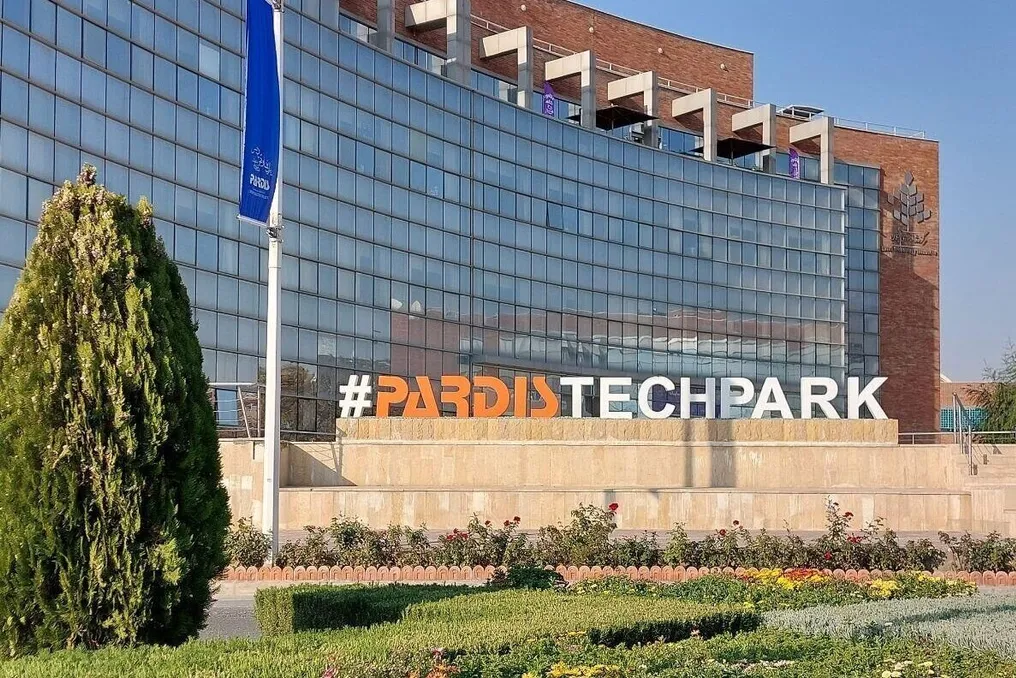
An online training session on managing technology parks was held in Tehran, organized jointly by the Technological and Innovation Academy of the Standing Committee for Scientific and Technological Cooperation of the Organisation of Islamic Cooperation (COMSTECH) and Pardis Technology Park. The goal of the event was to strengthen scientific and technological interaction among Islamic states.

The seminar, focused on creating and developing innovation ecosystems, gathered over 120 participants, including heads of scientific and technical centers from OIC member countries, as reported by the IRNA agency on Sunday.

Promoting scientific and technological cooperation

At the opening of the event, Professor Muhammad Iqbal Choudhry, head of COMSTECH and recipient of the Mustafa Prize (PBUH), emphasized the importance of sharing successful experience in the field of developing innovation ecosystems. He noted that the experience and achievements of Pardis Technology Park can help the scientific and technical centers of Islamic countries improve and develop their national innovation ecosystems.

The event was jointly organized by COMSTECH, Pardis Technology Park, and the Islamic Cooperation Youth Forum (ICYF) in Turkey. It is one of the key practical initiatives within the joint Technological and Innovation Academy.

This academy was launched two years ago at Pardis Technology Park during the ceremony for the International Mustafa Prize in the presence of representatives from several Islamic states.

COMSTECH, officially known as the Ministerial Standing Committee for Scientific and Technological Cooperation, is a specialized body of the OIC established in January 1981 following the adoption of a resolution at the Third Islamic Summit in Mecca, Saudi Arabia.

The committee's headquarters are in Islamabad, Pakistan, and its mandate is to enhance scientific and technological cooperation among OIC member states, as well as to increase their individual and collective potential in these areas. Pakistan chairs the committee.

COMSTECH's activities focus on building scientific and technological capacity, encouraging joint research, facilitating expertise exchange, and supporting the training of researchers and specialists in new fields. The committee also identifies the scientific and technological needs of member countries and develops programs to address them through cooperation and mutual assistance.

The committee aims to help Islamic countries strengthen their own research capabilities and create effective institutional frameworks for scientific planning, research, development, and innovation. Its broader vision is to make science and technology key drivers of socio-economic development, industrial growth, and improved quality of life throughout the Islamic world.

Over the years, COMSTECH has implemented these objectives through scientific courses, specialized seminars, research support programs, institutional partnerships, and networks connecting universities, research centers, and technological organizations in member countries. Its initiatives cover new fields of science and technology, with a particular focus on strengthening human resources and expanding opportunities for young researchers.

In this context, technology parks and innovation hubs play an important role in transforming scientific knowledge into practical applications, supporting technology enterprises, and connecting universities and research institutions with industry. The collaboration between COMSTECH and Pardis Technology Park aims to facilitate the exchange of experience and knowledge in developing such ecosystems.

Mustafa Prize: Recognizing Scientific Excellence in the Islamic World

The International Mustafa Science and Technology Prize, established in 2012, is awarded every two years to outstanding Muslim scientists and researchers worldwide. It is considered one of the most prestigious scientific awards in the Islamic world and is intended to recognize innovative research, promote scientific excellence, and stimulate greater collaboration among Muslim scholars.

The prize recognizes scientific achievements that contribute to improving human life, represent significant and innovative breakthroughs at the forefront of science, or offer new scientific methodologies. It also seeks to enhance the international recognition of the scientific contributions of Muslim researchers and provide a platform for interaction among leading scientific figures and research institutions.

Traditionally, the prize recognized achievements in four main areas: Life Sciences and Medicine; Nanotechnology and Nanoscience; Information and Communication Sciences and Technologies; and All Fields of Science and Technology. Under this prize, each laureate receives a cash prize of 500,000 US dollars, as well as a special medal and certificate.

Beyond financial recognition, the prize aims to foster scientific exchange across the Islamic world. Laureates are invited to give lectures and participate in scientific exchange programs, creating opportunities for researchers, universities, and scientific institutions to establish new professional and research connections.

Since its inception, the prize has attracted international attention to the achievements of scientists from various countries, including Iran, Pakistan, Turkey, Bangladesh, Lebanon, Malaysia, and other parts of the Islamic world. The award ceremonies have also provided opportunities for scientific meetings and discussions on the role of research and innovation in solving global problems.

The Joint Technological and Innovation Academy is part of this broader approach, which seeks to transform scientific and technological cooperation into practical programs that strengthen innovative potential, promote knowledge exchange, and support the development of technology-based economies in Islamic countries.

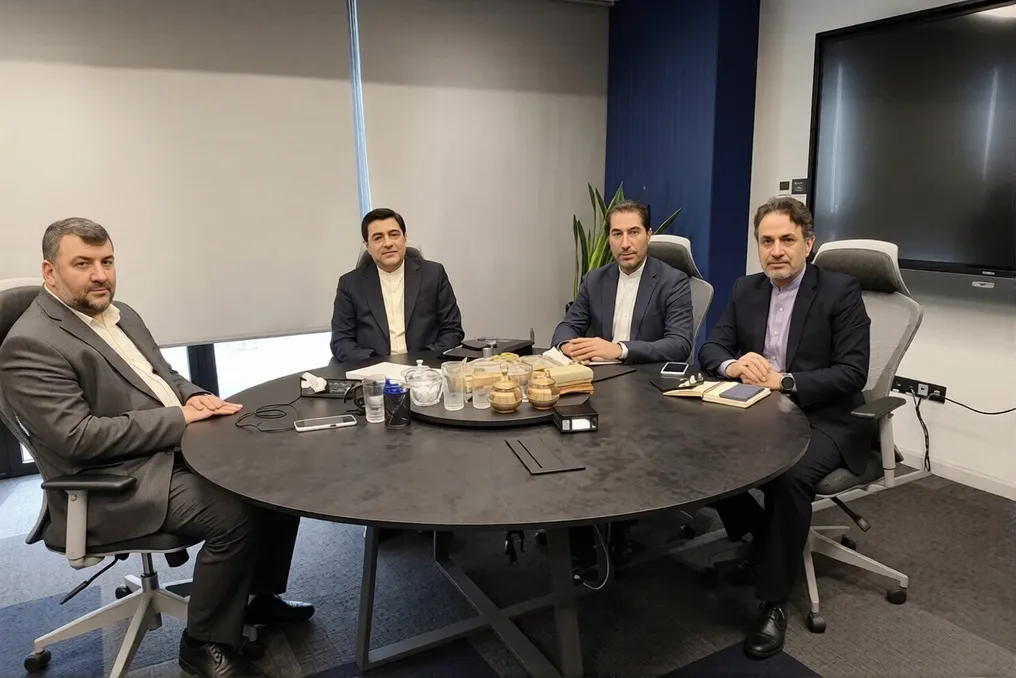
Iran and Japan Discuss Expansion of Scientific and Technical Cooperation
Read more
www.tehrantimes.com

Iran and Japan Discuss Expansion of Scientific and Technical Cooperation

Iran and Japan held discussions aimed at strengthening scientific and technological interaction through joint programs and more active utilization of both countries' research potential.

During the meeting on Monday, Mohammad-Reza Nazeri, Iran's new ambassador to Tokyo, and Amir-Hossein Mirabadi, head of the Organization for the Development of International Cooperation in Science and Technology, explored opportunities to expand bilateral partnership, according to Mehr News Agency. The main focus was on developing joint programs and effectively applying the scientific and technological capabilities of each country.

In January, Japanese Ambassador Tamaki Tsukada emphasized the need to strengthen scientific ties with Iranian universities in various fields, especially in new technologies, artificial intelligence (AI), and advanced materials. According to Tsukada, science and industry are the main indicators of power in the 21st century and play a crucial role in scientific diplomacy.

These statements were made during a meeting with Mahmoud Shokrikh, Rector of the University of Science and Technology of Iran (IUST). The ambassador noted that Iran's scientific capabilities and potential have never been fully presented to Japan, and that this is his primary task. He also stated his readiness to facilitate interaction between IUST and Japanese universities.

For his part, Shokrikh detailed the university's achievements in science, research, and industry. He proposed faculty and student exchanges, joint educational courses and scientific projects, the creation of shared laboratories, and cooperation in science and technology parks.

Referring to the consortium of five leading Iranian technological universities—University of Tehran, Tehran Medical University, Amkirabi University of Technology, Sharif University of Technology, and Iran Medical University (UT5)—the official representative stated that this consortium could form the basis for expanding scientific contacts between top Iranian technological universities and Japanese universities, which was positively received by the Japanese side.

In 2025, Ehsan Chitsaz, Deputy Minister of Information, Communications, and Technology (ICT), and Takuo Imagwa, Vice Minister of Japan for International Affairs and Communications, stressed the necessity of increasing technological cooperation in key sectors, including AI, the digital economy, and the development of sustainable communication infrastructure.

During the meeting held in Tokyo, officials examined ways to further improve cooperation. Topics discussed included the establishment of an 'Iran-Japan Center for Digital Innovation,' joint policy development for new technologies such as artificial intelligence, big data, and platform regulation, as well as training specialists in the digital economy through joint university courses.

In turn, Takuo announced Japan's readiness to develop digital ties with Iran, noting that Iran is following a path of digital transformation while considering local and long-term aspects. Japan supports this approach and is ready to implement joint projects after evaluating Iran's constructive proposals. The parties also agreed to establish a joint executive working group to monitor the implementation of the agreements reached.

Popular