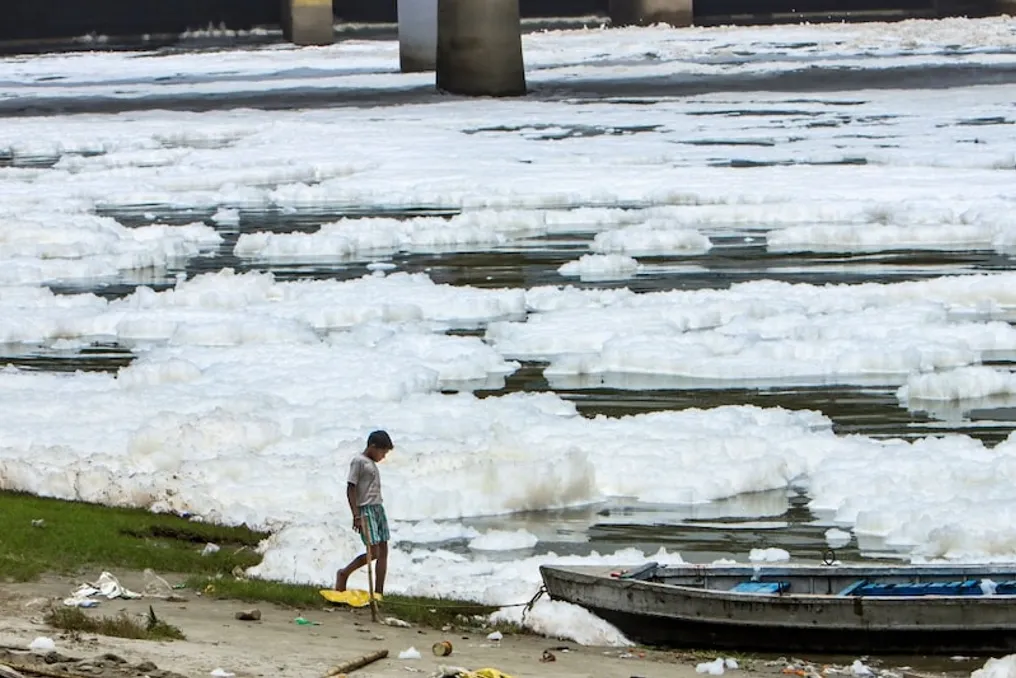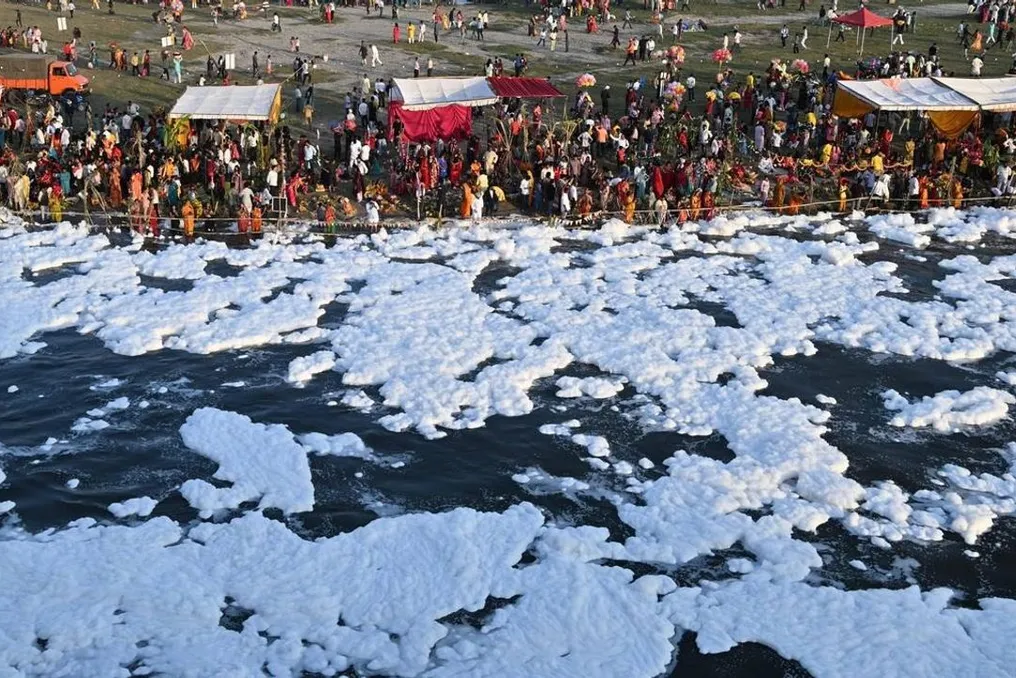
Every year, as winter approaches, certain sections of the Yamuna River in Delhi become covered with a thick white layer of foam. This phenomenon is particularly noticeable near Kalindi Kunj and the Okhla Barrage, often in October-November. Although the foam may resemble soap bubbles floating on the water, it indicates a deeper problem—the influx of large volumes of pollutants into the Yamuna. River observers and experts note that this phenomenon has been occurring for over ten years.
The primary cause of foam formation is surfactants and phosphates contained in wastewater. These compounds are typically associated with detergents and cleaning products used in households, laundries, and industries. When wastewater containing these chemicals enters the river without proper treatment, it increases the pollutant load and creates conditions conducive to foam formation. A 2019 report presented to the Yamuna Monitoring Committee identified high phosphate concentrations, mainly from domestic sewage, as a significant factor.
Surfactants are compounds that reduce the surface tension of water, facilitating the formation and stabilization of air bubbles. When water containing detergents is agitated, these substances help form layers of foam. Phosphate compounds present in wastewater can settle at the riverbed and rise into the water column when disturbed. The resulting turbulence combines pollutants and air bubbles, creating white foam on the river's surface.
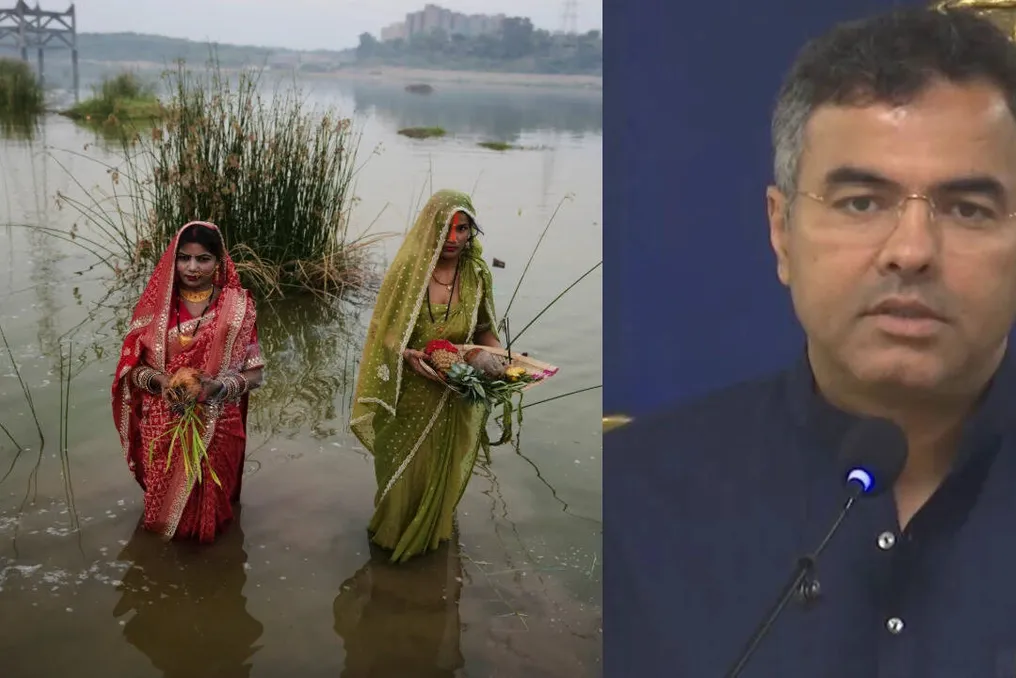
Foam formation in the Yamuna begins after the monsoon season but becomes more noticeable with the onset of winter. During this period, the river enters a low-flow phase, where the volume of water is smaller and less fresh water is available to dilute the pollutants. Experts also point to the drop in temperature as a factor making the foam more persistent. This is why the phenomenon often becomes especially evident around November, coinciding with the Chhath Puja festival.
The Okhla Barrage plays an important role in the foaming process. Wastewater carrying detergents, surfactants, and other pollutants accumulates in the river before reaching the barrage. When water is released through the barrage gates, it falls from a height, causing turbulence and agitation. This mixing brings pollutants that have settled in the water and on the riverbed to the surface, leading to the formation of thick layers of foam downstream. Thus, sudden water discharge can intensify foam formation.
The problem is not limited to household detergents. Untreated and partially treated sewage, industrial discharges, as well as wastewater from laundries and dyeing units also contribute to pollution. A 2021 report prepared by the monitoring committee appointed by the National Environmental Tribunal noted that a 22 km stretch between Wazirabad and Okhla was responsible for 76% of the total pollution level of the Yamuna. Wastewater flowing through drains from Delhi, Haryana, and Uttar Pradesh exacerbates this load.
A study conducted by the TERI (The Energy and Resources Institute) and published in the Hindustan Times in December 2025 identified another culprit—water hyacinth. As these plants decompose, they release natural compounds called saponins, which possess foaming properties. The study found that these natural compounds, along with artificial surfactants from detergents, contribute to foam formation. When combined with the turbulence caused by water discharged through the Okhla Barrage, the foam becomes more pronounced.
Removing foam from the river surface does not solve the underlying problem. Defoamers and anti-surfactant solutions can temporarily suppress the foam, but the problem will persist as long as untreated sewage and industrial effluents continue to enter the Yamuna. The TERI study also pointed to gaps in the capacity of existing sewage and general wastewater treatment facilities to effectively remove certain surfactants. Ultimately, solving the crisis of recurring foam formation requires preventing pollutants from entering the river, improving wastewater treatment, and ensuring adequate freshwater inflow.