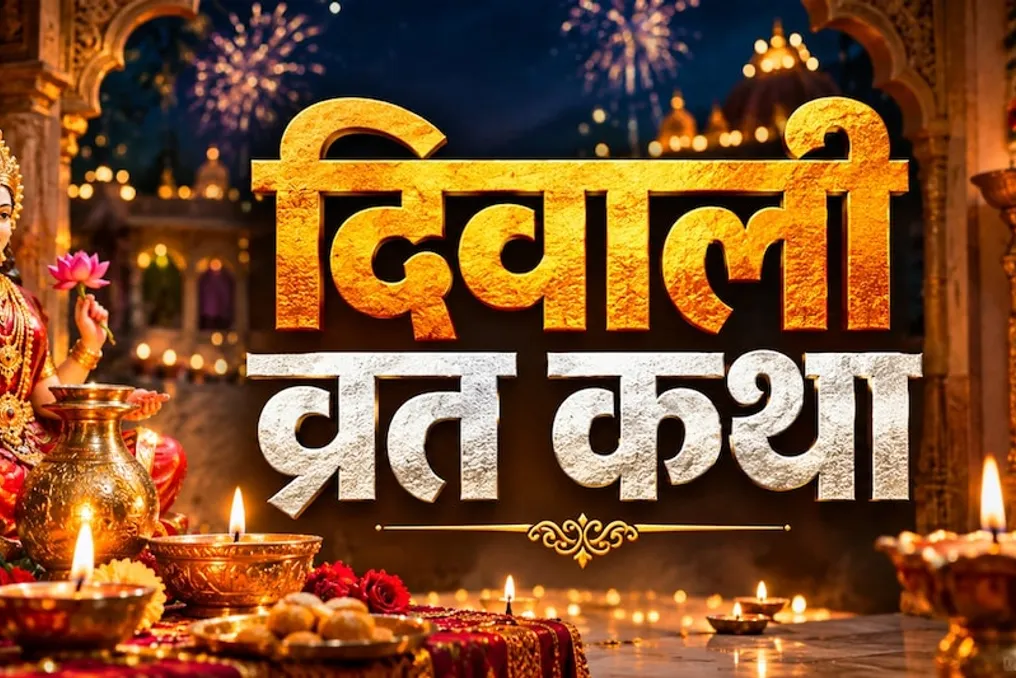
The festival of Diwali is a celebration of light, joy, and new hopes. On this day, everyone decorates their homes and prepares to welcome the goddess Lakshmi. In Hinduism, the worship of the goddess of wealth, Lakshmi, and the god Ganesha during Diwali holds special significance. There is a religious belief that reading or listening to legends during Diwali helps maintain peace and tranquility in the home, as well as wishing for the blessings of Goddess Lakshmi to remain with the family.
This year, Diwali is celebrated on November 8th. Below are popular mythological stories associated with this festival.
The Legend of Diwali
According to ancient beliefs, Vishnu incarnated on Earth in the form of Shri Rama during the Treta Yuga. He was born in the house of King Dasharatha in Ayodhya. When Shri Rama grew up, King Dasharatha decided to make him the heir apparent. However, Queen Kaikeyi, demanding the fulfillment of old promises, insisted that Bharat should receive the throne, and Ram was exiled for 14 years.
Shri Ram, respecting his father's word, decided to go to the forest without objection. His wife Sita and younger brother Lakshman accompanied him, leaving Ayodhya. During the exile, they faced many hardships. It was then that Ravana abducted Sita, his mother.
After this, Shri Ram attacked Lanka with the help of an army of monkeys, defeated Ravana, and rescued Sita. Upon the completion of the 14-year exile, Shri Ram, Sita, and Lakshman returned to Ayodhya. A celebration was organized throughout the city to honor their return. People welcomed them by lighting lamps in their homes and streets. According to religious belief, Diwali is celebrated annually in memory of this event.
The Origin Story of Goddess Lakshmi
Another mythological tradition associated with Diwali relates to the Milky Ocean. According to this story, the gods and asuras together performed the churning of the ocean. During this process, along with various divine objects and treasures, the goddess Mahalakshmi emerged. It is believed that this happened on the new moon day of the Kartik month. Goddess Lakshmi is worshipped as the goddess of wealth, splendor, and luxury. In celebration of her appearance, the gods welcomed her and performed rituals of worship. This is why there is a tradition of performing a special ritual to worship Goddess Lakshmi on the night of Diwali.
The Story of the Merchant's Daughter and Goddess Lakshmi
Another common story tells of a merchant in a village. His daughter daily carried water to a peepal tree, believing that Goddess Lakshmi resided in this tree. One day, Goddess Lakshmi offered friendship to the daughter. The girl first asked her father's permission, and then became friends with Goddess Lakshmi. A good friendship developed between them. After some time, Goddess Lakshmi invited her for lunch.
Goddess Lakshmi warmly welcomed her friend, treated her to delicious food, and bid her farewell warmly. As she left, she asked the girl when she would invite her to her home. The merchant's daughter also invited her but worried about her family's weak financial situation. Seeing her daughter's worry, the father encouraged her, advising her to thoroughly clean the house, spread a mat in the yard, and remember Goddess Lakshmi by lighting a four-faced lamp. Following her father's advice, the girl did all this.
According to this legend, a crow dropped a valuable necklace at that time. The merchant's daughter found it. She sold the necklace and organized a reception and feast for Goddess Lakshmi. Soon after, Goddess Lakshmi arrived at her home with Lord Ganesha. The merchant's daughter received both with the utmost reverence and devotion. Pleased by her devotion and hospitality, Goddess Lakshmi filled her home with wealth and prosperity. After this, the merchant's family became happy.