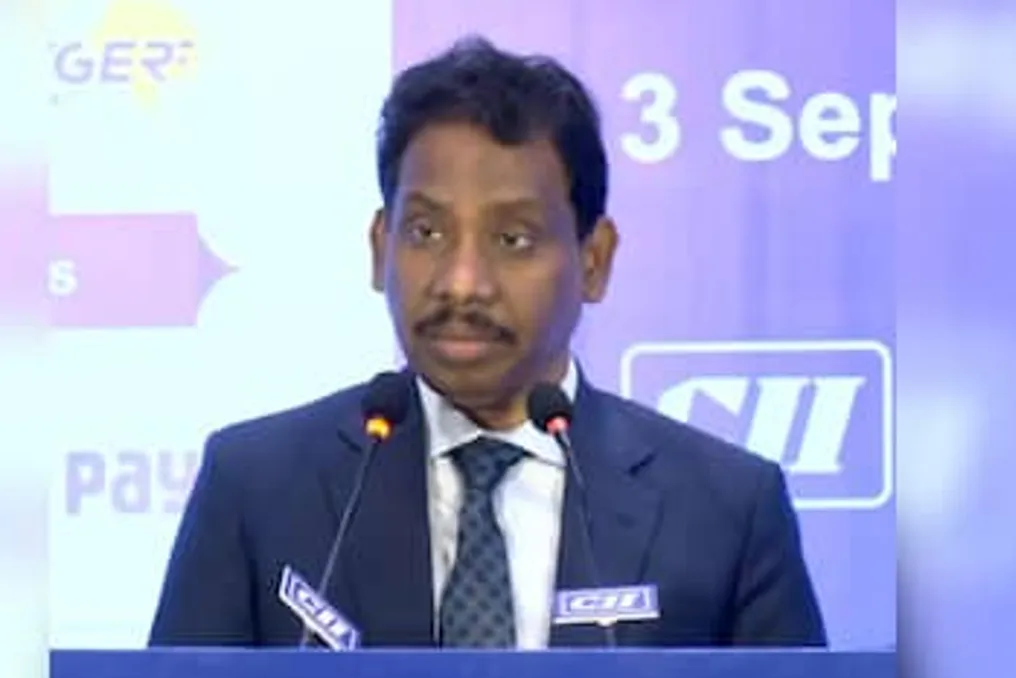
RBI plans to review the income threshold of 3 lakh rupees for microfinance borrowers, says Murmu
Read more
Business Standard
business-standard.com

RBI plans to review the income threshold of 3 lakh rupees for microfinance borrowers, says Murmu

Shirish Chandra Murmu, Deputy Governor of the Reserve Bank of India (RBI), stated on Friday that the central bank will consider changing the annual income threshold of 3 lakh rupees for clients of microfinance institutions. This statement was made in response to industry demands to raise this limit.

During an event organized by the Microfinance Institutions Network (MFIN) in Mumbai, Murmu noted that the decision to review the threshold would depend on an assessment of the necessity of such changes and the current situation in the industry.

He also urged industry representatives to strengthen household income assessment and reporting processes to maintain trust and prevent the misuse of any changes in regulatory thresholds.

The microfinance sector had also sought a revision of the 50 percent limit on the debt service-to-income ratio, or Fixed Obligation to Income Ratio (FOIR), proposing to exclude the principal component of some loans from this calculation. However, Murmu countered that such an exclusion would undermine the purpose of this limit, reduce its significance, and distort the picture of household indebtedness.

He emphasized that the goal of the 50 percent limit is to prevent excessive debt burden on borrowers while ensuring that a reasonable portion of the household income remains available for essential expenses and other life needs. Murmu added that 50 percent is already a generous threshold, considering the limited financial cushion of low-income families and their vulnerability to economic shocks.

Referencing a recent study, Murmu pointed out that, on average, a microfinance borrower spends 18.7 percent of their monthly income on loan repayment, while nearly two-thirds of the funds go towards consumption. Furthermore, periodic NABARD surveys on rural economic conditions and sentiment show that consumption and other expenditures account for approximately three-quarters of the household's monthly income, leaving the remainder for debt repayment and savings.

From a risk management perspective, Murmu stated that the regulatory FOIR should be viewed as a preventive maximum, not a target metric that every household must adhere to. He also drew attention to the steady growth in the average loan size in the microfinance sector: large loans are increasing significantly, while small loans are losing popularity.

While this may indicate growing confidence from lenders in borrowers with established credit histories, it also requires attention to the risks of over-indebtedness, including cases where borrowers take larger sums to repay old obligations, as well as the potential inflation of household income to improve loan approval chances. Moreover, he warned that excessive focus on existing borrowers could lead to new clients without credit history being excluded from the formal financial system.
Similar stories

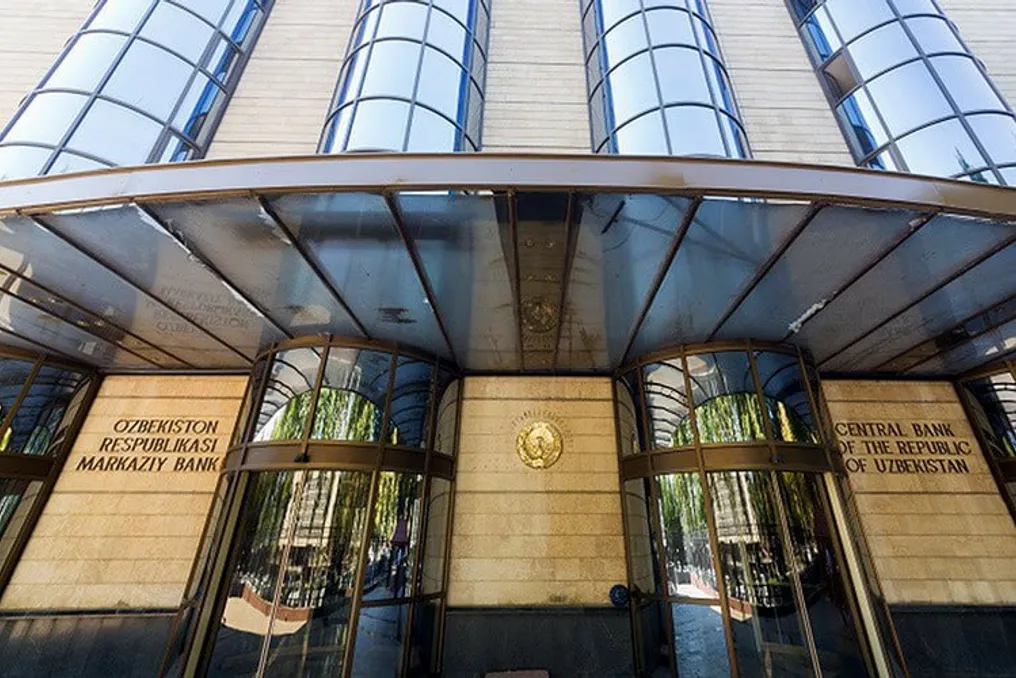
Central Bank of Uzbekistan Obliged Banks to Cancel Illegal Loan Charges and Return Funds to Borrowers
Read more
podrobno.uz

Central Bank of Uzbekistan Obliged Banks to Cancel Illegal Loan Charges and Return Funds to Borrowers

The Central Bank of Uzbekistan has instructed commercial banks to conduct a thorough internal audit of all loan agreements for which court decisions regarding debt recovery have already taken effect. Based on this audit, banks are obliged to annul unjustifiedly accrued interest, fines, and penalties, as well as return the funds previously collected from borrowers.

The deadline for completing this audit is set for December 10, 2026. The basis for the Central Bank's requirements is the third part of Article 744 of the Civil Code, according to which the accrual of interest, fines, and penalties ceases after the court issues a decision to recover the credit debt. This means that after receiving a judicial act, the debt should not increase due to additional charges.

The Central Bank has tasked the supervisory boards and management of banks with ensuring compliance with this requirement. Internal audit departments must examine loans with existing court decisions and provide bank management with information about identified violations.

If an instance of illegal accrual of interest or fines to borrowers after a court decision has been issued is found, banks must immediately cancel these amounts and refund the already collected funds. Commercial banks must provide the Central Bank with detailed reports on the work performed and the returned money, supported by documentation, by December 25, 2026.

Borrowers facing such situations have the option to seek assistance through the Central Bank's call center or use the Telegram bot.

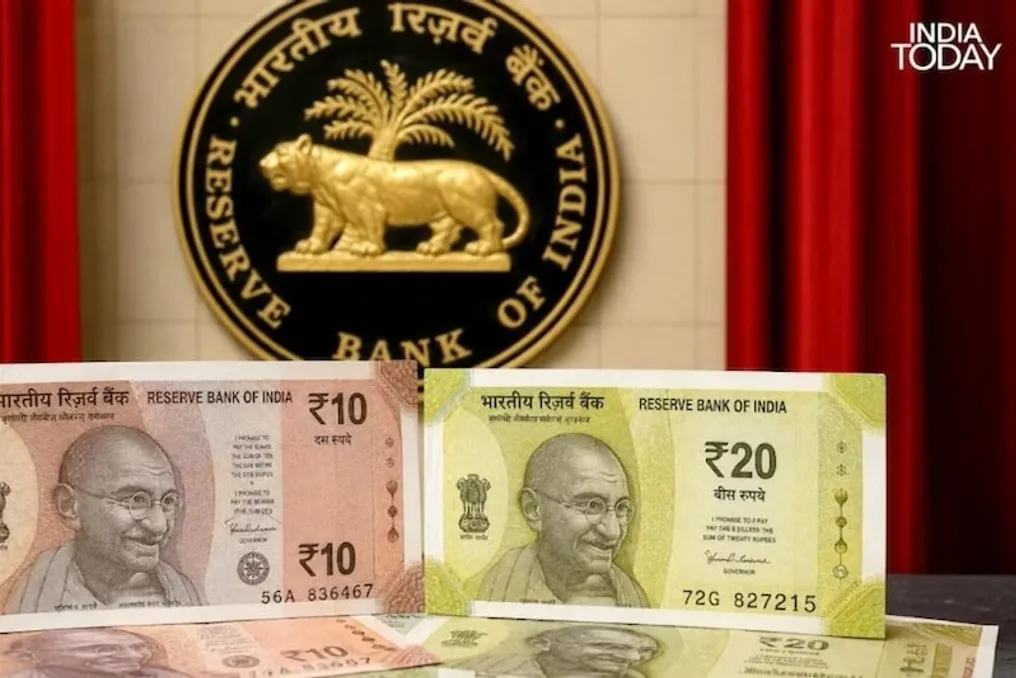
Reserve Bank of India refutes rumors of shortage of ₹10, ₹20, and ₹50 notes ahead of Diwali
Read more
www.aajtak.in

Reserve Bank of India refutes rumors of shortage of ₹10, ₹20, and ₹50 notes ahead of Diwali

The Reserve Bank of India (RBI) has refuted the circulating rumor that there might be issues with the availability of ₹10, ₹20, and ₹50 denomination banknotes during the Diwali holidays. The RBI stated that it has sufficient quantities of all types of banknotes in its vaults and treasuries.

A message circulated on social media platforms, including WhatsApp, claiming that there could be a decrease in the availability of new ₹10, ₹20, and ₹50 notes during the festive season. This message was presented as advice from the RBI, causing concern among consumers and small traders before Diwali.

The Fact Check division of the Press Information Bureau (PIB) also confirmed that this claim is entirely false, and that the RBI has never made any statements regarding a shortage of low-denomination notes.

A fake circular dated October 27, 2026, and numbered 'RBI/2026-27/124' contained a statement that the RBI is gradually reducing the printing of ₹10, ₹20, and ₹50 notes due to the transition to a less cash-based economy and the promotion of digital payments. It included a warning about a possible shortage of these small denominations during Diwali and advised citizens to withdraw or prepare cash in advance to avoid inconvenience during the holidays.

In a post on the social media platform X, the RBI clearly clarified that all types of notes, including low-denomination ones, are always available in sufficient quantity in the RBI's vaults and treasuries, and that the content of the fake circular is misleading. The RBI noted that the notification was fraudulent, using an incorrect name and logo, and the signature was falsified in the name of the bank governor. It reiterated that the bank's vaults and treasuries have sufficient quantities of banknotes of all denominations. The central bank emphasized that it had not issued any recommendations that ₹10, ₹20, or ₹50 notes would be unavailable or that their supply would decrease by Diwali. The bank urged people not to trust this fake circular or forward it further.

According to statements from the RBI and PIB, there is no official restriction on the supply of small notes during the festive period, despite the increased demand for cash for gifts, purchases, and local transactions. Both bodies advised people to check any statements on the Central Bank's official website or through verified social media accounts. The bank requested reliance only on official communications, not on forwards from unverified sources. Banks are expected to continue issuing regular notes from their treasuries.

Popular