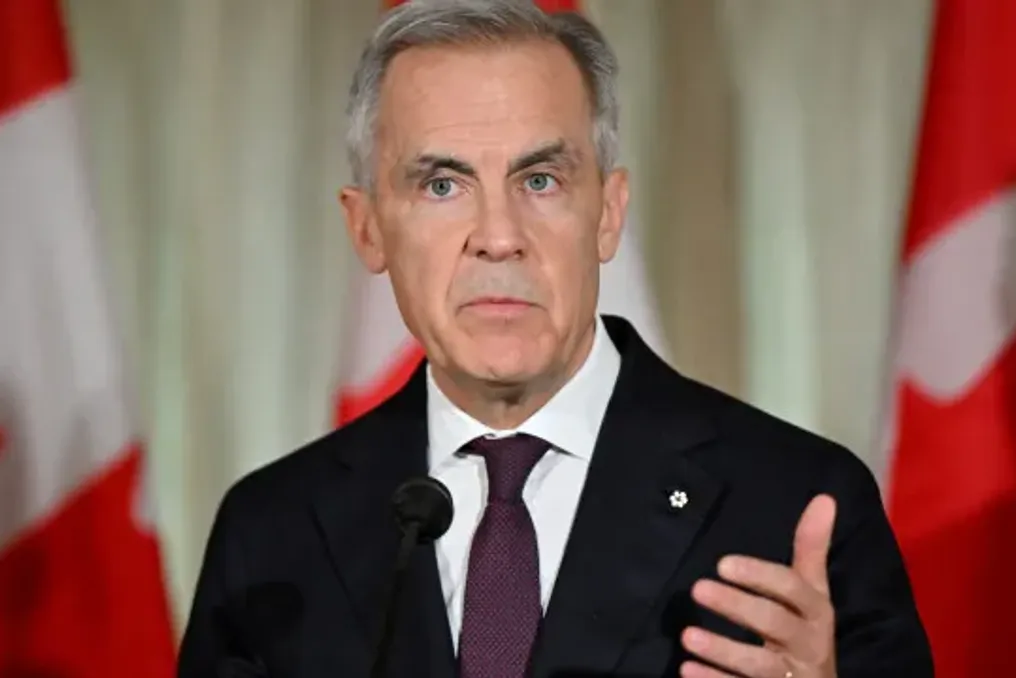
The Canadian Prime Minister announced a donation of 560 million Canadian dollars (equivalent to 356 million euros at the current exchange rate) to the Forever Tropical Forests Fund (TFFF) in Manila. This contribution represents the initial input of a multinational financial plan that will span four years, aimed at preserving and protecting tropical forests, as stated by Mark Carney.
The presentation of this contribution took place during the Association of Southeast Asian Nations (ASEAN) summit in Manila. At this event, Carney met with the President of Brazil, Luiz Inácio Lula da Silva.
During the bilateral meeting, Carney and Lula da Silva established a mutual commitment to make reciprocal visits in 2027, with the goal of strengthening trade relations between the two nations. Carney will visit Brazil in the first quarter of 2027 with a business delegation, while Lula da Silva will travel to Canada in the second quarter.
Both leaders shared a critical stance regarding the tariff policy implemented by the administration of US President Donald Trump.
The TFFF was established in November 2025, during the 30th United Nations Climate Change Conference (COP30), held in Belém, Brazil, under the leadership of Lula da Silva. Canada joined the declaration launching this fund, along with 65 other countries.
According to Carney, in a statement issued by his office, 'Taking care of nature is part of the Canadian identity.' The TFFF, coordinated by Brazil and Norway, functions as a financing mechanism that mobilizes both public and private resources to safeguard biodiversity, protect tropical forests, and support local populations.
When fully operational, the mechanism aims to protect over one billion hectares of tropical forests annually in more than 70 countries, according to information from the Canadian Government. The Government emphasized that Canada's initial contribution will help meet the TFFF's fundraising goals to start activities and attract greater private and public investment.
As detailed in the official note, a minimum of 20% of the financial contributions will be allocated to indigenous peoples and local communities, recognizing the fundamental role they play in biodiversity and forest conservation.
Otava mentioned that the amount announced by Carney during his meeting with Lula da Silva is aligned with the spring economic review of 2026. In this budgetary update, Canada committed to directing almost six billion Canadian dollars (3.8 billion euros) to international climate financing.
This amount raises the total target for support to developing countries to over 13 billion Canadian dollars (8.2 billion euros) by 2031, reported the Prime Minister's office. The Government also stressed that protecting tropical forests is crucial for maintaining a stable climate, healthy ecosystems, and a robust global economy.
Additionally, the Canadian Government pointed out that conserving these forests brings direct benefits to Canada itself, given that the effects of climate change pose a threat to the country's infrastructure and communities.
To date, the TFFF has received financial commitments from nations such as Brazil, France, Germany, Indonesia, Luxembourg, the Netherlands, Norway, Portugal, and the United Kingdom, in addition to engagement from countries like the Democratic Republic of Congo, Ghana, and Peru.
The mechanism seeks to raise 35 billion dollars (31.5 billion euros) in contributions from nations and organizations, with the aim of catalyzing up to 140 billion dollars (127 billion euros) in additional private investment. Net profits generated will be used to cover performance-based long-term conservation payments to countries possessing qualified tropical forests, added the Canadian Government.