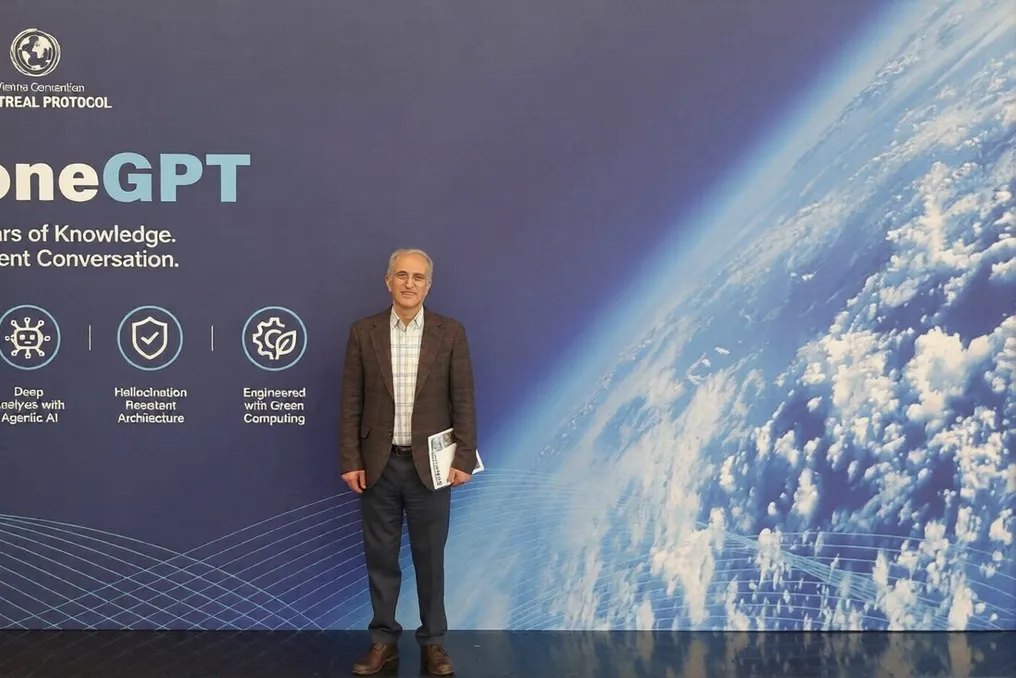
Iran called for maintaining international cooperation to protect the ozone layer, emphasizing the country's active role in the phased elimination of ozone-depleting substances. These statements were made by Hossein Shahbaz, head of Iran's Ozone Layer Protection Department, at the 38th meeting of the Parties to the Montreal Protocol on Substances that Deplete the Ozone Layer (MOP38).
The event took place in Kigali, Rwanda, from November 2 to 6. Shahbaz highlighted the critical importance of maintaining collective efforts and global interaction to advance the goals of the Montreal Protocol and ensure the preservation of the ozone layer.
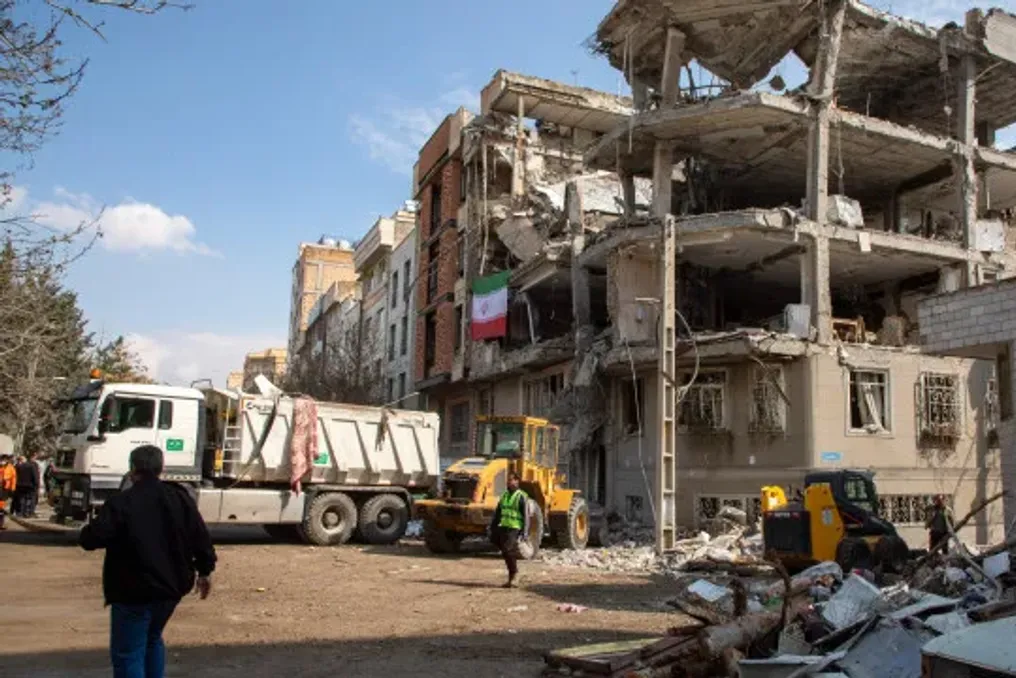
He presented a report on Iran's achievements in ozone layer protection, including the current status of ratification of the Kigali Amendment, as well as future initiatives by the Department of Environment (DOE) to meet the Protocol's requirements. Furthermore, Shahbaz highlighted the impact of US and Israeli attacks on the country's infrastructure, noting that these attacks have delayed the ratification process of the Kigali Amendment.
At MOP 38, issues regarding the implementation of the Protocol were discussed, the tenth anniversary of the Kigali Amendment was noted, and the replenishment of the Multilateral Fund for the period 2027–2029 was approved.
The meeting recognized the Kigali Amendment to the Montreal Protocol, adopted in 2016, which extended the Protocol's regulation to HFCs (hydrofluorocarbons). Thanks to this amendment, the Protocol has become a significant part of global climate action; it is estimated that the Kigali Amendment can reduce global warming by approximately 0.4–0.5°C by 2100, and almost all countries in the world have ratified this amendment.
In September, Shina Ansari, head of the DOE, also called for closer international cooperation to counteract the harmful effects of ozone depletion and climate change. She stated that real, measurable results can be achieved provided there is global participation, firm commitment to obligations, and allocation of targeted financial resources.
Speaking at the World Ozone Day celebration, she emphasized the need to adopt more effective measures to achieve common goals for solving global environmental problems, both in ozone layer protection and mitigating global warming, in order to restore Earth's protective shield.
Ansari specified that the Montreal Protocol is a global agreement aimed at controlling the production, trade, and consumption of ozone-depleting chemicals, with the ultimate goal of protecting life on Earth through the gradual phase-out of such substances. This landmark treaty, adopted in 1987 and entering into force in 1989, is considered one of the most successful environmental agreements in the world and a model for environmental cooperation.
She noted that thanks to the joint efforts of countries around the world, the ozone layer is on the path to recovery, and significant progress has been made. Ansari stressed that the Protocol has demonstrated that science-based decision-making, global participation, effective international cooperation, strong commitment to obligations, and allocated financial resources can yield tangible and measurable results.
Moreover, she added that this process has allowed countries and industries to transition to safer and more environmentally friendly alternatives while supporting economic development. Ansari reported that the Islamic Republic of Iran has taken effective steps in this direction in recent years through the interaction of national and international executive bodies, as well as public and non-governmental sectors.
She also mentioned that the country faces another environmental problem—damage and losses caused by two wars waged against Iran over the past two years. Ansari stated that these unjust wars have damaged infrastructure, and civilian objects have also been attacked. Cultural and historical heritage sites, scientific and research centers have been damaged, and irreparable losses have been incurred in natural habitats, coastal ecosystems, biodiversity, and environmental protection sites.
Based on this, Ansari insisted that the harmful consequences of wars, which can pose a serious obstacle to fulfilling international agreements, must also be taken into account due to their extremely destructive impact.