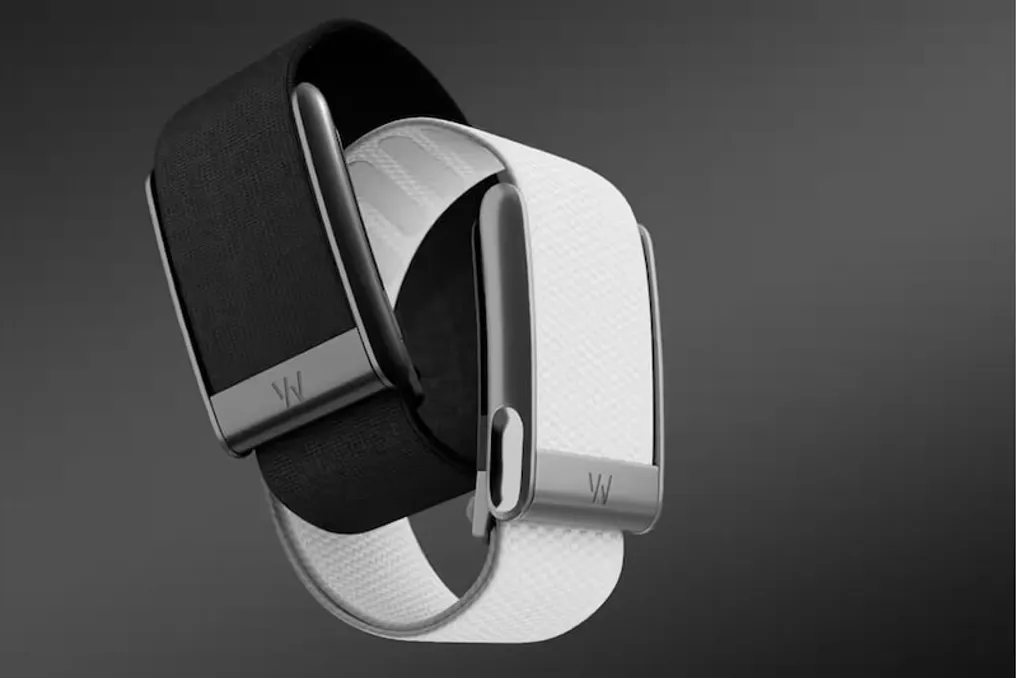
WHOOP released the Humans feature, allowing users to share health and fitness data
Read more
Aaj Tak
www.aajtak.in

WHOOP released the Humans feature, allowing users to share health and fitness data

Users of WHOOP wearable devices, including famous athletes such as Virat Kohli and Sania Mirza, use these bracelets. The company has introduced a new feature called Humans, which is available in the WHOOP mobile application.

The Humans feature is a social interaction tool that allows WHOOP users to connect with their friends and family. Through this feature, users can share selected data related to their health and physical fitness, as well as post photos, updates, and other messages. Additionally, they can leave comments and react to content.

Previously, the WHOOP platform had the WHOOP Teams feature, which allowed for the creation of group leaderboards. According to the company, 57 percent of participants used WHOOP Teams. However, the Humans feature offers more direct contact between friends and relatives instead of a group format.

With the WHOOP Humans features, users can exchange health and fitness-related data. This includes recovery scores, daily stress and training stress, as well as sleep performance metrics. Heart Rate Variability (HRV) and activity summaries can also be shared.

Within the Moments feature, users can post pictures taken during workouts, events, or daily activities. These images can be linked to health and fitness data. Users have the option to share these moments with their network or keep them private.

The WHOOP Humans feature also includes privacy control tools. Since the data is often sensitive, these settings allow information to be hidden from other users. Separate controls are provided for each health parameter. The company emphasized its data policy, stating that it neither sells nor uses its participants' data for commercial purposes.
Similar stories

Xinhua unveils humanoid robots for news broadcasting
Read more
uzdaily.uz

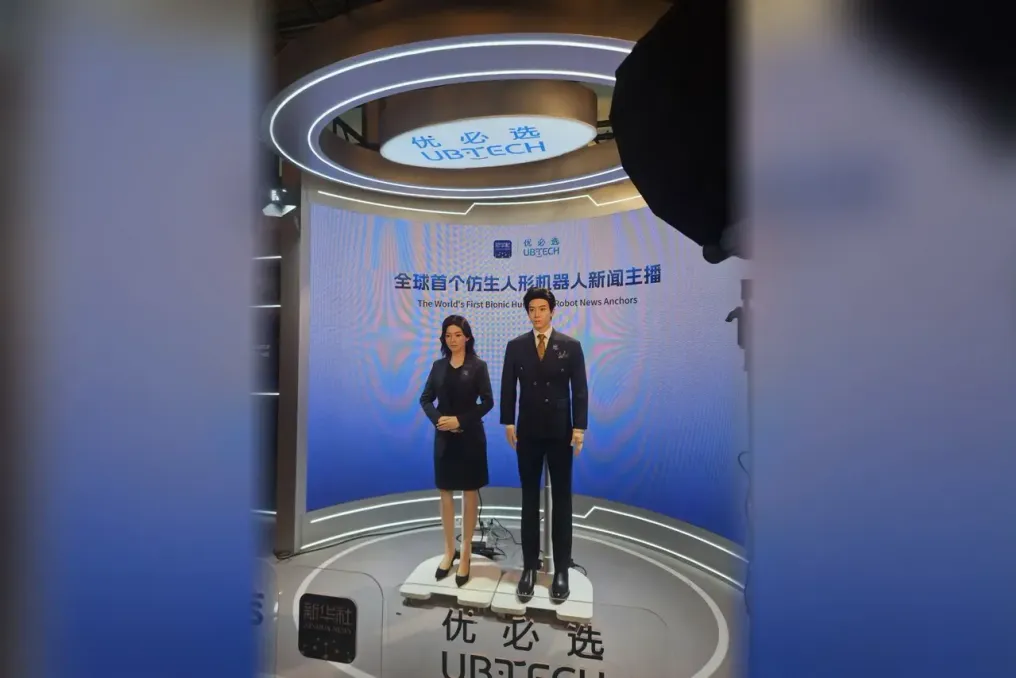
Xinhua unveils humanoid robots for news broadcasting

China's state news agency Xinhua, in collaboration with UBTECH, unveiled two humanoid news anchor robots on November 5th. The presentation took place at the China AI and Modernization Forum in Beijing. Xinhua described these robots as the world's first bionic robots of their kind.

The robots, named Xinyu and Xinyan, are life-sized and designed for use in news programs. During the forum, one of them demonstrated its capabilities by presenting an opening news segment on stage.

The chief designer of the robots' appearance was renowned Chinese film director Zhang Yimou. The design considered the look and behavior expected of television presenters, as well as the goal of achieving a natural resemblance to humans.

According to Xinhua, the robots are integrated with the agency's AI information agent, Xinhua Yudian. This agent utilizes the agency's established database of news and public affairs materials. The company asserts that this system allows the robots to receive up-to-date information from authoritative sources while maintaining control over the content of their reports.

UBTECH was responsible for developing the bionic skin, hardware platform, operating system, and artificial intelligence model, as well as manufacturing the robots themselves. UBTECH Chairman Zhou Jian noted that the technological system integrates information processing, facial expressions, and motion control. He added that using verified materials should reduce the risk of errors associated with generative artificial intelligence.

Xinhua emphasized that the robots will not replace journalists or editors. Tian Tung, Director of the agency's New Media Center, characterized them as a new element of editorial work. The robots will handle information presentation, content broadcasting in various languages, and audience interaction. News preparation and editorial oversight will remain the responsibility of agency staff.

Potential applications for the robots include research centers, city visitor centers, international cultural events, and coverage of deep space research.

The forum also featured a signing ceremony for the establishment of Xinhua's AI base in Beijing. Furthermore, a research project was launched to study mobile news shooting technologies and standards for ensuring the reliability of visual materials.

The forum is part of the seventh World Media Summit, organized by Xinhua in cooperation with the municipal government of Beijing. The event will run until November 9th and is expected to gather about 500 representatives from nearly 330 media organizations, think tanks, government agencies, and international organizations from 112 countries and regions.

Popular