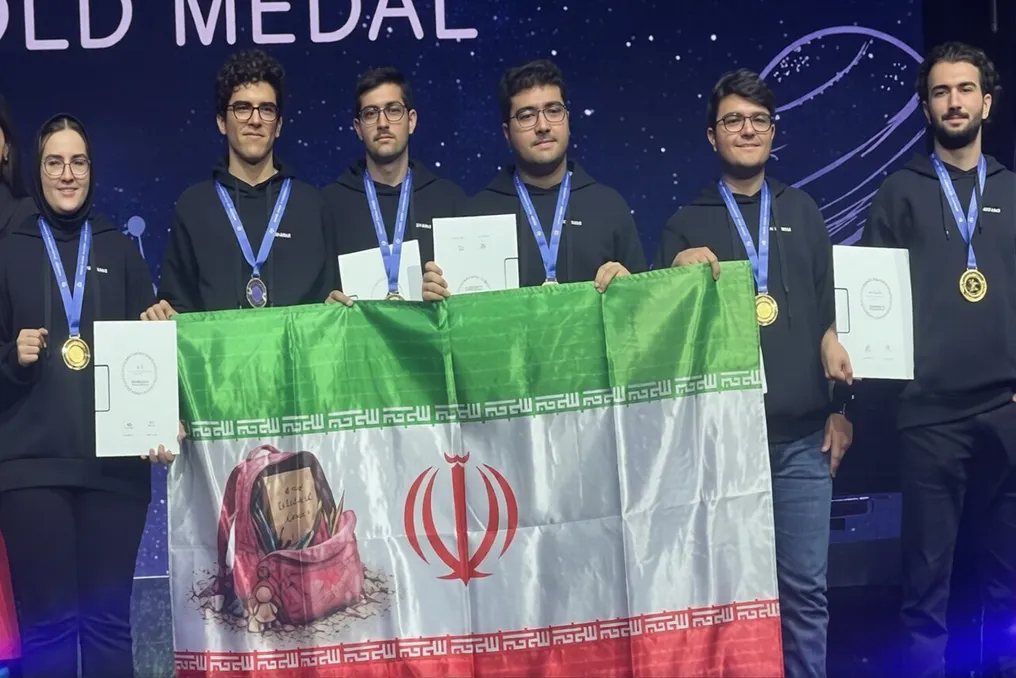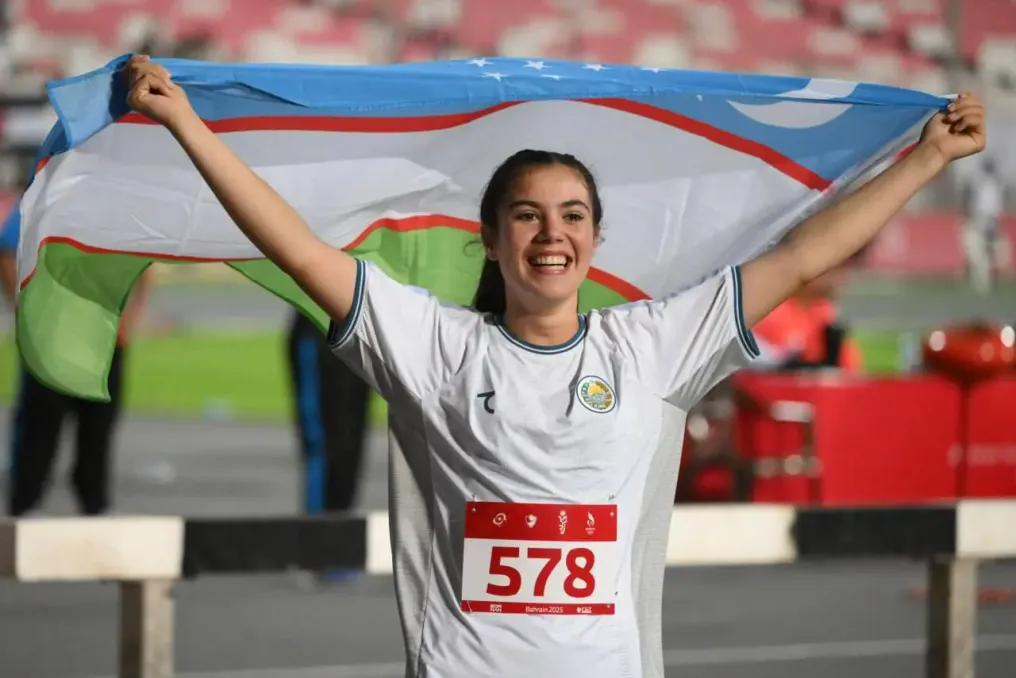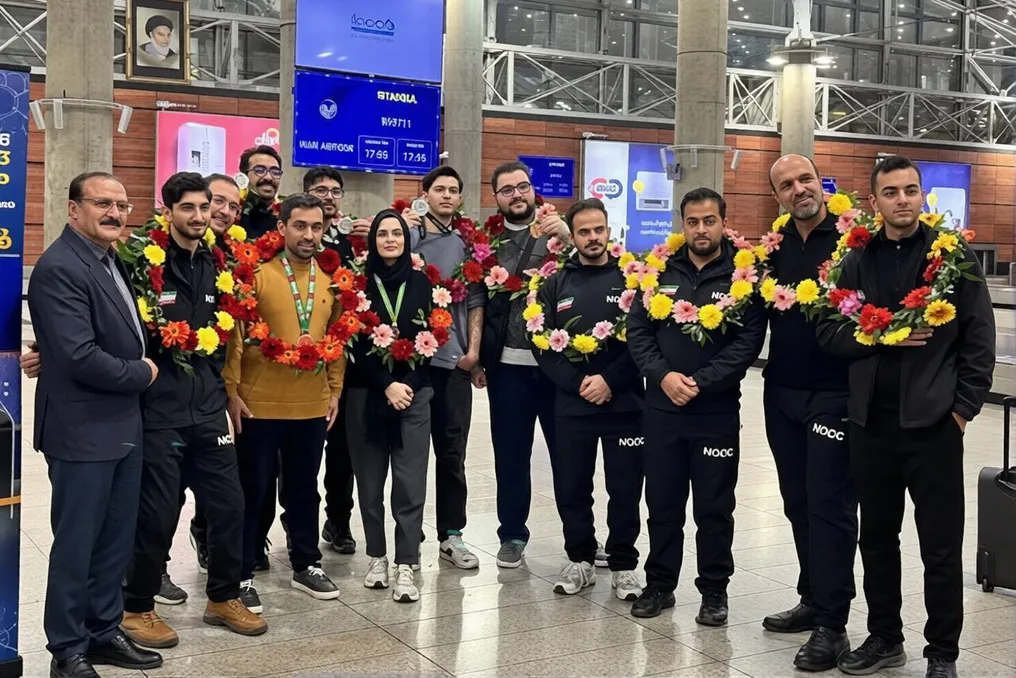
A team of 12 young technology specialists from Iran won nine medals at the BRICS High-Tech Future Skills competition 2026, which was held in Russia. Among the awards received were two gold, three silver, and four bronze, allowing them to take first place in the total number of medals among all participating teams.
The competition, dedicated to the theme 'High Technologies: Skills of the Future,' took place in Yekaterinburg from November 9 to 13 and gathered over a thousand participants, experts, representatives of technology companies, educational institutions, and industries from around the world. The goal of this international event was to stimulate technological cooperation between BRICS countries, strengthen human resource potential in industry, and promote the application of new technologies in production.
Gold medals were awarded to Abuzar Masoudi in chemical engineering and Heybar Dashtian in polymer and petrochemical engineering. Bronze medals were received by Amir-Hossein Hashemi and Sharvin Rastegar in the field of robotics and automation of technological processes, as well as Ali Yousefi and Hossein Seyed Mohseni in cybersecurity. Additionally, bronze awards were given to Amir-Hossein Haniki in machine learning and big data, Amir-Hossein Abdollahi and Arezo Sabri in the sector of innovation and artificial intelligence-based applications, according to Mehr News Agency.
This year, the competition covered 49 professional disciplines, including areas such as data mining and artificial intelligence, machine learning, big data processing, industrial algorithm development, AI application in unmanned aerial systems (UAS), UAS operation, cybersecurity (protection of critical infrastructure, such as oil refineries and power plants from network attacks), robotics and drones (industrial and aerial robotics, design of drone control systems for equipment monitoring), and smart manufacturing (process automation, additive manufacturing or 3D printing, and digital design).
The event also served as a platform for exchanging technical experience, developing professional skills, improving production processes, and finding innovative solutions for industrial tasks.
In June, the first group of young Iranian specialists in innovation participated in the BRICS training program called 'BRICS Camp + Technology Policy,' which took place in Beijing, China. This international program focuses on technopark management, science and technology, and expanding cross-border innovations. About 40 managers, politicians, and science and technology experts from 10 countries participated: China, Iran, India, South Africa, Malaysia, Indonesia, Thailand, Uzbekistan, Kazakhstan, and Mongolia.
The Iranian delegation, composed of young leaders of scientific and technical parks and young university lecturers, participated in the event with the support of the Deputy Minister of Science for Innovation and Technology and the UNESCO Regional Centre for the Development of Scientific Parks and Technological Incubators. The event became an important platform for developing technological diplomacy, strengthening international cooperation, and supporting future leaders in the fields of science, technology, and innovation. The delegation visited scientific and technical parks, innovation centers, accelerators, and leading technological clusters in China, studying opportunities to enhance scientific and technical cooperation.
The program included 10 specialized courses and numerous site visits, offering rich and well-structured content aimed at increasing participants' theoretical knowledge and practical skills, as well as promoting mutual learning, exchange, and joint development. The program, themed 'Entrepreneurship Inspires Youth Power, Innovation Drives BRICS Development,' aimed to increase operational capabilities while promoting policy synergy and joint mechanisms, ultimately contributing the experience of developing countries to improving global scientific and technological governance. It focused on trends in science, technology, and innovation among BRICS member states, the development of science and technology parks, China's innovation ecosystem, new technologies, especially artificial intelligence, commercialization of scientific and technological achievements, and mechanisms for international cooperation and exchange of technology and resources.
Iran proposed expanding joint scientific infrastructure. At the 7th meeting of BRICS working groups on research infrastructures and mega-science projects, held at Azadi Hotel in Tehran from December 8 to 10, 2025, Iran put forward a proposal for the creation of joint scientific infrastructures. The first proposal concerned activating joint efforts in large-scale research projects. The country stated its readiness to cooperate with member states in major projects, such as the development of synchrotrons (particle accelerators) and the expansion of the National Observatory of Iran. The second proposal involved connecting Iran's laboratory network to the BRICS laboratory networks to ensure mutual access to advanced equipment and expertise.
The event, organized by the Presidential Center for Progress and Cooperation, which serves as the national focal point for BRICS on technology and innovation, in collaboration with the Organization for International Cooperation in Science and Technology, brought together scientific delegations from BRICS member countries, including Brazil, China, Egypt, Ethiopia, Indonesia, Russia, India, and the UAE. The main focus of the meetings in Tehran included promoting joint scientific research cooperation among BRICS countries, supporting the development of mechanisms for identifying and financing mega-science projects, and strengthening the role of research infrastructures as a driver of innovation, sustainable development, and scientific diplomacy.