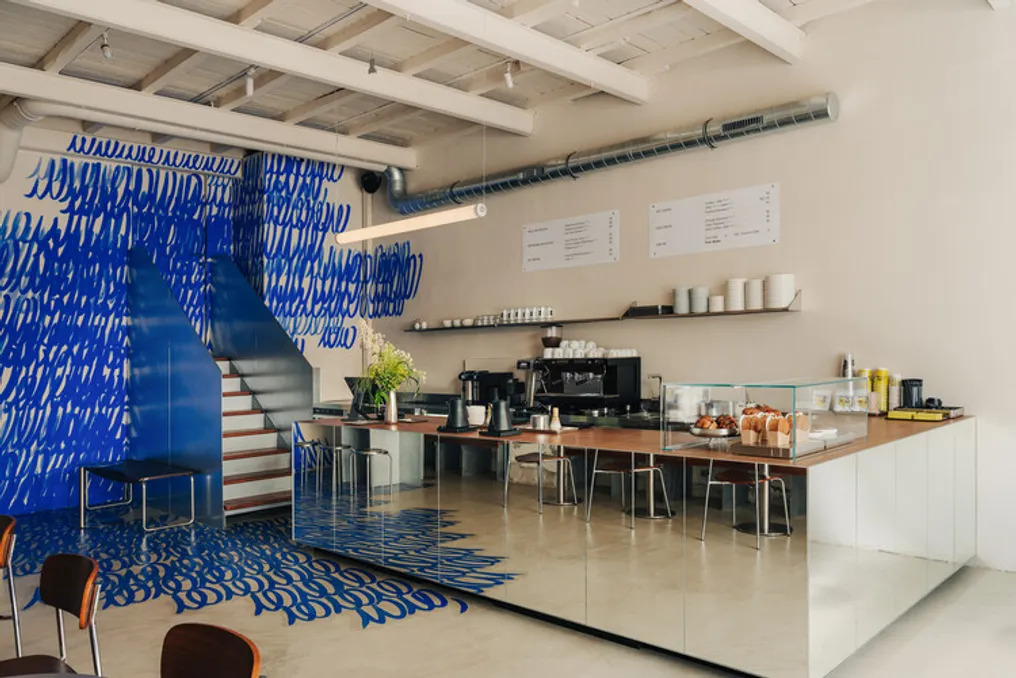
OkiDoki Matcha Bar: Minimalist Concept in Historic Building in Wrocław
Read more
ArchDaily Brasil
archdaily.com.br

OkiDoki Matcha Bar: Minimalist Concept in Historic Building in Wrocław

The OkiDoki Matcha Bar, which secured Third Place, is located inside the emblematic Feniks building, dated 1904, situated in Wrocław. This building was previously the Barasch Brothers Department Store and is located at Szewska Street, number 75.

The establishment features a minimalist matcha bar design. The project manages to integrate visible architectural heritage with a vibrant blue Yves Klein mural, thus establishing a modern urban refuge centered on the concept of 'communion in solitude.'

Historically, the location functioned as a fabric store, and this continuous tradition of personal expression through commerce was fundamental as a reference point for the development of this project.
Similar stories

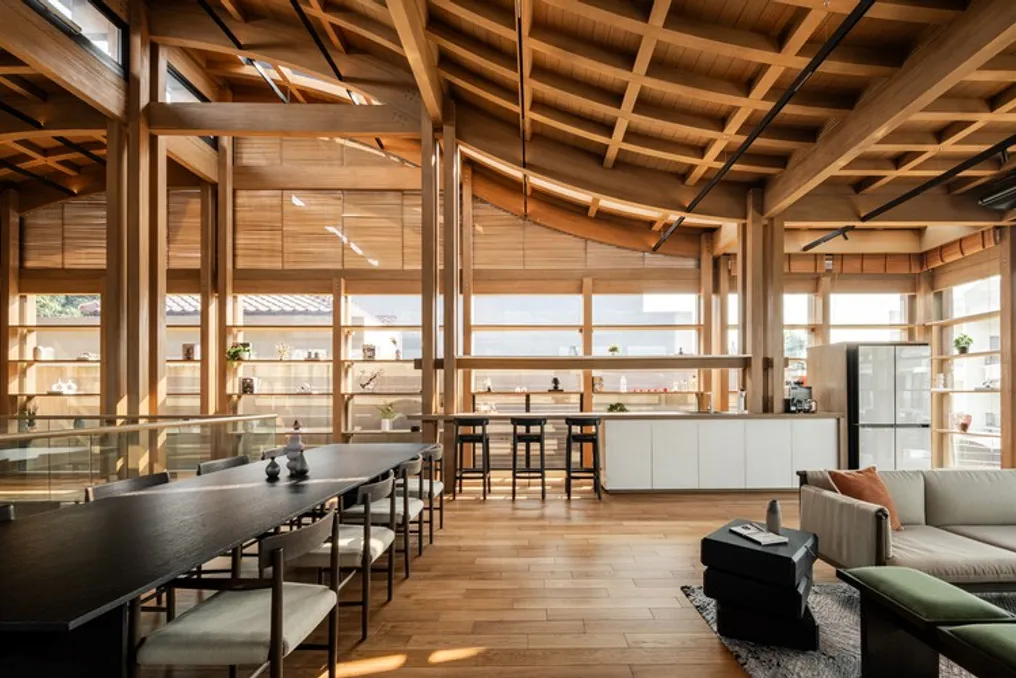
K-Thengono Design Studio designs wellness pavilion on narrow plot in North Jakarta
Read more
archdaily.com.br

K-Thengono Design Studio designs wellness pavilion on narrow plot in North Jakarta

K-Thengono Design Studio was commissioned to develop a sanctuary dedicated to well-being, located on a narrow lot next to a family home in the Pluit Samudra area of North Jakarta.

The central purpose of the project was to conceive a compact structure that placed primary focus on user well-being, ensuring its autonomous functionality relative to the main residence.

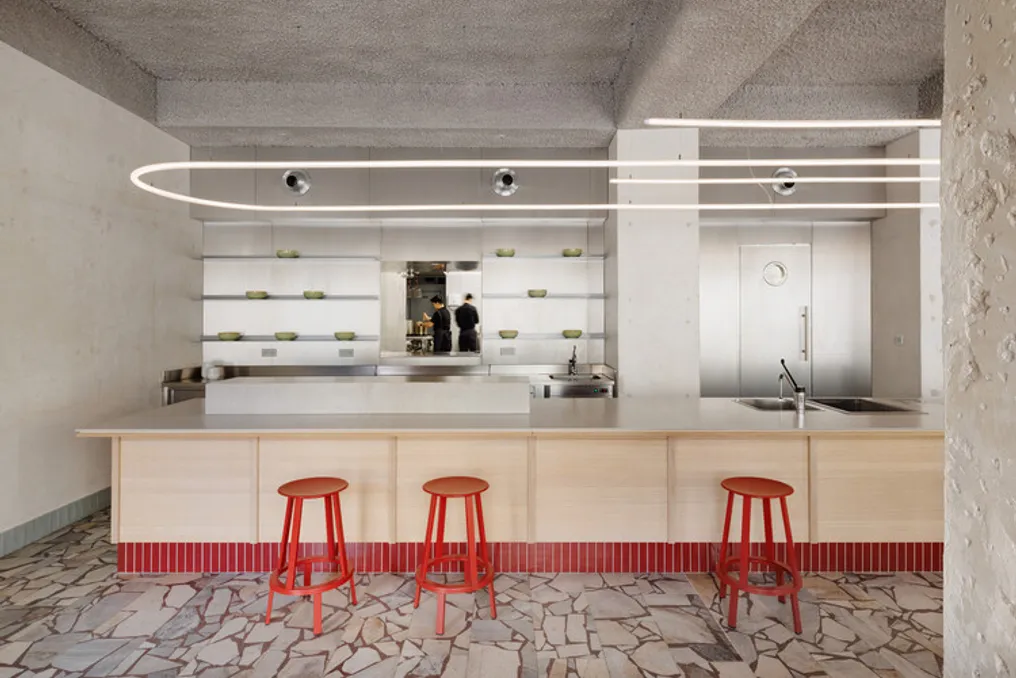
KOI / SOA Architekti Restaurant Located in the Historic Center of Košice
Read more
archdaily.com.br

KOI / SOA Architekti Restaurant Located in the Historic Center of Košice

Restaurante KOI / SOA Architekti is located in a corner building in the historic center of the city of Košice. Previously, this space was used first as a clothing store and then as a furniture store.

The business is run by a father and son. The father contributes personal experience, a strong sense of family tradition, and a willingness to integrate various culinary influences into the concept. The son, on the other hand, is responsible for the modern gastronomic approach, understanding the needs of a younger audience, and the energy of the urban space, which is intended not only for dining but also for social life throughout the day.

Popular