Iran proposes creating Avicenna Consortium with Tajikistan and Afghanistan
Read more
Tehran Times
www.tehrantimes.com

Iran proposes creating Avicenna Consortium with Tajikistan and Afghanistan

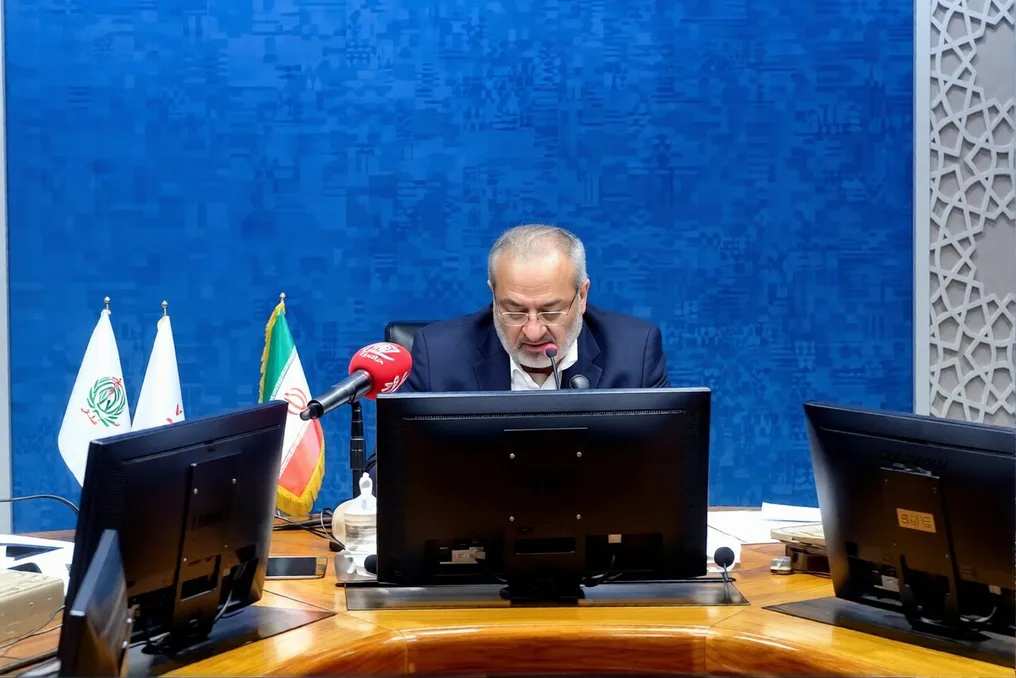
The Iranian headquarters dedicated to the development of traditional medicine and medicinal herbs has proposed establishing a trilateral consortium named Abu Ali Sina (Avicenna). This consortium will be created in cooperation with Tajikistan and Afghanistan to stimulate scientific, technical, and innovative interaction in the field of healthcare.

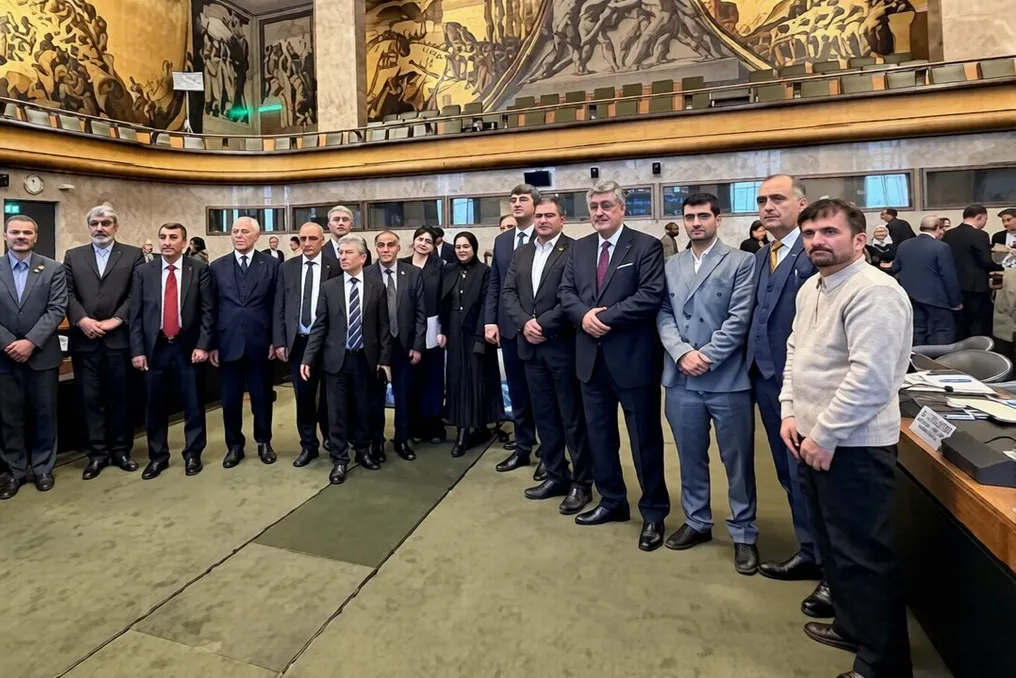
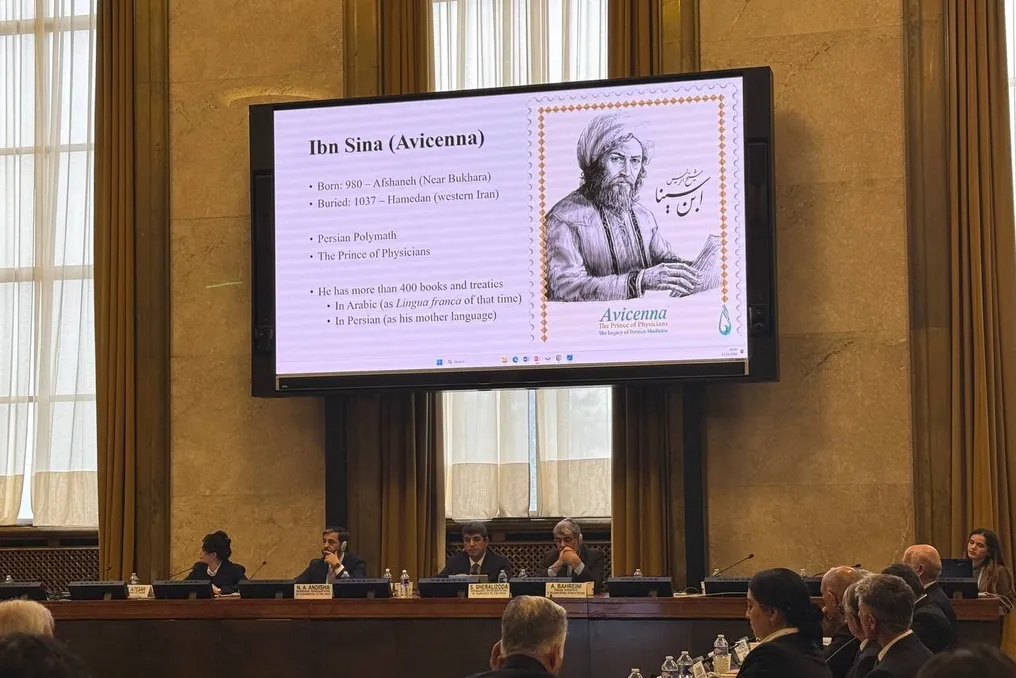
Hossein Rezaizadeh, head of this headquarters, emphasized the necessity of utilizing Avicenna's scientific and pharmacological heritage to expand regional scientific and technical cooperation, citing the common scientific, cultural, and historical opportunities of the three countries. He made these statements during the International Scientific Conference titled 'Abu Ali Sina and His Contribution to Shaping a New Scientific Worldview,' which took place in Geneva at the Palais des Nations on November 12.

The initiative aims to lay the foundation for targeted regional cooperation in healthcare, transforming shared scientific and historical ties into technological achievements. This will be achieved by leveraging the potential of universities, research centers, and knowledge-based companies in Iran, Tajikistan, and Afghanistan.

Key areas of the proposal include expanding joint research, documenting and re-examining medical and pharmacological sources, standardizing natural products, and strengthening cooperation in utilizing the potential of medicinal plants.

The proposed 'Avicenna Consortium for Science, Health, and Innovation' could serve as a common platform for organizing the scientific capabilities of the three nations, developing joint projects and programs in the healthcare sector, especially in traditional medicine, medicinal plants, and pharmacological heritage.

To implement this proposal, Rezaizadeh suggested forming a working group that would develop a three-year action plan to clarify priorities, the course of cooperation, and the implementation of a flagship joint project in the field of medicinal plants and pharmacological heritage.

The International Scientific Conference gathered representatives from diplomatic corps, international organizations, academic and research institutions, as well as distinguished scientists and researchers. Participants discussed Avicenna's significant contribution to the development of world science and philosophy, the importance of his scientific and intellectual legacy, and the role of his humanistic ideas in promoting dialogue between East and West.

Special attention was paid to preserving, studying, digitizing, and promoting Ibn Sina's scientific heritage, strengthening international scientific cooperation, and advancing the universal values of knowledge, enlightenment, rational inquiry, and intercultural understanding.

Addressing the event, the Iranian Ambassador and Permanent Representative to Geneva, Ali Bahreini, stated: 'Today the world is fighting against egocentrism, extremism, and division, and needs wisdom, scientific curiosity, and freedom from prejudice more than ever.' He noted that Avicenna, drawing upon Persian, Greek, and Indian intellectual traditions, opened new horizons in understanding humanity and the world. Bahreini added that his greatness lies not only in his scientific achievements but also in his open mind, intellectual humility, and commitment to truth and humanity. He concluded: 'Avicenna belongs to all ages. He is a bridge between East and West and a reminder that the highest form of power is the power of thought put into service of humanity.'

Persian Medicine

Persian medicine, one of the oldest systems of traditional medicine in the world, has a long history of scholarship associated with prominent physicians such as Razi and Avicenna. Its traditional structure places great emphasis on maintaining health, preventing diseases, and adopting appropriate lifestyles.

According to data previously published by the Ministry of Health, the country ranks third globally in the number of registered clinical trials in traditional medicine on the World Health Organization's International Clinical Trials Registry Platform (ICTRP), trailing China and India. The share of clinical trials in traditional and complementary medicine in Iran accounts for about three percent of all clinical trials registered in the country, while only about 0.3 percent of medical personnel are experts in this field. This report demonstrates the high potential of Iranian researchers in the direction of evidence-based medicine.

Persian traditional medicine strongly focuses on prioritizing health preservation and disease prevention over treatment. It is one of the most ancient forms of traditional medicine and is based on the concept of four humors: phlegm (Balgham), blood (Dam), yellow bile (Safrā’), and black bile (Sawda’). The concept of four humors is based on the teachings of Razi and Avicenna within a complex medical system.

Currently, approximately 30,000 plant species have been identified worldwide, of which Iran accounts for about 8,000 species, exceeding the total number of species found in Europe. About 500 experts provide medical and health services across the country, and over 1,000 general practitioners who have completed courses approved by the Ministry of Health also provide services.

Training experts in Persian medicine has always been a focus of the Ministry of Health. Therefore, various advanced training courses have been developed and conducted under its leadership.
Similar stories

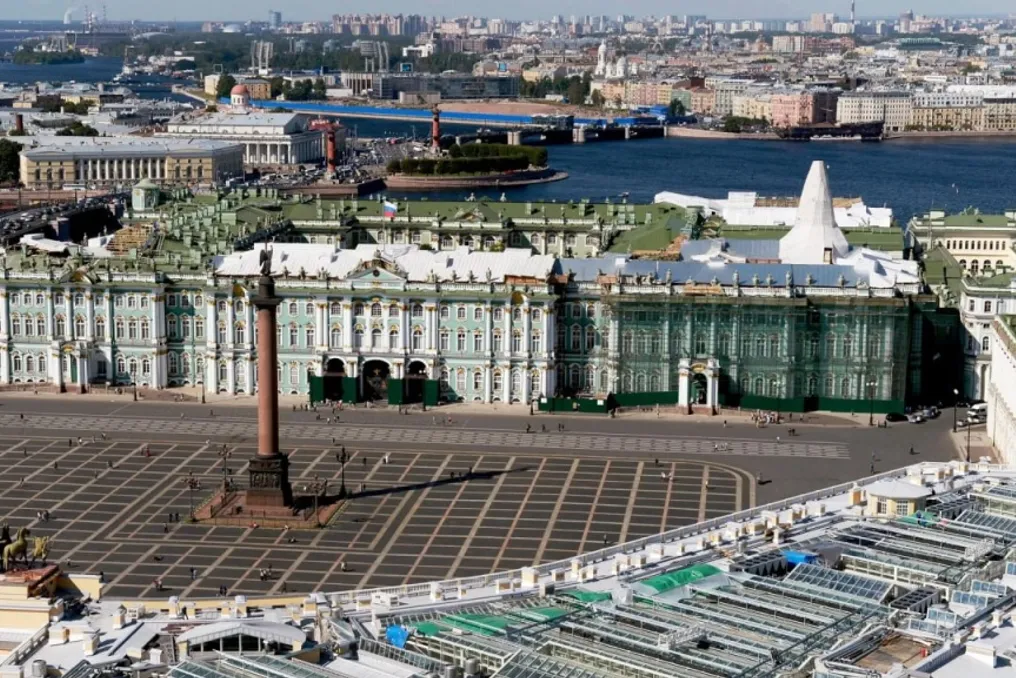
Uzbekistan's Center for Islamic Civilization is preparing cooperation agreement with the State Hermitage Museum
Read more
podrobno.uz

Uzbekistan's Center for Islamic Civilization is preparing cooperation agreement with the State Hermitage Museum

The Center for Islamic Civilization of Uzbekistan intends to deepen its partnership with Russian scientific and cultural institutions. A memorandum of cooperation with the State Hermitage Museum may be concluded soon, which opens prospects for joint exhibitions, research, and the implementation of museum projects.

Tursunali Kuziev, Scientific Advisor to the Director of the Center for Islamic Civilization, informed about this preparation. He specified that this agreement with the State Hermitage Museum will ensure the development of joint activities in scientific, cultural, and exhibition fields.

Kuziev made this statement during the III International Symposium 'Creating the Future,' which took place in Moscow and gathered representatives from more than one hundred countries.

Currently, the Center for Islamic Civilization already maintains contacts with several institutions, including the Institute of Oriental Manuscripts of the Russian Academy of Sciences, the Russian National Library, Kazan Federal University, the Spiritual Administration of Muslims of Russia, and the National Center 'Russia.'

According to Kuziev, the Uzbek side shows significant interest in the knowledge of Russian researchers specializing in the history of Central Asia, oriental manuscripts, archaeology, Islamic studies, and the history of fine arts.

Key areas of future interaction will include the study of archival documents, manuscripts, and historical sources. In addition, the parties plan to work together on archaeological projects and exchange experience in the museum sector, particularly in creating digital collections and modern multimedia products.

Kuziev emphasized that this is not about isolated events, but about forming a long-term partnership between scientists, museum specialists, and cultural organizations of Uzbekistan and Russia.

It was previously announced that Hermitage employees would assist in establishing a restoration department and a scientific research laboratory at the Center for Islamic Civilization to work with historical artifacts.

Iranian UN Ambassador: Avicenna's Legacy Highlights the Power of Knowledge in Service to Humanity
Read more
www.tehrantimes.com

Iranian UN Ambassador: Avicenna's Legacy Highlights the Power of Knowledge in Service to Humanity

On November 12 in Geneva, the International Scientific Conference titled 'Abu Ali Sina and His Contribution to Shaping a New Scientific Worldview' was held at the Palais des Nations. The event was attended by Ali Bahreini, the Iranian Ambassador and Permanent Representative of Iran in Geneva.

Speaking at the conference, Bahreini noted that the modern world faces egocentrism, extremism, and division, and currently requires wisdom, scientific curiosity, and the absence of prejudice.

He emphasized that Avicenna, drawing upon Persian, Greek, and Indian intellectual traditions, opened new horizons in understanding the world and humanity. According to Bahreini, Avicenna's greatness lay not only in his scientific achievements but also in his open-mindedness, intellectual humility, and commitment to truth and humanity.

Bahreini stated that 'Avicenna belongs to all centuries. He is a bridge between East and West and a reminder that the highest form of power is the power of thought directed towards serving humanity.'

The conference gathered representatives from the diplomatic corps, international organizations, academic and research institutions, as well as prominent scientists and researchers. Participants discussed Abu Ali Sina's (Avicenna's) significant contribution to the development of world science and philosophy, the importance of his scientific and intellectual heritage, and the role of his humanistic ideas in strengthening dialogue between Eastern and Western civilizations.

Special attention was paid to preserving, studying, digitizing, and promoting Ibn Sina's scientific heritage, strengthening international scientific cooperation, and developing universal values of knowledge, enlightenment, rational inquiry, and intercultural understanding.

Iran proposes creating a network for regional educational cooperation within ECO
Read more
www.tehrantimes.com

Iran proposes creating a network for regional educational cooperation within ECO

Iran has put forward a proposal to establish a network for educational cooperation within the Economic Cooperation Organization (ECO). The goal of this network is to stimulate the exchange of experience, joint research, and scientific and academic interaction among member states, utilizing existing capacities with minimal costs.

This proposal was presented by Education Minister Alireza Kazemi during the fifth meeting of the Board of Trustees of the ECO Educational Institute, which took place on Friday with the participation of education ministers from member countries.

Speaking at the meeting, Kazemi emphasized the common historical, civilizational, and cultural heritage of the region's peoples, asserting that the ECO zone is not merely a common geographical area, but a land with a shared history, civilization, culture, knowledge, and aspirations.

He stated that the task of the current generation is to transform this valuable heritage into an asset for building a future based on knowledge, education, and solidarity among nations. The minister views education not only as a tool for development but also as an investment in peace, sustainability, and the common future of states.

Kazemi also drew attention to the rapid development of technologies, artificial intelligence, the digital economy, and changes in labor markets, stressing the need to transform educational approaches. In his opinion, modern education must go beyond the simple transmission of knowledge and focus on nurturing capable, creative, and responsible individuals equipped with critical thinking and problem-solving skills.

Highlighting the potential of the ECO Educational Institute to become an active platform for regional cooperation, Kazemi outlined three Iranian initiatives to strengthen educational ties between member states.

The first proposal concerned the creation of an ECO educational cooperation network that would cover universities, teacher training institutions, and research centers across the region. Such a network, according to Kazemi, could facilitate the exchange of experience, joint research projects, and broader academic interaction by leveraging existing resources and incurring minimal additional costs.

The second proposal focused on expanding cooperation in new technologies and artificial intelligence in education. Kazemi noted that the region's countries should act not just as consumers of technology, but as partners in knowledge creation and the development of innovative educational solutions.

As the third priority, he named strengthening technical and vocational education, equipping youth with practical skills, and ensuring the right of children and adolescents to education during crises. He particularly stressed that no child should become a victim of war or crisis.

Kazemi also regarded the exchange of students, teachers, experts, and educational experience among member states as an important opportunity for regional interaction. These contacts, he said, go beyond academic cooperation and represent a form of educational diplomacy that promotes mutual understanding, unity, solidarity, and friendship among the region's peoples.

Expressing Iran's readiness to share its educational experience and capabilities with other ECO members, the minister called for translating joint decisions and agreements into practical cooperation. He added that the ECO Educational Institute can only become a true community of educational cooperation when its decisions lead to the creation of effective networks connecting teachers, schools, teacher training centers, and educational institutions in member countries.

Emphasizing the significance of knowledge and education in shaping the region's future, Kazemi concluded that the future of the ECO region will be determined not by wars and conflicts, but by knowledge, education, creativity, cooperation, and the will of its peoples. He urged member states to activate educational cooperation and transform the ECO Educational Institute into a symbol of the region's collective determination to achieve progress, peace, and development. In his view, sustainable peace must first germinate in the consciousness of future generations before it can take shape on geographical borders, and education is the most crucial means to achieving this goal.

Popular