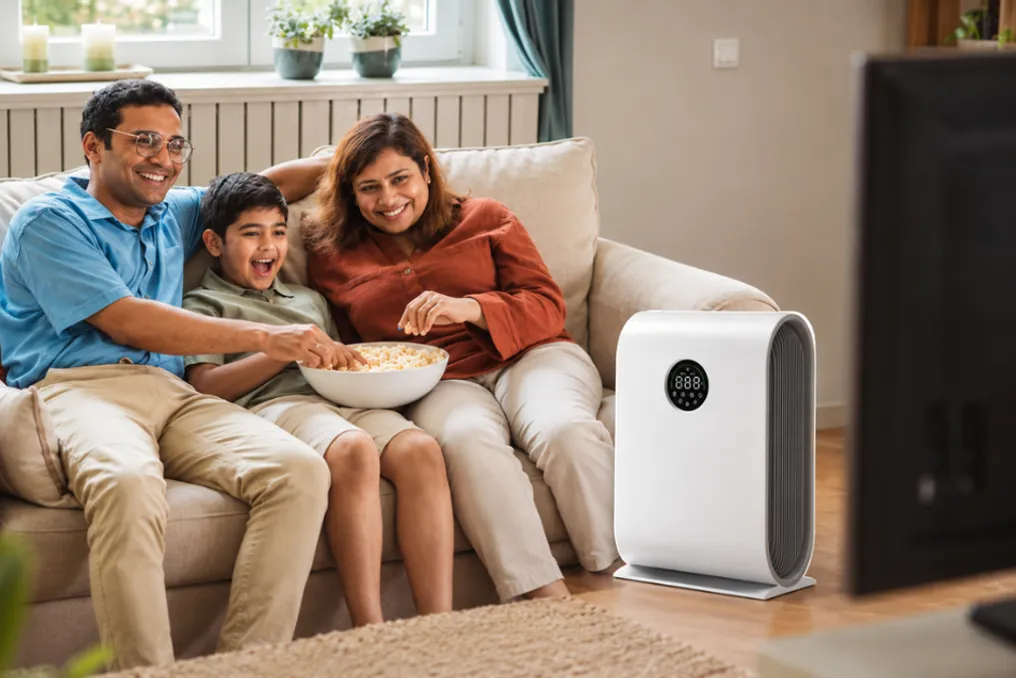
Air purifier sales are growing in India amid worsening pollution levels
Read more
The times of India
timesofindia.indiatimes.com

Air purifier sales are growing in India amid worsening pollution levels

Sales of air purifiers have sharply increased across India as deteriorating air quality stimulates consumer demand. Manufacturers and retailers note a significant rise in inquiries and purchases, especially following the Diwali festival.

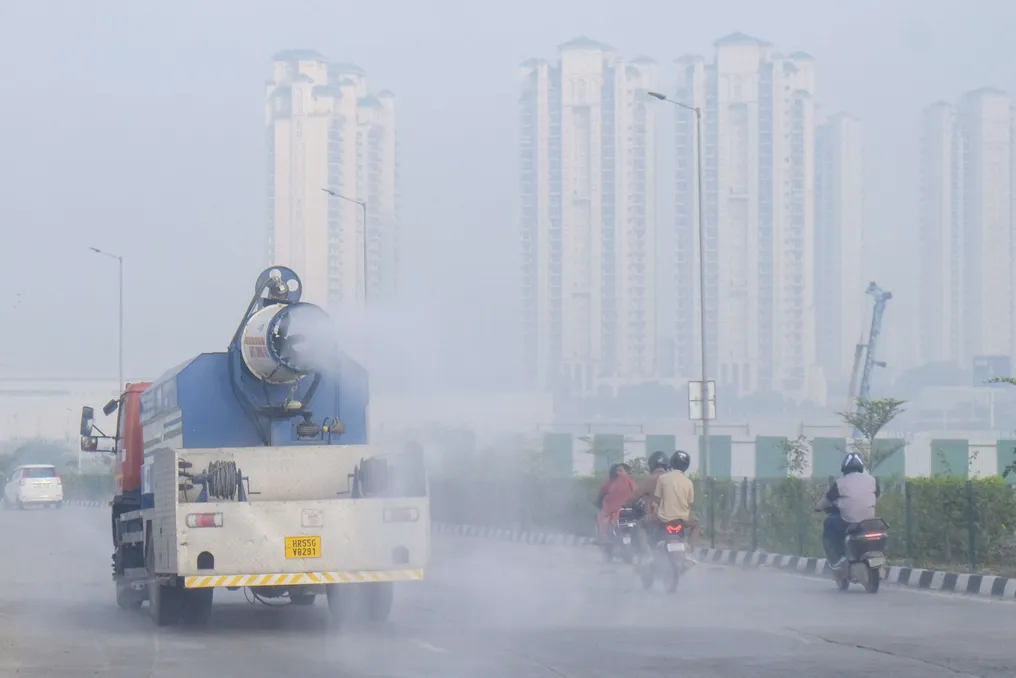
On Saturday, the Air Quality Index (AQI) reached 367, corresponding to the 'very poor' category. Out of 59 monitoring stations that provided data, 17 recorded 'severe' air quality, 38 reported 'very poor' levels, three stations showed the 'poor' category, and one registered 'moderate' air quality.

Similar stories

What to consider when buying an air purifier in the price range of 5,000 to 20,000 rupees
Read more
www.aajtak.in

What to consider when buying an air purifier in the price range of 5,000 to 20,000 rupees

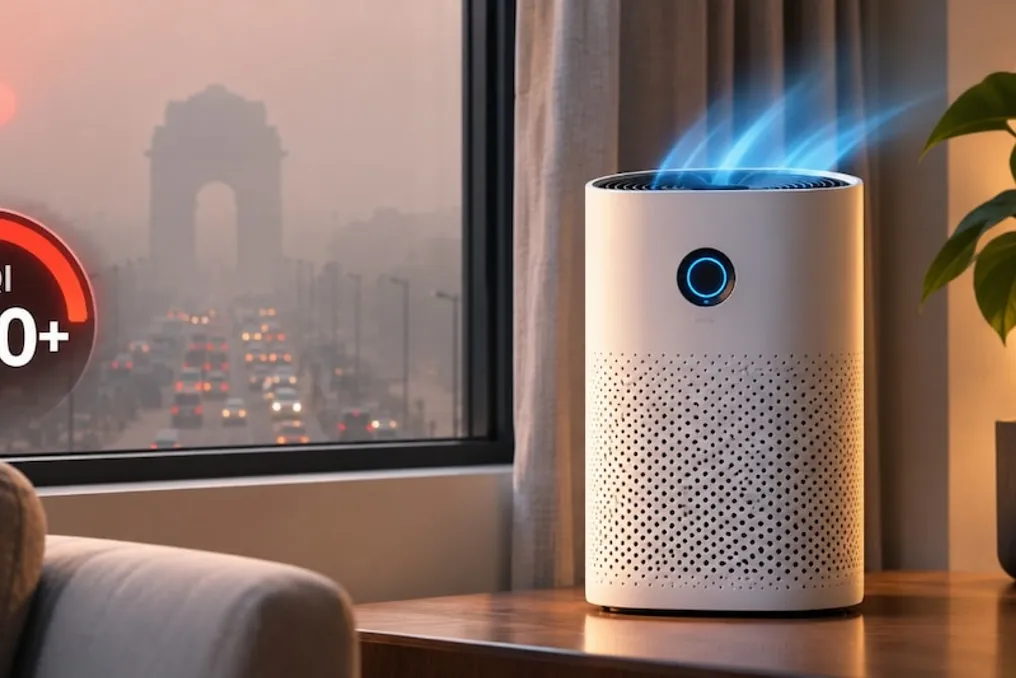
In conditions of severe air pollution in Delhi and NCR, caused by Diwali firework smoke, the air quality in several areas of Delhi, Noida, Ghaziabad, and Gurugram has reached critical levels. On government AQI monitoring stations, the reading exceeded 400, while some private applications showed readings of 1000 and above. Consequently, residents are closing windows and considering purchasing air purifiers.

However, the market offers numerous models of various prices and sizes. Some are advertised with HEPA filters, others claim multi-stage purification, and some boast the ability to clean large rooms. Therefore, a purchase decision based solely on brand or advertising may be mistaken. If you plan to buy an air purifier for your home this winter, it is crucial to understand the following points.

The most important parameter when choosing an air purifier is CADR, or Clean Air Delivery Rate. This indicator determines the volume of clean air the machine can provide per hour. The higher the CADR value, the faster the device can filter particles present in the room's air.

One should not rely solely on companies' claims about coverage area, such as 300, 400, or 500 square feet. Three factors are important: room area, ceiling height, and the machine's actual air cleaning capacity. For example, a room of about 200 square feet may require a CADR of at least 130 CFM, while a 300 square foot room requires about 195 CFM. These calculations are based on a standard ceiling height. In highly polluted regions like Delhi-NCR, it is better to choose a model with a slightly higher CADR relative to the room size. Using a small purifier in a large hall will yield limited effect.

The second critically important element is the presence of a HEPA filter, which helps capture fine particles such as PM2.5. PM2.5 poses a particular danger during winter pollution and fireworks smoke, as these particles can penetrate deep into the lungs along with breathing.

When purchasing, one must check whether the company clearly specifies the filter characteristics and its testing standards. One should not trust advertising claims such as 'HEPA-like technology' or '99.9% purification.' The actual performance of the filter, the machine's CADR, and its effectiveness in a specific room are more important.

An activated carbon filter will also be useful

While a HEPA filter is designed to capture airborne particles, it is insufficient for removing all types of gases or odors. An activated carbon filter can be useful here. If your area has problems with odors from traffic, smoke, or other sources, consider a model with a sufficient amount of activated carbon. However, it should be remembered that not every carbon filter can remove all types of gases, so you need to clarify with the company exactly which gases or odors it promises to reduce.

Find out the filter replacement cost in advance

When buying an air purifier, you must consider not only the price of the machine itself but also the cost of its filters. Most models require periodic filter replacement, and in the dusty and polluted conditions of Delhi-NCR, filters can become dirty quickly. Therefore, in addition to the stated filter lifespan, you should check how much a new filter will cost and how easily it can be found. Models might look attractive on Amazon and Flipkart, but if filter replacement is very expensive or unavailable, a cheap machine can turn into a high long-term cost.

Noise, electricity, and sensors are also important

Since an air purifier may run for many hours a day, attention should be paid to noise level and power consumption. Especially for the bedroom, it is recommended to choose a quiet sleep mode model. At the same time, keep in mind that the noise at maximum speed can be higher, so a decision cannot be made based only on the sound in sleep mode.

PM2.5 sensors and a display showing real-time air quality are useful features as they help understand changes in the room's air. Automatic mode allows the machine to automatically increase fan speed when pollution rises. Nevertheless, sensor readings do not guarantee air purity in all corners of the house.

Avoid machines that produce ozone

Some purifiers use ionization, plasma, or other methods. Before buying, ensure that the machine does not emit ozone. Ozone can cause irritation in the lungs and exacerbate respiratory problems. Preference should be given to models that purify air without generating ozone.

Can one purifier clean an entire house?

Generally, one machine works most effectively in the room where it is installed. If you spend most of your time in the bedroom, first buy a purifier suitable for that specific room. Relying on one small machine for a large house or multiple separate rooms will not bring significant benefit. It is also important not to place the machine right against a wall, curtains, or furniture; free airflow must be ensured.
How to choose a suitable air purifier for the home amid growing pollution
Read more
thebetterindia.com

How to choose a suitable air purifier for the home amid growing pollution

As winter approaches, air quality in many Indian cities is becoming a serious concern. Morning smog, hazy skies, and rising pollution levels often prompt families to consider the air they breathe at home. Consequently, an air purifier is no longer seen as a luxury item but as a necessary element for the living room or bedroom.

However, when visiting stores or browsing online catalogs, one might encounter purifiers that promise everything: from cleaner air to near-complete particle removal. The term HEPA is frequently encountered. This raises the question of what it actually means and how to determine if the chosen purifier will accomplish the task.

Below are five aspects that should be checked before purchasing.

Understanding HEPA Technology

HEPA stands for High-Efficiency Particulate Air, which translates to high-efficiency particulate filter. Simply put, it is a filter designed to capture the smallest particles suspended in the air as it passes through.

According to data from the U.S. Environmental Protection Agency (EPA), a HEPA filter can theoretically remove at least 99.97% of airborne particles measuring 0.3 microns. For comparison, a micron is one-millionth of a meter. These particles can include fine dust, pollen, mold spores, and smoke particles. This makes HEPA filtration particularly useful when external pollution enters the premises, or when issues with household dust and allergens arise.

Nevertheless, not every product labeled HEPA meets this standard. Terms such as 'HEPA-type' or 'HEPA-like' do not guarantee compliance with recognized HEPA performance specifications on their own. It is necessary to look for a clearly stated filter class and accompanying performance information, rather than relying solely on the word HEPA.

Choosing a Purifier Suitable for the Room

Imagine you bought a powerful purifier for the bedroom but find it cannot clean the air in a larger living room. The problem may not lie with the filter itself, but with the volume of air the device can process. This is where the CADR, or Clean Air Delivery Rate, comes into play. It indicates the volume of filtered air the purifier provides over a specific period. Generally, a higher CADR means the machine can clean the air faster, provided the room size and other conditions are comparable.

Even a purifier with a highly efficient filter can be ineffective in a large space if its airflow is insufficient. You should compare the manufacturer's recommended room size and CADR with the space where the purifier is planned to be used. A bedroom and an open living area may require different levels of power.

Limitations of HEPA Filters

It is important to remember that HEPA filters are designed to capture particles, not to remove all types of air pollutants. They themselves do not eliminate most gases, volatile organic compounds (VOCs), or odors. For instance, cooking can release particles into the air, while some paints, cleaning agents, and new furniture can emit gaseous chemicals.

A filter with activated carbon can help adsorb certain gases and odors. This is why some purifiers combine HEPA filtration with activated carbon to combat various types of indoor pollutants. When choosing, you should check the manufacturer's technical specifications to understand exactly what the purifier is intended for.

Checking the Cost and Availability of Replacement Filters

Purchasing the device itself is only the first expense. Filters accumulate particles over time and eventually require maintenance or replacement to maintain the purifier's effective operation. Replacement intervals vary depending on the model, usage frequency, and the level of environmental pollution. A filter used during a heavily polluted winter may require attention sooner than one used in cleaner conditions.

Before buying, you need to ascertain the cost of a compatible replacement filter, its availability, and the manufacturer's recommended replacement interval. You should also check which parts can be cleaned and which must be replaced.

Analyzing Models Beyond Just the Filter

A good filter is important, but the machine itself matters too. Noise levels can affect comfort during nighttime operation, and energy consumption affects the electricity bill if the device is used for many hours a day. It is also worth reviewing safety information from the manufacturer. Some air purification technologies, particularly devices that generate ozone, can lead to the creation of pollutants rather than simply removing them.

When comparing models, consider noise level, energy consumption, warranty, customer service support, and safety technical specifications. Choose a model that you can comfortably operate and maintain according to recommendations.

As pollution levels rise, the desire to make the air in the home a little cleaner is understandable. For families, this may mean paying closer attention to the air their children breathe, to bedrooms where everyone sleeps, and to spaces where they spend most of their day. An air purifier can become part of these efforts. By spending a little time researching the filter, selecting the right model, and maintaining it properly, you can make a more informed decision for your home. After all, clean indoor air starts with understanding what you are letting inside.

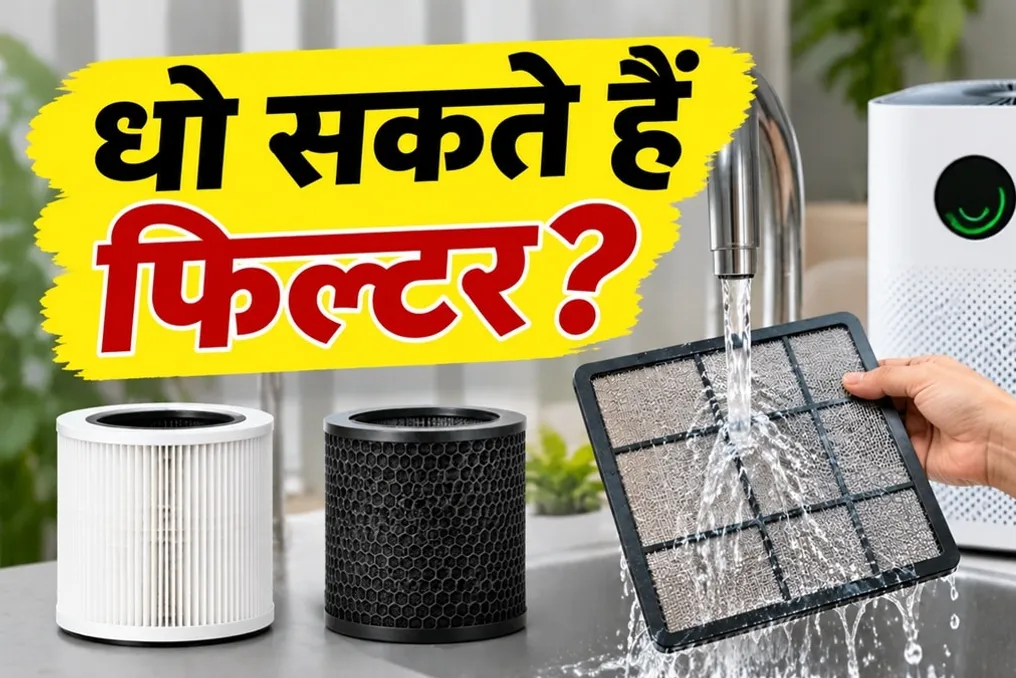
Can an air purifier filter be cleaned with water: tips for saving money
Read more
www.aajtak.in

Can an air purifier filter be cleaned with water: tips for saving money

In the Delhi-NCR regions, air pollution levels have exceeded the 400 mark, which is a dangerous indicator. In many cities, including Delhi, people use air purifiers to improve air quality in their homes, and there are many different models available on the market.

Most residents of India purchase air purifiers, but they often fail to clean or replace filters regularly, leading people to face poor air quality.

Many wonder whether it is possible to clean an air purifier filter using water. It is important to know the details of this issue.

It is necessary to clean air purifier filters regularly to ensure clean air. Furthermore, pre-filters used in air purifiers can be washed with water.

However, HEPA and activated carbon filters located inside air purifiers cannot be washed with water. Some purifiers with electrostatic filters allow water to be used for their cleaning.

Popular