Motherson plans to expand its presence in India using global technologies to drive growth
Read more
Business Standard
business-standard.com

Motherson plans to expand its presence in India using global technologies to drive growth

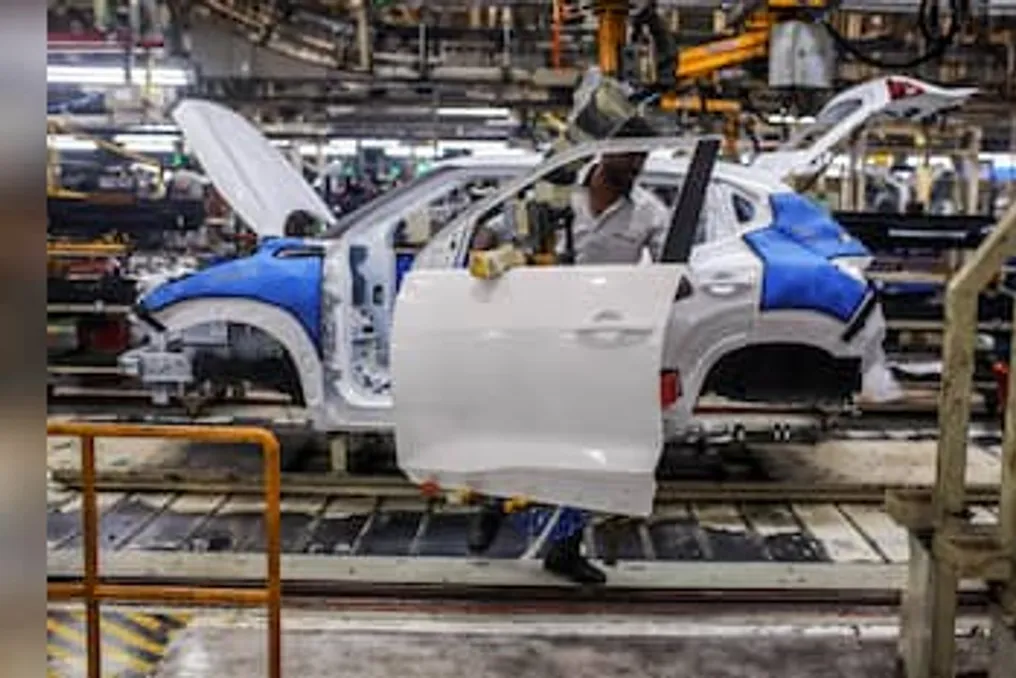
Samvardhana Motherson International Ltd (SAMIL), a major auto component manufacturer, intends to leverage technologies gained from global expansion to capitalize on emerging opportunities in the Indian automotive market. The growing demand for advanced solutions is driven by rising product standards and the transition to stricter emission norms.

This strategy is part of the company's broader goal—Vision 2030—which aims to achieve a gross revenue of $108 billion by 2029–2030. Pankaj Mittal, Director and President, and Gandharv Tongia, Group CFO, presented the company's growth priorities in an interview with PTI.

These priorities include integrating globally acquired technologies into India, expanding presence across various business segments and geographies, and strengthening customer relationships. Mittal noted that India's growth will have a significant positive impact on the company, as it possesses numerous technologies, product quality in the country is improving, and the nation is moving towards the latest emission standards.

He added that through acquisitions, the company has gained access to new technologies that meet global standards and can now offer them to the Indian market as best-in-class solutions.

Regarding internal growth, Tongia reported that the Indian automotive industry has shown double-digit growth since the easing of GST, and the company expects this momentum to continue. He emphasized that structurally, India is a powerful consumer hub, and growth will persist.

Tongia also mentioned that Motherson maintains a strong balance sheet and order book supported by both organic and inorganic business expansion, contributing to the long-term revenue target. The company is targeting a gross revenue of $108 billion by 2030, and Tongia expressed optimism about the prospects.

Mittal clarified that the acquisition strategy will continue to be dictated by customer needs. If solutions cannot be provided independently by the group, joint ventures or acquisitions are being considered. Most such acquisitions have been initiated by clients.

The group is also striving to reduce dependence on demand fluctuations in individual markets by diversifying across automotive segments, geographies, and new verticals, while increasing vehicle content and attracting new customers. Strategy 3CX10 is being implemented, which ensures diversification, allowing for solutions to be found in other segments or markets if one experiences a downturn.

Concerning the rise in copper prices, Tongia explained that in the wire harness manufacturing business, which accounts for about 30 percent of the group's revenue, contractual agreements allow for passing on changes in input costs to customers quarterly or semi-annually. Therefore, he stated that no significant impact on profitability due to copper prices is expected.
Similar stories

Prime Minister Modi opens 'Kosmos', the country's first LED dome planetarium, in Mysuru
Read more
www.aajtak.in

Prime Minister Modi opens 'Kosmos', the country's first LED dome planetarium, in Mysuru

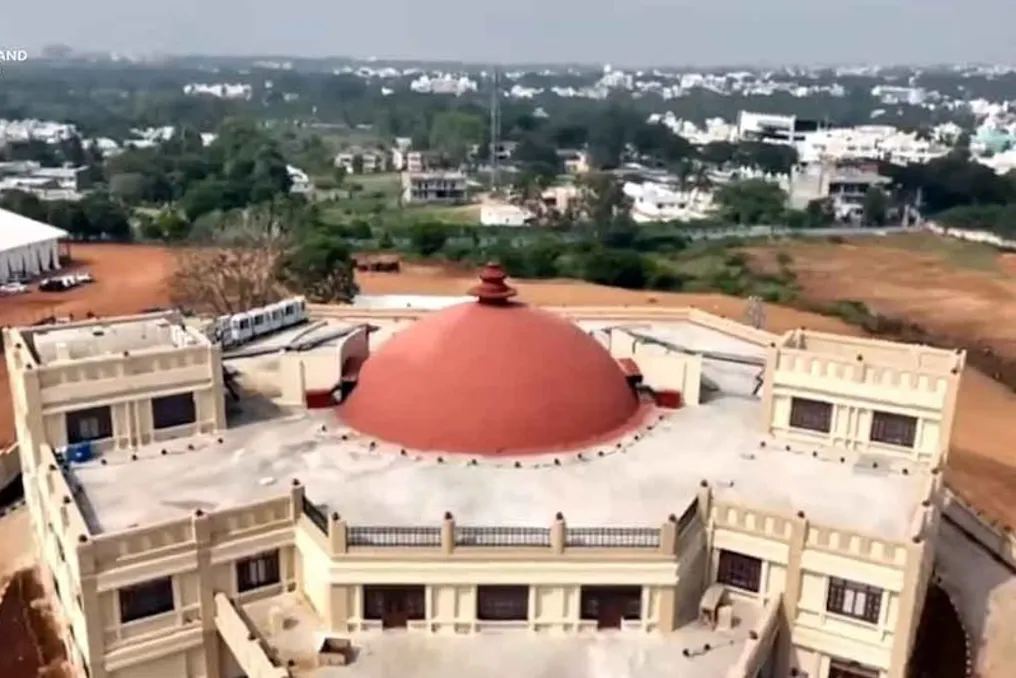
Prime Minister Narendra Modi inaugurated 'Kosmos'—India's first LED dome planetarium, located at the foot of Chamundi Hill in Mysuru. This modern installation was dedicated to the youth and citizens of the country.

After viewing the show inside, the Prime Minister described the experience as a 'stunning experience.' He noted that while India achieves numerous successes in science, this ultra-modern planetarium in Mysuru adds a new chapter to the nation's scientific journey.

Modi recalled that the Wadiyar family played a significant role in establishing the Indian Institute of Science in Bangalore. Such institutions have provided opportunities for growth to students and researchers across generations. He congratulated the Indian Institute of Astrophysics, the University of Mysuru, various government departments, and everyone involved in the construction, while wishing the entire country success in this endeavor.

Mentioning Atal Bihari Vajpayee, the Prime Minister stated that Vajpayee added 'Jai Vidyan' (Glory to Science) to the slogan 'Jai Jawan, Jai Kisan' (Glory to the Soldier, Glory to the Farmer). Subsequently, he himself added 'Jai Anusandhan' (Glory to Research). India of the 21st century is moving forward according to this vision, and young people are demonstrating outstanding results in this area.

Last year, India hosted the International Olympiad in Astronomy and Astrophysics in Mumbai, which saw active participation from youth. Preparations are currently underway for the next phase of this event. This planetarium is not just a modern building but a means of disseminating science to the general public, especially the youth.

Thanks to LED dome technology, scenes of the sky and cosmos can be displayed very vividly. This will increase students' interest in astronomy and research. In a historic city like Mysuru, this installation also demonstrates the fusion of science and culture.

From the Prime Minister's words, it is clear that the government prioritizes science and research. The motto 'Jai Anusandhan' motivates the youth towards innovation and new discoveries. The 'Kosmos' planetarium is a practical embodiment of this idea. Students and ordinary citizens visiting it will be able to get closer to the world of space. This will contribute to the development of scientific thinking and the strengthening of the country's next generation.

This project in Mysuru serves as a good example of cooperation between local institutions and the central government. The role of organizations such as the Indian Institute of Astrophysics and the University of Mysuru was significant. Such efforts help ignite the flame of science in different parts of the country. On this occasion, the Prime Minister congratulated the entire nation and highly appreciated the enthusiasm of the youth.

The opening of 'Kosmos' is a symbol of India's scientific progress. It is a source of pride not only for Mysuru but for the entire nation. This installation, dedicated to the youth, will prepare many inquisitive minds in the coming years who will take the country to new heights in science and research.

Experts Discuss Reasons for Farmer Income Stagnation Despite Record Harvest in India
Read more
www.aajtak.in

Experts Discuss Reasons for Farmer Income Stagnation Despite Record Harvest in India

Despite achieving record yield figures in the country, farmers' incomes remain low. This issue is recognized as one of the most serious problems in the agricultural sector. Although India holds leading positions in the global production of many crops and dairy products, farmers often do not receive a fair price for their produce.

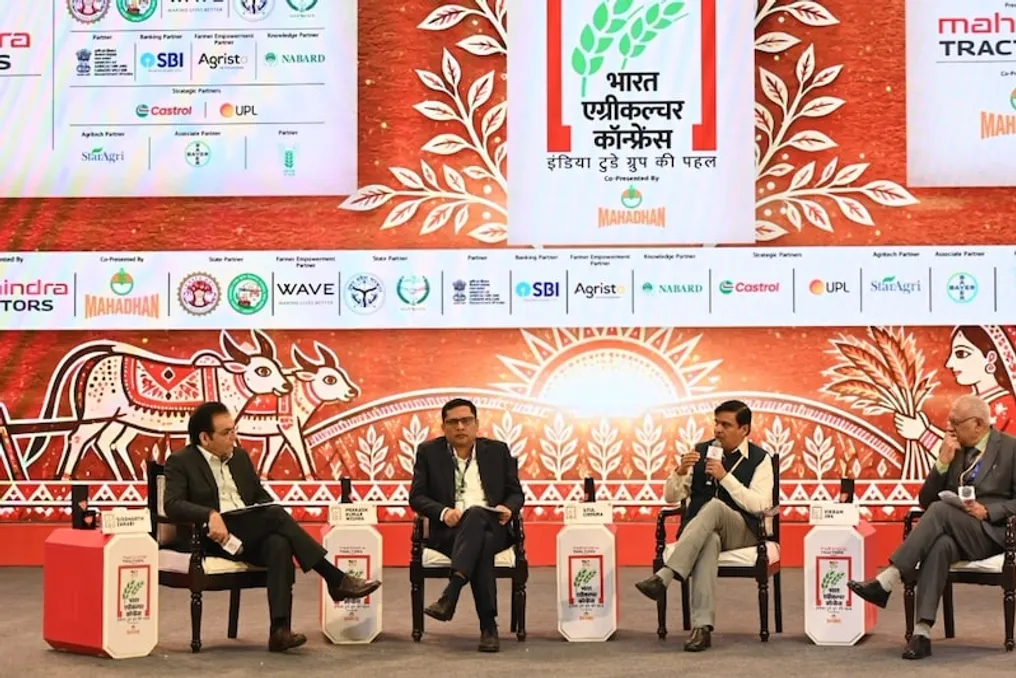
The reasons for this include situations where overproduction leads to price drops, as well as a mismatch between crop demand and market conditions. These issues were discussed at the session 'Increased Harvest, Doubled Income' within the 'Farmer to India Agroconference 2026,' organized by India Today Group at Barat Mandapam, Delhi.

Experts participated in this session, including NITI Aayog Vice President Dr. Ashok Lahiri, Professor Dr. Ashok Gulati from Infosys Chair ICRIER, former Director of Institute of Economic Growth Delhi Dr. Bina Agarwal, and NABARD Chairman Dr. Shaji Krishna V. They presented their views on ways to increase farmers' incomes.

Dr. Ashok Lahiri noted significant progress in Indian agriculture, comparing the current situation to the state of the 1960s when the country faced food shortages. He emphasized that despite successes in rice and wheat production, the key problem remains low farmer income.

Lahiri pointed to the imbalance between the population engaged in agriculture and the sector's contribution to GDP. About 46 percent of the country's population works in agriculture, while its contribution to GDP is only about 16-17 percent. This leads to low productivity and per capita income in the agrarian sector. He proposed solving this problem on two levels: increasing agricultural productivity and income, and creating jobs in industry and services for a portion of the population dependent on agriculture.

Professor Dr. Ashok Gulati drew attention to the problem that overproduction leads to a decrease in market prices. Farmers find themselves in a difficult situation: increasing production threatens price drops, while reducing it means reduced earnings. Gulati noted that India is one of the world's largest producers and exporters of rice, accounting for about 40 percent of global exports. Nevertheless, the country has significant grain reserves, and about 810 million people receive free grains.

He suggested that overproduction with limited demand puts pressure on rice prices. Dr. Gulati recommended shifting some land designated for rice cultivation to pulses and oilseed crops. Since India is a major rice exporter but an importer of pulses and vegetable oil (importing about 50-60 million tons of pulses annually), it is necessary to focus on increasing domestic production of these products.

Dr. Gulati also commented on the influence of the existing subsidy system on farmers' crop choices. In his opinion, most subsidies for fertilizers and electricity are directed towards crops such as rice, wheat, and sugarcane, while pulses receive less support. He proposed introducing a financial incentive of approximately 35 thousand rupees per hectare for farmers growing pulses in states like Punjab and Haryana, as an alternative to rice farming subsidies. This could motivate farmers to switch to pulses and reduce the country's dependence on imports.

Gulati also questioned the policy of using rice for ethanol production. He believes that given the large rice reserves in the country, the use of surplus rice for ethanol production requires reconsideration, considering the economic cost of rice and the price of the resulting ethanol. He concluded that simply increasing production is not enough to raise farmers' incomes; government policy and incentive systems must be adjusted.

Dr. Bina Agarwal emphasized strengthening the collective power of farmers. She stressed that instead of fighting problems individually, farmers can unite in groups to address common issues. When farmers collectively present their needs and difficulties, their demands reach the government and institutions more effectively. This also promotes the more effective adoption of new technologies and necessary amenities.

Prime Minister Modi announced high economic growth in India despite the Middle East crisis
Read more
business-standard.com

Prime Minister Modi announced high economic growth in India despite the Middle East crisis

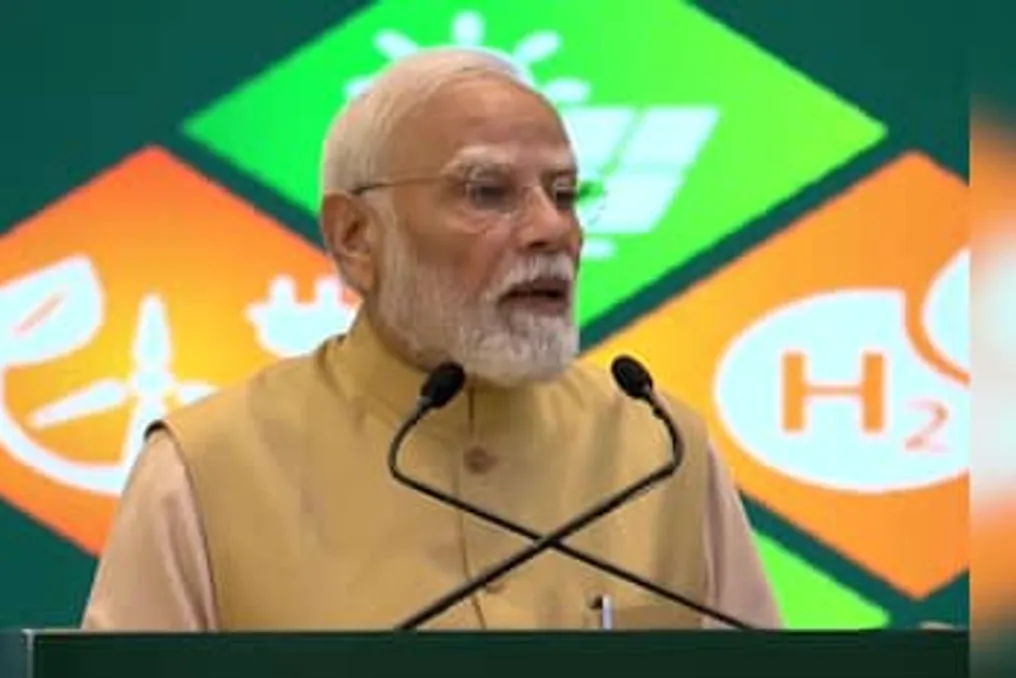
Prime Minister Narendra Modi emphasized on Monday that India's economic growth remains at a high level, despite the ongoing crisis in the Middle East. He also highlighted the need to accelerate the country's transition to clean energy and strengthen domestic energy storage capabilities.

Speaking at the 'Bharat Renewable Energy Summit', Modi stated that India is among the top three global leaders in solar and renewable energy. He defined clean energy as the foundation of future energy security and called for wider adoption of solar energy in government institutions and public infrastructure.

Modi noted that over 44,000 government buildings are already connected to solar energy, resulting in an annual saving of approximately 700 billion rupees. He insisted that this program must be expanded to cover every government building, school, college, hospital, and street lighting system.

He stated: 'We need to connect every government building, school, college, hospital, and street lighting system to solar energy.' Furthermore, the Prime Minister called for developing indigenous energy storage solutions and increasing battery storage capacities to support India's transition to clean energy. Modi added: 'We need our own storage solution, and we must develop new battery storage capacities.'

The summit took place in New Delhi from November 2 to 5 and aims to bring together politicians, investors, and industry leaders to discuss technologies, investments, and partnerships in the field of clean energy.

Popular