
Generation Z prefers time spent alone over attending others' events
Read more
Aaj Tak
www.aajtak.in

Generation Z prefers time spent alone over attending others' events

In the past, people felt anxious if they couldn't attend a party, trip, or event with friends, fearing they might miss something important. This fear is known as FOMO, or Fear of Missing Out. However, among Generation Z, a new trend is emerging, called JOMO, or Joy of Missing Out. This means that instead of being upset about not participating in a plan or event, young people enjoy their free time.

Now many young people prefer to spend time alone rather than being everywhere at once.

JOMO stands for Joy of Missing Out. The essence is that if you cannot be part of a party, trip, or friends' plans, you do not feel sad. Instead, you take pleasure in relaxing at home, watching movies, or engaging in favorite activities. It also involves understanding one's own needs rather than comparing one's life to others'.

Generation Z has begun to realize that attending every party, meeting, or trip is not mandatory. Sometimes they decline plans simply because they don't feel like it. They prefer to refuse without regret, believing that valuing personal preferences is more important than trying to please others.

Social media has played a significant role in amplifying FOMO. By viewing friends' photos from parties, vacations, and luxurious lives on Instagram, some people started to think that something unimportant was happening in their own lives. Seeing others having fun, they wanted to be everywhere. But now some young people prefer to focus on their real lives instead of keeping up with others' lives on social media.

For Generation Z, time spent alone is no longer synonymous with boredom. Many young people enjoy reading books, watching favorite series, cooking, or simply relaxing at home. They believe that constantly being among people is not necessary. Sometimes time spent with oneself can bring a sense of satisfaction.

Due to constant work, studying, social media, and planning meetups with friends, youth sometimes lack time for themselves. In such cases, they prefer to skip some plans to conserve energy and reduce fatigue. For them, maintaining peace of mind and caring for their own needs is more important than being present everywhere.

The trend moving from FOMO to JOMO demonstrates that Generation Z seeks to escape the pressure of having to be part of everything. At the same time, this does not mean that young people dislike meeting friends or going out; they just want to decide when they need to go out and when to spend time alone. For them, skipping a plan can become an opportunity to dedicate time to themselves, rather than a loss.
Similar stories

Generation Z experiences joy from canceled plans
Read more
www.aajtak.in

Generation Z experiences joy from canceled plans

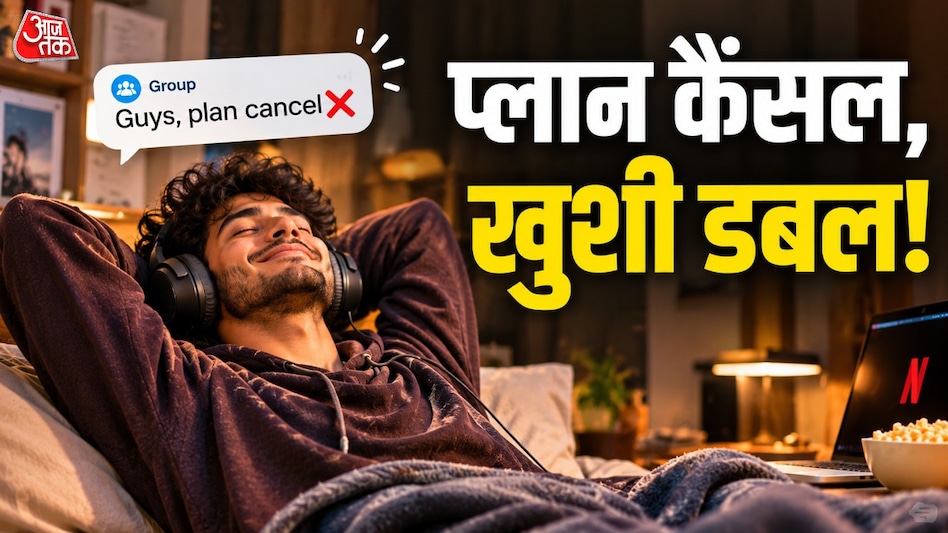
Planning outings with friends, attending parties, or having weekends away sounds appealing. However, when such plans are canceled at the last minute, members of Generation Z often feel an internal joy instead of sadness. They perceive this as an opportunity to relax at home, engage in favorite activities, or spend time without any pressure.

This phenomenon is often referred to on social media as 'plan cancellation relief.'

Life for Generation Z is characterized by constant hustle between studies, work, and other responsibilities. Under these conditions, preparing to go out, even on a weekend, can be exhausting. When a plan is canceled, they are given a chance to stay home, watch a movie, listen to music, or simply rest, which is a source of joy for many young people.

Not everyone enjoys being around people. After extended meetings with friends, colleagues, and others, a person may feel the need to be alone. This state is often called social battery depletion. In such cases, plan cancellation can bring mental relief to Generation Z.

Sometimes people agree to plans simply because they don't want to disappoint their friends. But when such a plan is canceled, the anxiety about needing to respond to someone or prepare to go out disappears. They can spend their day as they wish.

It is not always like that. Joy from canceled plans does not mean that Generation Z dislikes socializing with friends. Sometimes they just enjoy spending time according to their mood and convenience. For them, both socializing with friends and time alone have their importance.

Generation Z does not necessarily have to fill every free moment with some plan; a canceled plan sometimes brings them peace and the opportunity to be alone with themselves.

Generation Z faces difficulties in leisure due to feelings of guilt over unproductive time
Read more
www.aajtak.in

Generation Z faces difficulties in leisure due to feelings of guilt over unproductive time

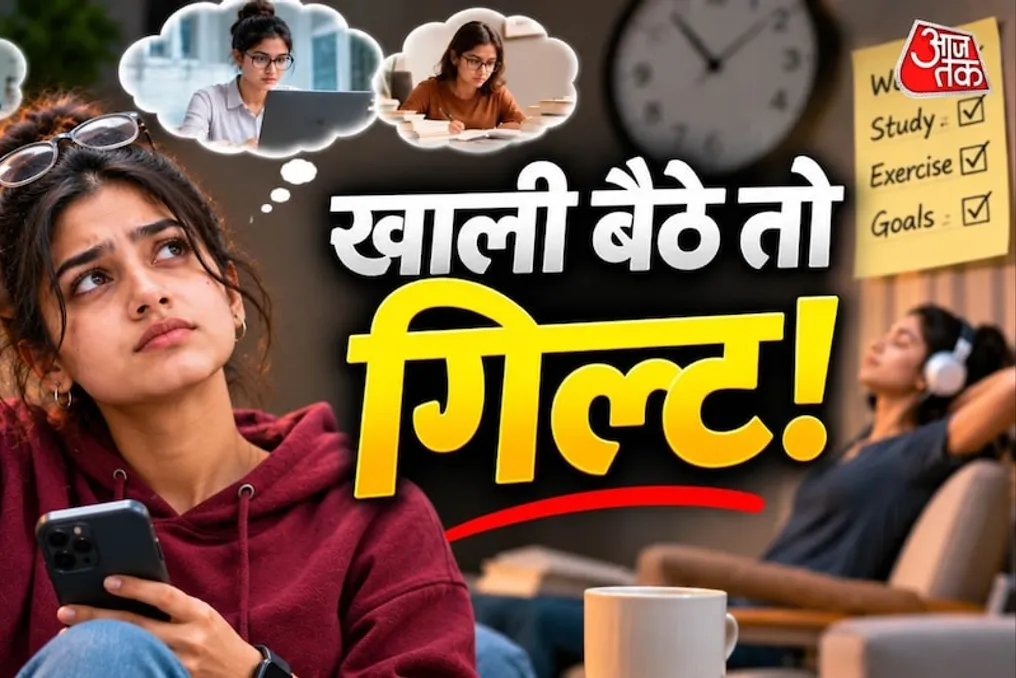
In the fast pace of modern life, it has become difficult for many young people to simply do nothing. Instead of relaxing after work, watching a movie, or just lying down, they often wonder what they could be doing during that time. Even when observing others on social media who are studying, working, exercising, or acquiring new skills, young people feel like they are wasting their time. This state is called 'productivity guilt.'

Why does anxiety arise even during rest? One reason for this mindset among Generation Z is the constant pressure to remain productive. Today's youth believe they should be acquiring new skills in addition to studying or working, paying attention to physical fitness, and advancing their careers. In such conditions, when they are resting, they feel like they are falling behind others.

A study published in the Journal of College Student Development in September-October 2025 surveyed 280 college students. It found that while students recognize the need for rest for studying and work, they experience guilt when stopping work to rest. According to the study, anxiety about unfinished tasks, as well as obligations related to studies, work, and other areas, prevents them from resting. Many students only realize the need for a break when they start experiencing fatigue, headaches, or vision problems.

It is important to understand that constant busyness does not guarantee success. Ensuring rest for the body and mind is equally important. Idleness does not always mean wasting time; sometimes it is necessary to spend time alone without doing anything specific. Generation Z needs to understand that they do not have to achieve something at every moment of life. Rest is not laziness; it is taking care of one's own needs.

Popular