Eternal revises goal for fully electric fleet by 2030 due to fleet expansion
Read more
Business Standard
business-standard.com

Eternal revises goal for fully electric fleet by 2030 due to fleet expansion

Eternal, the parent company of Zomato and Blinkit, is revising its plans to achieve a 100% transition to electric transport in deliveries by 2030. This change is linked to the rapid growth of the business and the development of the electric vehicle ecosystem.

In an interview with PTI, Eternal's Head of Sustainability, Anjali Ravi Kumar, stated that the company is working on an updated timeline, taking into account the availability of electric vehicles, government policies, and the transportation needs of various business verticals.

Kumar emphasized the company's unwavering commitment to electrifying its fleet, noting that it remains economically viable. However, she acknowledged that the initial deadline might be unattainable due to the significant expansion of operations since the goal was set.

She cited an example of growth: when the initial goal was set, Zomato had only 1.5 lakh active monthly users, whereas today the total number of users for Zomato and Blinkit has reached 12 lakh.

Forecasts and New Transport Requirements

Regarding the possibility of setting a new deadline, possibly by 2035, Kumar said the company is working to determine a date that will depend on the pace of electric vehicle policy implementation at the governmental level. She expressed hope but noted that the Eternal group includes other verticals, such as Hyperpure, which actively uses trucks and small commercial vehicles for goods delivery.

Therefore, the new electrification target for the Eternal group must consider all types of transport, not just the two-wheeler segment. The company must set goals for the entire group, not for individual enterprises.

Despite the challenges, the company noted that its own delivery fleet demonstrates a higher level of EV adoption compared to the overall Indian two-wheeler market. Instead of dictating transport choices, the company's approach is to encourage partners to switch to EVs through financial incentives, improved access to rental options, and informational campaigns.

Kumar compared the figures: in an assessment made around December last year, EV penetration in the market was only about 6-7 percent, whereas the company's own fleet already utilized about 12-13 percent EVs, nearly double the market rate.

One support measure is Zomato's equal benefit policy, under which partners using EVs receive the same pay as those using gasoline vehicles, despite lower operating costs. Furthermore, the company provides access to EVs through the partner app via rental options and runs initiatives like EV Bazaar to familiarize partners with various market models.

However, the scale of operations makes availability and cost crucial factors, especially when onboarding a large number of partners across different cities. Kumar pointed out the difficulty of ensuring reliable access to EVs for 30 lakh people in 900 cities annually, which casts doubt on providing guarantees.

Kumar also stressed the need for developing EV policies that consider the financial situation and livelihoods of couriers, as they usually purchase their vehicles independently. The company advocates for creating pro-worker EV policies so that the shift to cleaner transport does not limit employment opportunities for those who cannot afford to buy an EV.

Beyond mobility, Eternal collaborates with restaurants to promote sustainable packaging through initiatives like PackSwitch. This interactive website helps restaurants find alternatives to plastic packaging based on the dishes they serve. The company is working to eliminate three main barriers to adopting eco-friendly packaging—complexity, convenience, and cost—by helping restaurants find suitable alternatives, improving supplier access, and connecting with startups developing new solutions.

Thanks to Hyperpure's business, the company sold over 3000 metric tons of sustainable packaging to 50,000 restaurants last year. At the consumer level, over 10,000 restaurants in more than 400 cities received the Zomato low-plasticity badge after the company verified the sustainability of the packaging used for their main menu.
Similar stories

Multiple new car models expected in the Indian market until March 2027
Read more
www.aajtak.in

Multiple new car models expected in the Indian market until March 2027

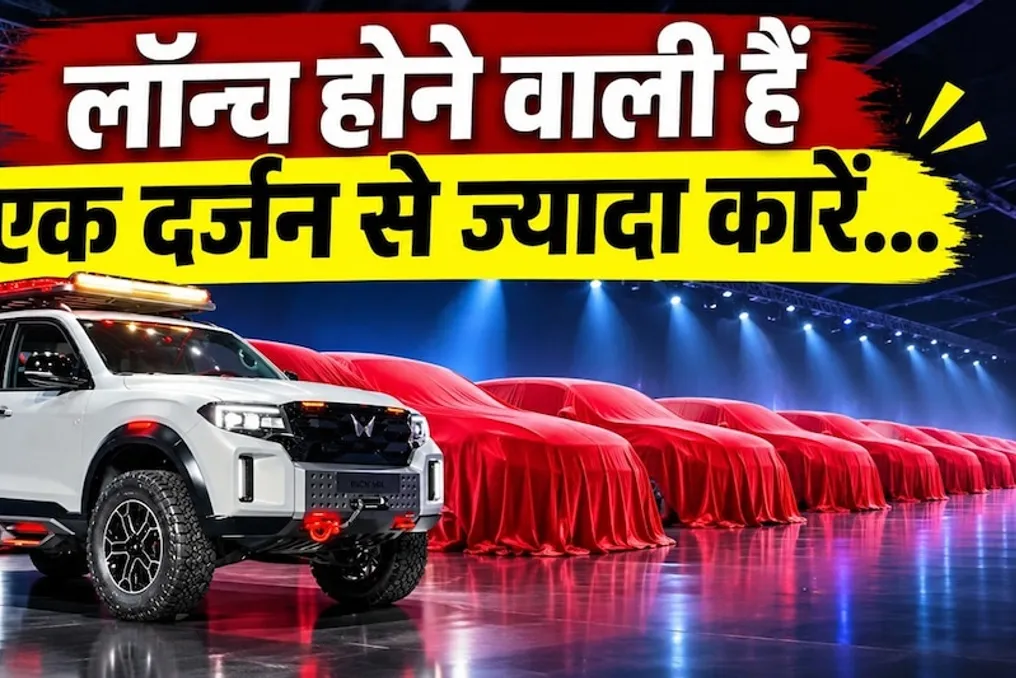
The year 2026 is drawing to a close, and numerous new models have already been introduced in the Indian automotive sector. However, the process of launching new vehicles is not set to stop; several more cars are expected soon.

Looking at November, the market will see the arrival of a new automotive company this month. Furthermore, Toyota plans to introduce updated versions of its popular models. Next year, in February, the India Mobility Expo will take place, where various vehicles can be viewed.

Among the anticipated new arrivals is the BYD Denza. This new brand will debut in India on November 13. Two vehicles are planned for this luxury brand: the Denza D9 and Denza Z9 GT, which belong to the premium segment.

On November 25, Toyota may release an updated version of its popular hybrid MPV, the Innova Hycross. This model will receive a new front design inspired by the recently launched Hilux truck. A flexible fuel version of the vehicle is also expected.

Honda Alpha is also on the list. This will be the company's first electric model designed with Indian needs in mind. Although Honda plans to develop a compact crossover, the electric crossover will be released early next year.

Potentially, the first JSW model will appear at the end of the current year. The release date for the JSW Combat has not been confirmed, but the company might present it by the end of 2026. This vehicle will be based on the globally presented Cherry Jetour T2.

Additionally, Mahindra is working on a new electric crossover that could launch on December 8. This might be the BE 6 Rally-e, which has been repeatedly spotted during testing. There is also a possibility of a new generation XEV 9e or 9s being released.

The Volkswagen Vertus Facelift is also preparing for a swift launch. The company confirmed the model's arrival in the Indian market on December 11. The car's design will remain largely the same. Volkswagen is also developing a compact crossover, but information regarding its release date is unavailable.

Mahindra plans to launch four crossovers by June next year. These may include the Scorpio Sport, which could be the production version of the Vision S brand. There is no official confirmation regarding this vehicle, but its launch could happen early next year.

The Tata Safari EV may also be released early next year. At the India Mobility Expo in February, many vehicles will be visible, including the seven-seater Maruti Suzuki electric vehicle. Moreover, launches are expected next year for the Hyundai Creta Third Gen, Mahindra Scorpio Lifestyle, Kia Sonet Second Gen, Hyundai Ioniq P, and BE 7.

Packing Tips for a Weekend Trip for Generation Z
Read more
www.aajtak.in

Packing Tips for a Weekend Trip for Generation Z

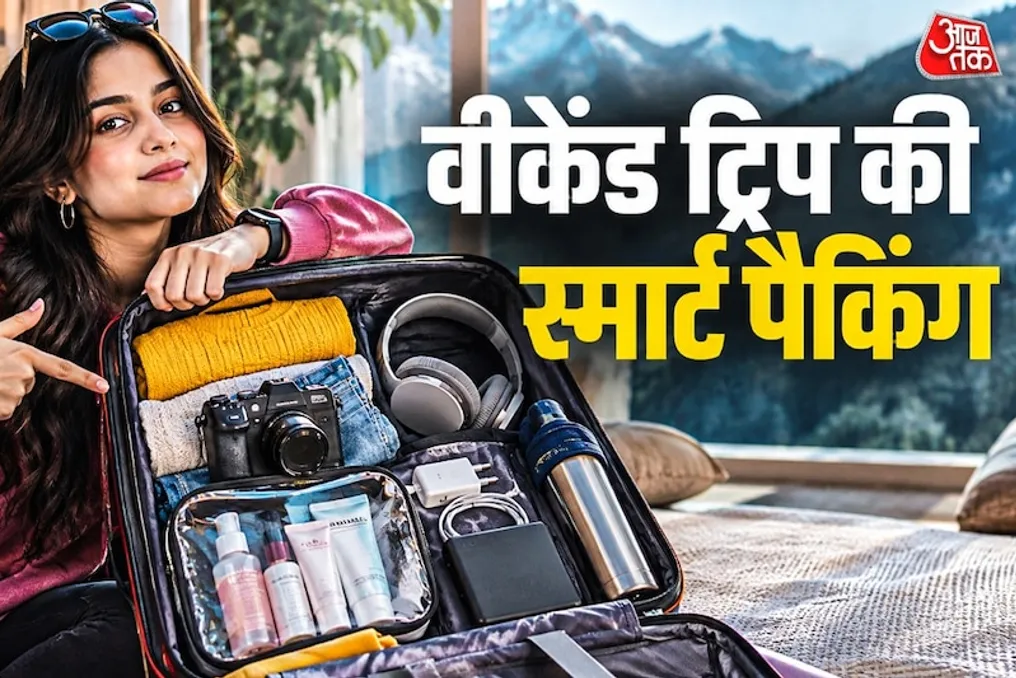
As soon as the weekend arrives, there is often a desire to travel with friends—whether it's a hike in the mountains or a short break in a quiet place. However, in the excitement of the trip, it is easy to forget necessary items when packing. If you belong to Generation Z and are preparing for a weekend trip, be sure to include five key items in your bag.

The first thing to take with you is a power bank and a charging cable. Nowadays, a phone is used not only for calls; it is indispensable for viewing maps during travel, taking photos and videos, and making online payments. Therefore, having a power bank is critically important. You should also bring a charger and necessary cables for your phone to avoid problems with a depleted battery.

The second point is skincare and sunscreen. During a trip, you cannot completely ignore your skincare routine. You should put items such as sunscreen, moisturizing cream, lip balm, and facial cleanser in your bag. Even if you are going to the mountains or the beach, do not forget to apply sunscreen. It is better to use travel sizes of products instead of large packages so as not to take up much space in your luggage.

When traveling, it is important to pay attention not only to a stylish appearance but also to comfort. Clothing should be chosen according to the weather conditions of your destination. Be sure to bring an extra T-shirt, comfortable trousers, underwear, and nightwear. If you are going to the mountains, bring a light jacket or warm clothing. Additionally, choose comfortable shoes to avoid discomfort while walking.

Even on a short trip, health issues cannot be neglected. You need to have a basic first aid kit, plasters, hand sanitizer, wipes, and necessary personal medications with you. If you are prone to motion sickness during travel, take the appropriate medication. This will help prevent the trip from being spoiled by minor ailments.

Despite the widespread use of digital payments, keeping some cash is still necessary because internet connectivity or online payment options are not available everywhere. Bring identification, such as an Aadhar Card, or any other valid document. In addition to saving hotel and ticket booking details on your phone, it is recommended to take offline screenshots of this data.

Thus, before every weekend trip, you should create your own packing checklist. A little preparation can save you from many problems during the trip. After all, the true pleasure of a trip lies in the ability to explore new places and spend unforgettable moments with friends without worrying about having the necessary items.

Jetour deepens 'Travel+' strategy by integrating technologies and expanding travel possibilities
Read more
www.khaleejtimes.com

Jetour deepens 'Travel+' strategy by integrating technologies and expanding travel possibilities

Thanks to advancements in artificial intelligence and new energy technologies, the capabilities of vehicles are constantly expanding. Ke Chuandeng, President of Jetour International, stated that the future of automotive evolution lies not only in improving power and performance but also in the seamless integration of intelligent interaction, energy solutions, and mobility services, transforming vehicles into smart companions for travelers.

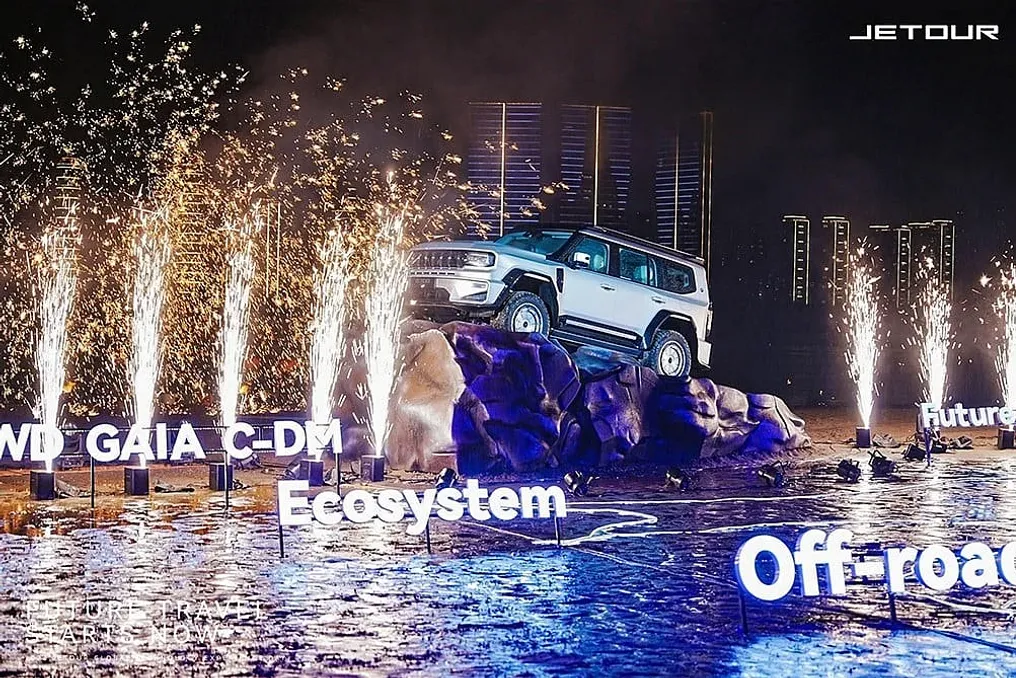
From October 20 to 23, 2026, the Jetour Global Technology Day 2026 was held in Wuhu, Moganshan, and Shajiu Lake. The event demonstrated Jetour's efforts to integrate technology, practical experience, and environmental protection into the field of travel under the 'Travel+' philosophy, showcasing advanced technological demonstrations, off-road tests, and ecological preservation initiatives.

Since its establishment in 2018, Jetour has shaped its product and brand around user needs in travel, gradually building a portfolio that covers city trips, long expeditions, and outdoor recreation. Following the 'Travel+' strategy, the company has developed its service and community networks, including vehicle customization, travel stations, and owner clubs. These endeavors link product functionality, tourism services, and user engagement to ensure a richer travel experience.

As Jetour's global business grows, it is extending the 'Travel+' concept to markets worldwide. As of September 2026, Jetour's cumulative global sales exceeded 2.56 million vehicles. The brand has entered over 100 countries and regions, winning the loyalty of more than 50 million fans and establishing over 300 owner clubs. By adapting to local road conditions, usage habits, and cultural characteristics, Jetour continuously improves the suitability of its products for various mobility needs. Through localized services and community development, the company also forms 'Travel+' initiatives tailored to the needs of users in each region.

The development of future travel experiences depends on the further refinement of intelligent and energy technologies. During the Jetour Global Technology Day 2026, the Group presented cutting-edge developments, including its major model in the automotive sector, chip strategy, the AiMOGA robot, Robotaxi, and integrated solar energy storage and charging systems. These demonstrations highlighted the company's research into intelligent technologies, autonomous driving, and energy solutions, offering new perspectives on the evolution of future mobility.

In various travel scenarios, Jetour showcased its technologies through specialized exhibitions and off-road tests. At the event, the Jetour G700 model, equipped with 'SOLAIR' technology, attracted interest from international guests. Its 'SOLAR' system uses flexible photovoltaic coating to generate up to 6 kWh of electricity per day, with a peak power of 640 watts. The generated energy can be stored in the vehicle's traction battery to power the vehicle itself and electronic devices. Furthermore, its 'AIR' system collects moisture from the air using external equipment mounted on the car and converts it into clean water through heating, condensation, filtration, and disinfection, producing up to 5 liters of water daily. Together, these technologies provide energy and water in remote areas, offering new solutions for off-road trips and long-distance road journeys.

At the global off-road experience media event in Moganshan, Jetour introduced the C-DM Super Hybrid, intelligent XWD all-wheel drive, and GAIA architecture. Features such as visual AI working with chassis sensors and V2L external power demonstrated the vehicles' capabilities in complex terrain conditions and when using off-grid energy. Meanwhile, the G700 Ark Edition underwent emergency navigation drills at a specially equipped testing base and was tested by global media representatives, showcasing its capabilities in water navigation and the GAIA Ark technology.

For Jetour, the future of travel is not just about vehicle specifications. It is also about expanding lifestyles and relationships with users. Through partnerships with FIBA, football clubs, and international marathons, Jetour links its brand with sporting events, regional cultures, and local communities. These initiatives create more opportunities for users worldwide to interact with the brand, taking 'Travel+' beyond vehicle usage into the realm of cultural exchange and lifestyle.

Concurrently, Jetour continues to integrate environmental protection into travel. The 'Travel+' concept extends beyond exploring distant places to include initiatives for conserving the crucian ibis and Tibetan antelope in China, as well as global projects to protect cheetahs, sea turtles, bharal, and harpy eagles.

From applying technologies and expanding travel scenarios to engaging users globally and preserving the environment, Jetour continues to enrich the practical meaning of 'Travel+'. Looking ahead, Jetour will maintain a focus on real user needs in mobility, deepening the integration of technological innovations with diverse travel scenarios and enabling travel to connect people with a wider world.

Popular