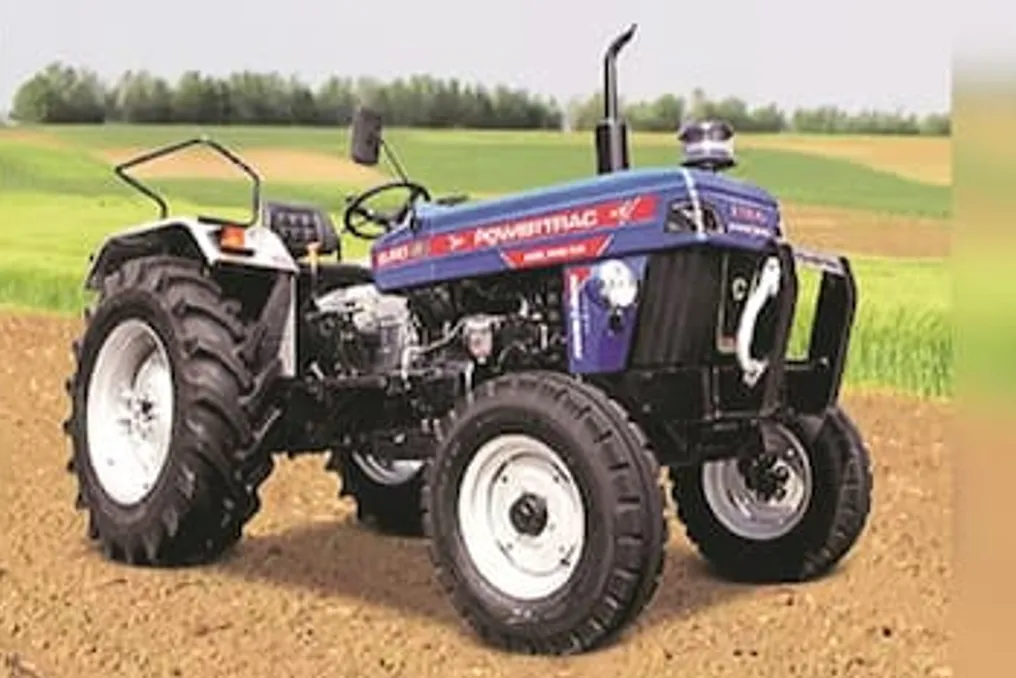
Escorts Kubota plans new 60,000 tractor capacity plant in Uttar Pradesh
Read more
Business Standard
business-standard.com

Escorts Kubota plans new 60,000 tractor capacity plant in Uttar Pradesh

The Chief Financial Officer of Escorts Kubota Ltd, Bharat Madan, announced the company's plans to construct a new manufacturing complex in Uttar Pradesh. This facility, planned near the Jiwār airport, is expected to be completed in approximately two and a half years.

The company intends to begin construction of the tractor enterprise in Uttar Pradesh at the start of the next fiscal year. The initial capacity of the plant will be 60,000 units, with the possibility of increasing it to one hundred thousand units, aligning with the strategy of expanding production and capitalizing on future market opportunities.

Bharat Madan specified in an interview with PTI that commercial construction of the new facility, designed to produce another 60,000 tractors in the first phase, will commence within the next year, with completion anticipated between two and two and a half years.

This increase in production capacity comes as the company's current tractor business operates at an average utilization rate of about 80–85 percent, reaching nearly 90 percent during peak seasons.

In addition to the planned expansion of tractor production, Escorts Kubota is showing steady growth in related segments, including construction equipment and other agricultural mechanization products. Sales of construction equipment increased by 53 percent in the September quarter, while the combine harvester and seeder business grew by 20–30 percent. Furthermore, the engine business demonstrated double-digit growth over the year.

Madan noted exceptional results across all segments except for tractors. He emphasized that sectors other than tractors will continue to perform well. However, the tractor business has faced a short-term demand decline due to uneven monsoon conditions, the El Niño effect, and rising raw material costs.

The CFO pointed out that water scarcity in several rice-growing states, such as Telangana, Karnataka, and Maharashtra, negatively impacts demand prospects. Pressure on markets in Jharkhand and Chhattisgarh is also expected to persist. Nevertheless, he forecasts a recovery in tractor demand starting from the second quarter of the next fiscal year (July-September 2027), provided the monsoons proceed normally.

He also anticipates that the company's financial performance will begin to recover in the fourth quarter, and that margins are likely to return to normal levels next year.
Similar stories

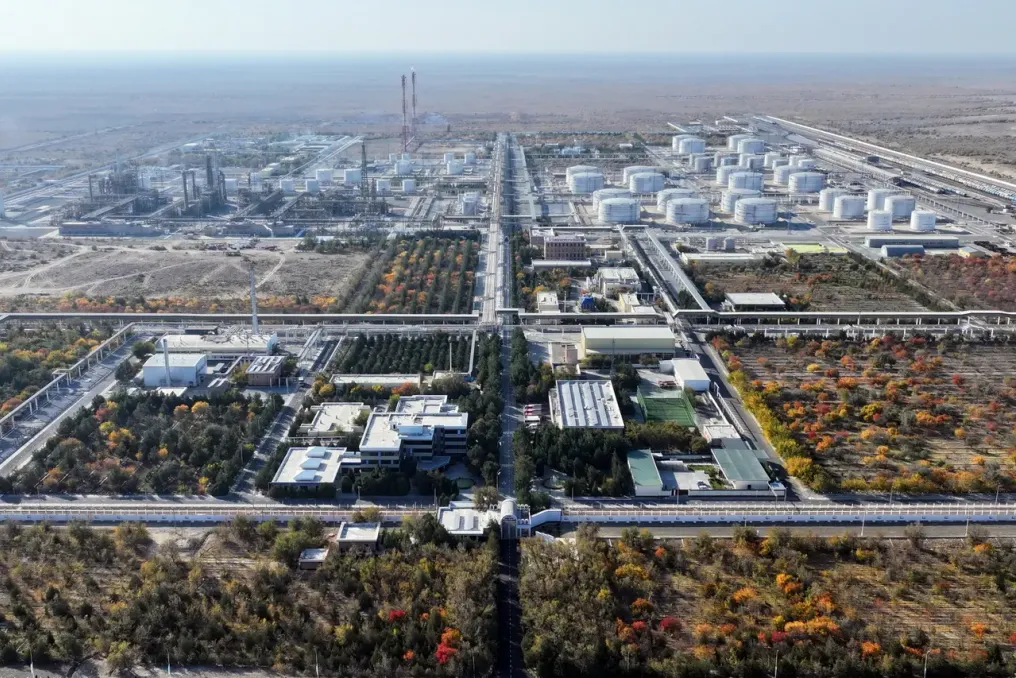
Expansion of Bukhara NQIZ capacities planned: new projects will increase fuel production
Read more
sputniknews.uz

Expansion of Bukhara NQIZ capacities planned: new projects will increase fuel production

According to the information presented, an expansion of the production capacities of Bukhara NQIZ is planned. One of the projects includes the creation of the capability to produce 1.1 million tons of automotive gasoline meeting Euro-5 standard annually.

The plant, which began operations in 1997, has the potential to process 2.5 million tons of condensate from oil and gas. The enterprise produces various petroleum products, including automotive gasoline, diesel fuel, aviation kerosene, and others. Currently, more than 3200 people work at the plant.

During the first nine months of 2026, over 1.5 million tons of raw materials were processed at the plant, allowing for the production of almost the same amount of petroleum products. The net profit of the enterprise amounted to 2.2 trillion soums.

By the end of the year, it is planned to increase the volume of raw material processing to 2.17 million tons, and the output of petroleum products to 2.12 million tons.

A project has been developed to launch AI-92 and AI-95 branded automotive gasoline that meets the Euro-5 environmental standard. The cost of this project is estimated at 328 million dollars. This initiative involves modernizing existing technological processes and constructing new production facilities. As a result of this project, the ability to produce 1.1 million tons of Euro-5 standard automotive gasoline per year will be ensured.

Furthermore, savings of up to 150 million dollars per year are expected due to reduced costs for imported fuel additives, as well as the creation of 200 new jobs. The launch of this project is scheduled for the second quarter of 2029.

In addition, under a prospective project worth 1.8 billion dollars, the implementation of modern oil refining and petrochemical technologies at the plant, as well as the construction of new technological complexes, is planned. With the implementation of these plans, the total annual volume of petroleum product production will increase from the current 2.1 million tons to 4.6 million tons. This includes the production of 2.7 million tons of automotive gasoline, 1.24 million tons of diesel fuel, and 500 thousand tons of aviation kerosene.

Opportunities for developing benzene and other petrochemical products will also expand, and deep raw material processing will allow for generating higher added value. Cooperation with leading technology companies from China, France, the USA, and Uzbekistan is planned during the implementation of this project. Construction work is scheduled to begin in 2028.

The presentation covered issues of the economic efficiency of the projects, the attraction of modern technologies, the full utilization of production capacities, and the expansion of high-quality and competitive petroleum product production.

Kia India invests $2 billion in building second plant in Andhra Pradesh
Read more
yourstory.com

Kia India invests $2 billion in building second plant in Andhra Pradesh

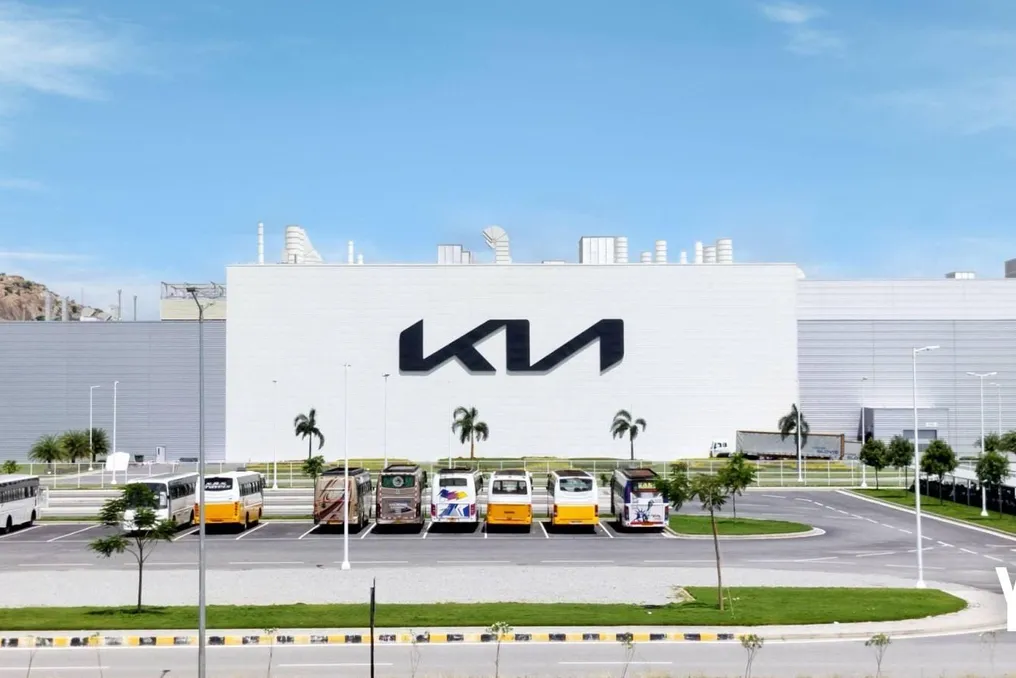
Kia India, in collaboration with its supplier partners, has announced plans to invest $2 billion in establishing a second manufacturing complex in the state of Andhra Pradesh.

This plan was officially formalized through the signing of a memorandum of understanding with the state government. The new plant will be located in Anantapur, in the same district as Kia's existing facility.

The new facility will increase annual production capacity by 200,000 units, bringing the combined capacity of both Kia India plants to over 600,000 units per year. The company plans to commence production at this plant in early 2030.

Stamping, welding, painting, and assembly processes will take place at the new site. According to the company, new models for both internal combustion engine (ICE) and electric vehicles (EV) will be produced here.

Kia and its suppliers will occupy an area of 465 acres at the new site. This plant is expected to provide approximately 12,000 jobs, both direct and indirect.

For comparison, the first plant, covering 945 acres, provides 24,237 direct and indirect jobs. This initial complex, built with initial investments of $2.9 billion, produces models such as Seltos, Syros, Sonet, Carens, Carens Clavis, Carnival, and Sorento, including ICE, EV, CNG, and hybrid versions.

Gwanggu Lee, Managing Director and CEO of Kia India, emphasized that India is a key focus of Kia's long-term growth plans. He noted that customer trust built since the start of operations in Anantapur has played a decisive role in the company's development.

He added that the second manufacturing facility marks a new important stage, strengthening the company's ability to respond to consumer demands faster and more flexibly, while also supporting the launch of new ICE and EV models into markets. Kia stated that this project will also help develop India's manufacturing base, create jobs, and support the broader automotive industry.

Bukhara Refinery to Double Raw Material Processing Capacity to 5 Million Tons
Read more
uzdaily.uz

Bukhara Refinery to Double Raw Material Processing Capacity to 5 Million Tons

The refinery in Bukhara plans to increase its annual raw material processing capacity from 2.5 million to 5 million tons as part of a modernization project valued at 328 million US dollars.

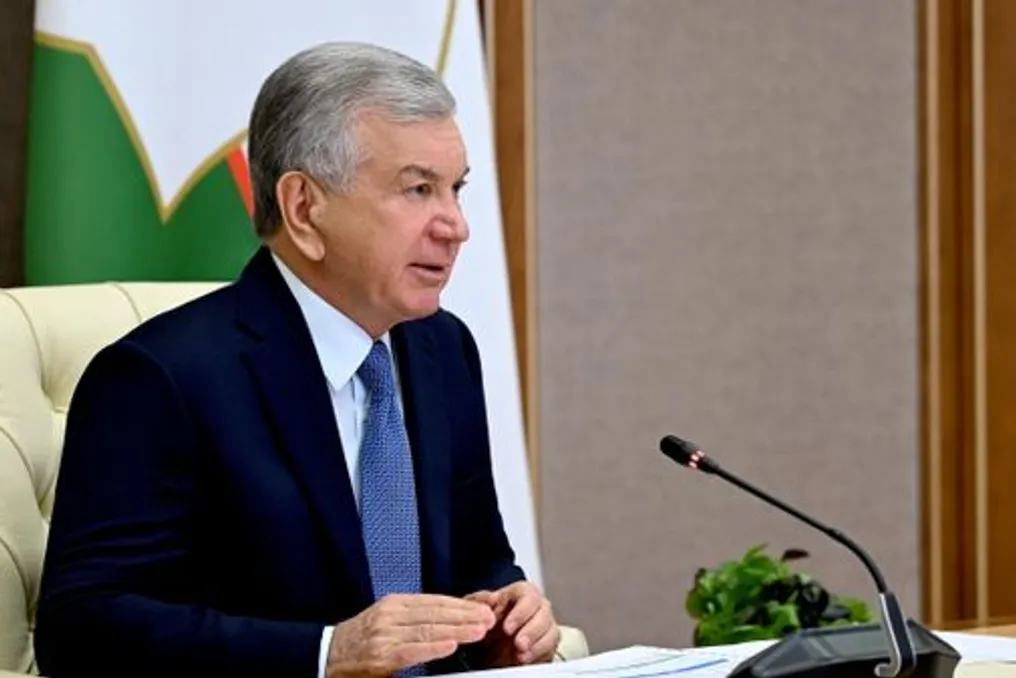
President Shavkat Mirziyoyev inspected the progress of preparations for this project during his visit to the enterprise located in the Karaulbazar district of the Bukhara region.

The Bukhara oil refinery is one of the largest producers of petroleum products in the country and employs over 3,200 specialists.

From January to September 2026, the plant produced 1.36 million tons of petroleum products worth 12.1 trillion sums. During this period, exports of products and services amounted to 99.5 million US dollars, and by the end of the year, the enterprise expects to increase exports to 116 million dollars.

Goals of Modernization and Technological Changes

The main goal of the modernization is to expand raw material processing and increase the output of high-octane motor gasoline. To achieve this goal, the plant intends to install equipment for naphtha hydrotreating and isomerization.

Hydrotreating will reduce the content of sulfur and other impurities in the raw materials, while isomerization will increase the octane number of gasoline obtained from light petroleum fractions. These technologies are necessary to increase the production of AI-92 and AI-95 gasoline, which meets the Euro-5 environmental standard.

The project also includes updating the processes of separating raw materials into fractions and deepening the processing of heavy residues. After implementing all planned measures, the plant's annual capacity will increase by another 2.5 million tons, reaching 5 million tons.

The expansion of production capacity is expected to lead to an increase in finished product output, strengthen supplies to the domestic market, and stimulate exports.

President's Instructions

During his visit, Mirziyoyev instructed the plant to adhere to the modernization deadlines and quality requirements, as well as ensure the compatibility of new equipment with existing production processes and maintain stable operation during the upgrade period.

Furthermore, the president held negotiations with representatives of foreign companies participating in this project.

Popular