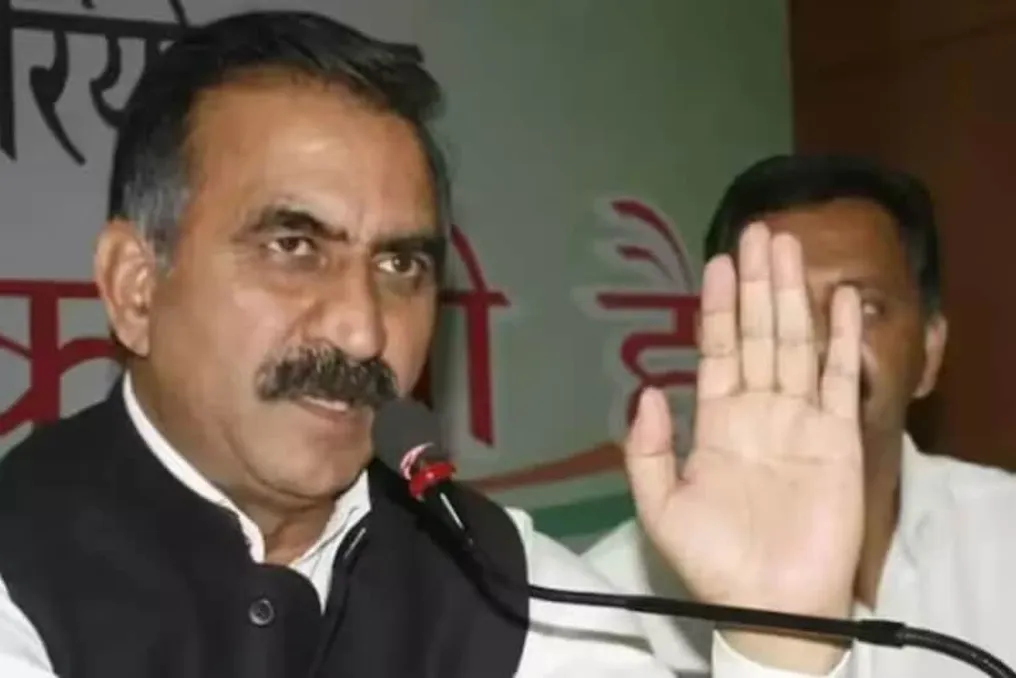
Shelkewadi Village in Maharashtra Demonstrates Model of Self-Sufficient Village with Zero Electricity Bill
Read more
The Better India
thebetterindia.com

Shelkewadi Village in Maharashtra Demonstrates Model of Self-Sufficient Village with Zero Electricity Bill

The village of Shelkewadi, located in Maharashtra, has been successfully addressing issues faced by Indian cities for over twenty years, such as dependence on liquefied petroleum gas (LPG), power outages, water crisis, pollution, and waste management problems, all without significant budgetary expenditure.

As part of the 'Solved In India' program, this small village in the Karvir Taluka, Kolapur region, home to about 80 families, was visited. The residents have created a real model of a sustainable, self-sufficient village with zero waste that other Indian villages could potentially replicate.

Shelkewadi illustrates what energy independence looks like at the village level, considering that 60% of LPG in India is imported, much of which passes through the Strait of Hormuz.

Various aspects of a sustainable lifestyle have been implemented in the village: from receiving free cooking gas through biogas to operating a fully solar village and adopting principles of organic farming and water resource conservation. Furthermore, women own every house in Shelkewadi.

Similar stories

Diwali turned Delhi into a gas chamber: the need for personal initiatives to solve pollution
Read more
www.aajtak.in

Diwali turned Delhi into a gas chamber: the need for personal initiatives to solve pollution

Delhi, like in previous years, once again found itself in a gas chamber during the Diwali festival, leading to a sharp rise in the air quality index to hundreds of points. Children, the elderly, and the sick are the most vulnerable to pollution. This situation has repeated this year.

The Supreme Court issued a comment on Friday, noting that Delhi's decline during Diwali is linked to the culture of gift-giving. Chief Justice Suryakant stated that the tradition of exchanging gifts has been transformed by wealthy people into a symbol of social status. Long traffic jams due to cars increase the emission of pollutants.

The court emphasized that merely introducing bans will not be enough; cultural changes and active citizen participation are necessary. This comment is not limited only to gifts. The pollution generated during Diwali is created by the residents themselves. Where is it justified to throw fireworks beyond the established norm? For hours, individuals launch very loud firecrackers, which is more of an attempt to show off to neighbors than an expression of joy.

This category also includes river pollution, the use of deafening DJs and horns. We prioritize the habit of showing off at the expense of the environment. The government and courts issue annual decrees allowing limited use of green fireworks and setting deadlines. However, these orders are regularly violated as if they never existed. Therefore, the problem lies not in the legislation, but in our habits.

No court or government can save Delhi from pollution alone. Until we take the initiative ourselves, the situation will not improve. Stubble burning, transport, industry, and construction dust play a significant role, but in the sharp increase around Diwali, our personal responsibility is also involved. Smoke and noise emanating from every home envelop the city together. Cars stand in traffic for hours to deliver gifts, burning fuel and increasing smoke. Fireworks smoke mixes with the air, and the noise from DJs and horns increases noise pollution. We do all this while being aware of the consequences.

The solution starts at the personal level. Diwali is a festival of joy, and it is important to light lamps, share sweets, and meet. However, it should not become a festival of ostentation and competition. The festival and joy can be celebrated using as few fireworks as possible. The habit of giving gifts can be changed through digital or shared methods. Instead of spending hours in different cars, one can gather together to celebrate. The role of the government and the court is important: they can create rules, monitor, and apply strict measures. But their work will only be successful if the public complies with the rules. The Supreme Court rightly noted that the more bans there are, the more violations there are.

The true solution lies in the movement of the people. Residents' associations, social networks, and local groups can work in this direction. It is necessary to raise awareness about how our small habits lead to big losses. Delhi's pollution is not just a problem for one city; it is a problem of health and the future of the entire region. Children's lungs suffer, the number of respiratory diseases is growing, and economic damage is being inflicted. To break this vicious cycle, the government, farmers, industrialists, and ordinary citizens must work together. But the beginning must be made by the individual. The Supreme Court's comment serves as a warning. Now we have an answer. It is time to take responsibility so that Delhi can breathe.
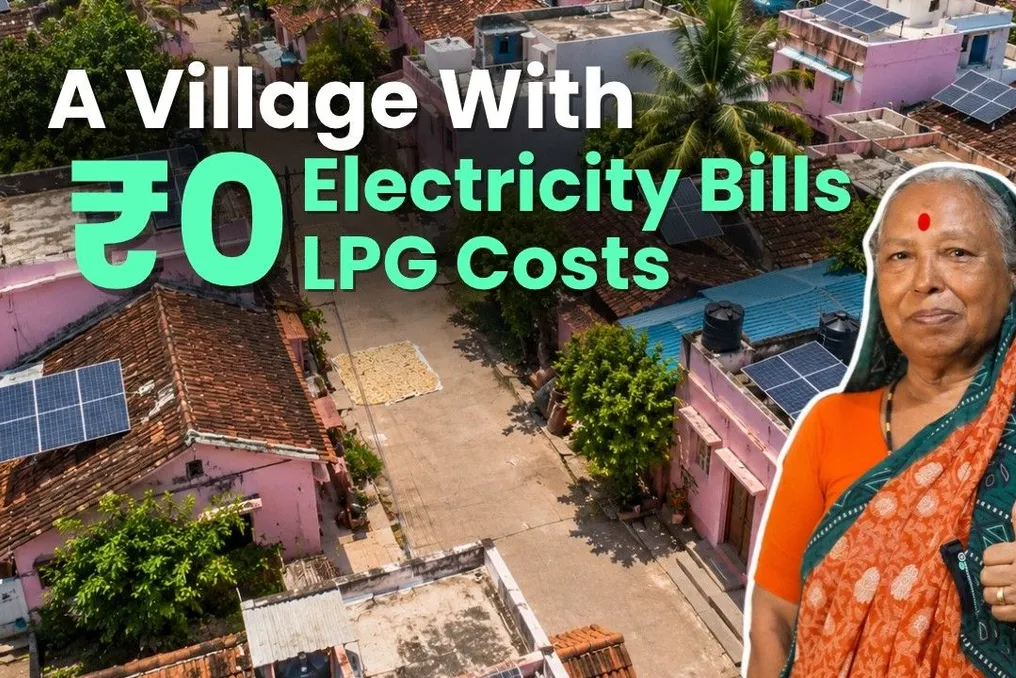
CM Sukhu announces women's support program: ₹1500 monthly and 300 units of free electricity
Read more
www.aajtak.in

CM Sukhu announces women's support program: ₹1500 monthly and 300 units of free electricity

Chief Minister Thakur Sukhvinder Singh Sukhu announced the launch of the 'Happy Family' program in the state, which will take effect next month. Under this initiative, financial assistance of ₹1500 per month will be provided to women from needy families. Additionally, such families will be provided with free medical care through health insurance cards, as well as 300 units of free electricity.

The announcement was made by the minister during a large public gathering in Chuvari Chogan, which falls under the Bhatiyat constituency in Chamba, on Wednesday. He stated that the official start of this program will take place in Solan in the presence of National Secretary and Congress MP Priyanka Gandhi. The minister emphasized that the state government aims to ensure the economic empowerment of women and provide financial support to ordinary families.

Sukhu specified that about 20 thousand qualified women in the Bhatiyat constituency will receive monthly financial assistance of ₹1500, and 10 thousand families will receive the benefit of 300 units of free electricity. He also noted that the government has launched various programs to strengthen the rural economy and continues to implement Congress promises.

To identify needy families under this program, a survey was conducted at the panchayat level. Approximately 1.80 lakh families in the state were identified as eligible for 300 units of free electricity, and about 2.50 lakh women are set to receive monthly financial support. The minister explained that the monetary aid to women will be transferred directly to their bank accounts, and families will receive support on electricity bills.

Criticizing the Bharatiya Janata Party, Sukhu stated that the Congress government is seriously working to fulfill its promises, while the Bharatiya Janata Party spreads false information on social media. He reminded that the Congress promised to provide ₹1500 to women from families with an annual income of less than ₹75 thousand, and the government is working to implement this promise.

Responding to the demands of residents of Bhatiyat in Chamba, the minister also announced the opening of a civil court in Chuvari. This will allow residents of the region to resolve legal issues without the need to travel elsewhere. Furthermore, he announced the allocation of ₹4.50 crore for preparing the Detailed Project Report (DPR) for the Chuvari-Chamba tunnel. Further procedures will commence after the DPR preparation is complete.

The minister concluded that the state government is constantly making efforts to develop rural areas, expand basic infrastructure, and improve the standard of living of the population, affirming its commitment to regional development.

Popular