As temperatures drop in the United Arab Emirates (UAE), residents are beginning to prepare for the winter camping season. The cost of day trips is estimated at approximately 300 dirhams per person, while a basic equipment kit requires an initial budget of 300 to 500 dirhams, depending on the level of experience and necessary accessories.
Camping enthusiasts note that preparations can begin months before winter, and reusing equipment helps reduce overall expenses. Ahmed Al Mansouri, a resident of Ras Al Khaimah, reported that one night of camping will cost about 300 dirhams per person, including food, drinks, refreshments, and water for cooking and washing.
However, Al Mansouri clarified that costs can decrease if camping is done with friends or family, as expenses are distributed among participants. For example, a packet of charcoal costs between 30 and 40 dirhams, and a whole chicken is about 25 dirhams. Depending on the menu, food costs can reach approximately 50 dirhams, and a small gas canister for cooking costs between 7 and 10 dirhams.
Al Mansouri noted the variety of camping options: some prefer solitary trips, while others organize gatherings of up to 30 people, where participants either bring their own supplies or share the cooking responsibilities. He advised that weekly camping can be challenging, and visiting once or twice a month is more manageable.
Marcos Bernardo, a Brazilian resident living in the UAE, stated that beginners do not need to purchase expensive equipment for their first experience; a basic setup will cost around 300–400 dirhams. Nevertheless, he recommends allocating about 500 dirhams to ensure campers have everything they need.
According to Bernardo, a sleeping bag can cost about 35–36 dirhams, and a simple tent is available for about 70 dirhams. A small barbecue grill costs about 20 dirhams, a portable camping stove is about 30 dirhams, and a set of two cooking pots ranges from 10 to 20 dirhams. He emphasized that for simple recreation, the minimum cost is 300–400 dirhams, but advises having a budget of around 500 dirhams.
He added that costs vary greatly depending on the desired level of experience, with more complex kits requiring larger investments. For experienced enthusiasts, preparing for the season involves not only buying food and packing the tent. Al Mansouri mentioned that some enthusiasts start buying gear in the summer, months before the season begins, while others wait for the temperature to drop to assess existing supplies.
Some residents also invest in caravans and portable toilets to increase comfort during outings, especially when traveling in large groups or staying overnight. Al Mansouri reported that some caravans can be found for less than 10,000 dirhams, with prices depending on the included amenities and equipment.
The time required for preparation also varies: some organize supplies a week in advance, others start preparing two days before departure, and the most experienced might go camping the same day. Al Mansouri explained that most gear, including tents, toilet tarps, grills, and kitchenware, can be used throughout the season, reducing the need for constant purchases. He added that the main items that change are food and some kitchen equipment that wears out over time. Items such as grills, cooking meshes, and firewood containers may sometimes require replacement due to regular use.
Radina Dixon, a Dubai resident, shared that camping has become a family tradition over the past eight years, providing an opportunity to spend quality time outdoors with her husband and two children aged ten and seven. The family plans to camp every weekend from late November to late April, when daytime and evening temperatures are usually pleasant. Their expenses are determined by the duration and location of each trip.
Dixon noted that if they spend the day in the desert or mountains, they usually only need to pay for gasoline, food, and firewood. However, longer trips, especially those crossing the border into Oman, can be more expensive due to visa fees, extra meals, and firewood. Although the family often camps independently, Dixon also regularly travels with four other families who are their long-time camping companions. Before each season, they clean and inspect their gear, check for items needing replacement, and decide if any upgrades are necessary. This year, the family purchased a new battery to power the refrigerator and electronics during camping after issues with the previous battery. They also stocked up on gas canisters and bought a small two-person kayak for beach trips. Dixon noted that, starting with a simple setup eight years ago, the family has gradually upgraded its gear while maximizing the use of old items.
Choosing the right camping spot
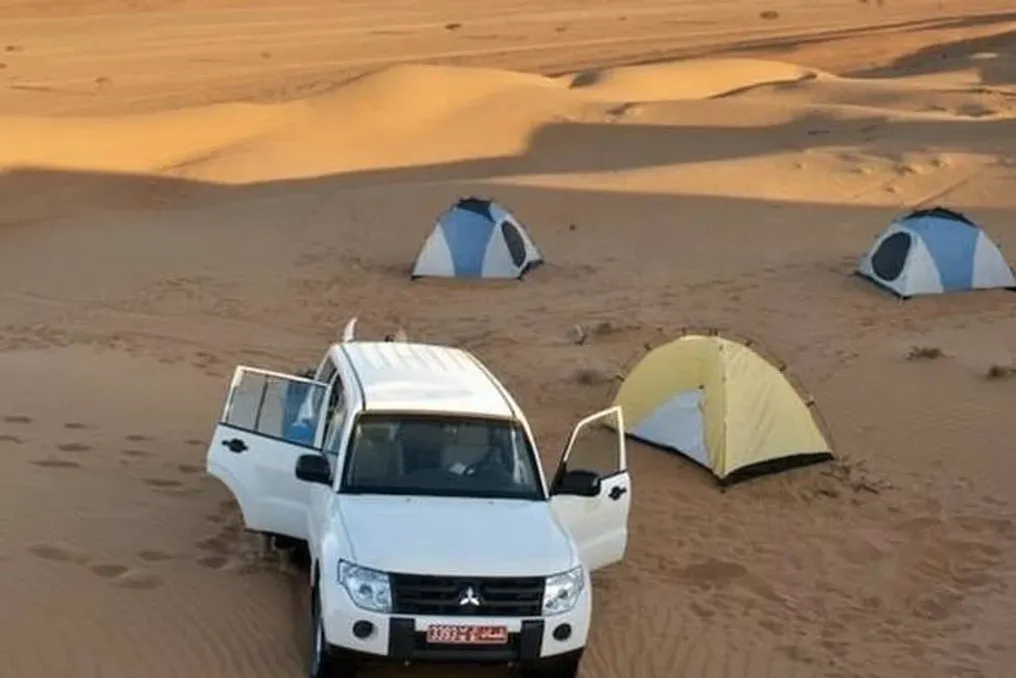
In addition to budgeting and selecting gear, residents believe that choosing the right location is an important part of camping preparation. Bernardo explained that camping on the beach, in the desert, or in the mountains requires different precautions. For beach camping, he advises checking sea conditions and tides, whereas desert camping may require a four-wheel-drive vehicle and insect protection.
In mountainous areas, campers should consider altitude, strong winds, and road accessibility, as some destinations require off-road vehicles. Bernardo also recommended monitoring weather forecasts and avoiding areas where rainwater might collect, especially during periods of unstable weather. It is necessary to bring warm clothing for cold nights and use appropriate containers for fires and barbecues.
Meanwhile, Al Mansouri named popular outdoor recreation spots, including Al Aqah Beach in Fujairah, areas around Khor Fakkan, Jebel Jais, and Jebel Yanas in Ras Al Khaimah, Shouka, and Liwa. Residents are drawn to these places due to their natural beauty, cooler temperatures, and, in some areas, the availability of public facilities. For Al Mansouri, the diversity of camping locations across the UAE allows residents to choose between beaches, mountains, and deserts according to their preferences and desired type of outdoor recreation.