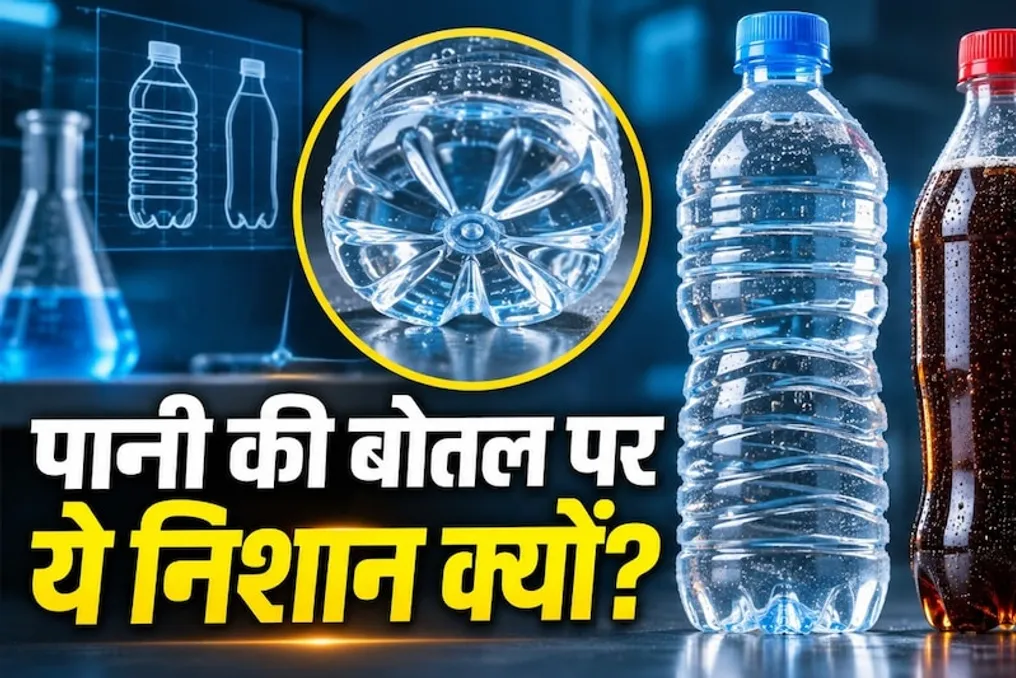
Differences in the design of soft drink and water bottles are due to their composition and pressure
Read more
Aaj Tak
www.aajtak.in

Differences in the design of soft drink and water bottles are due to their composition and pressure

Have you noticed that the design of soft drink and water bottles differs significantly? Soft drink bottles usually have a smooth and straight shape, without strongly protruding edges. In contrast, plastic water bottles are often decorated with various stripes, lines, and convex elements, and some may have a flower-like shape at the base.

This raises the question of why the manufacturing methods for these two types of bottles differ. Is this done purely for aesthetics, or is there a scientific reason behind it? In reality, the construction of both bottles is designed taking into account their intended use and contents. Soft drinks contain gas, specifically carbon dioxide, whereas regular bottled water does not contain such gas, which dictates the need for different designs.

Carbon dioxide is inside the soft drink bottle. It is this gas that causes fizzing upon opening and the appearance of bubbles in the drink. The presence of this gas creates pressure inside the bottle, meaning it must constantly withstand internal pressure against external pressure. To counteract this pressure, the soft drink bottle is manufactured in a special way. Its shape and walls are designed to effectively handle the internal gas pressure, preventing the bottle from easily bulging or changing its shape.

Nevertheless, not all soft drink bottles are perfectly smooth; some may have light lines or elements to improve grip and increase strength.

Now let's look at why numerous designs are created for water bottles. Since water bottles typically lack gas pressure, they do not need to withstand the pressure like soft drink bottles. Stripes and convex parts on a water bottle serve several functions. Firstly, they provide strength to the bottle. Furthermore, these elements facilitate gripping and using the bottle, especially when water droplets accumulate on it, improving the grip.

In addition, when designing the bottle, attention is paid to making it lightweight and using less plastic. Manufacturers strive to create a bottle with minimal material while maintaining its shape during use and not deforming under pressure.

When looking at the base of many water bottles, it is not flat; it has a specific shape. This design is also not purely decorative. The bottom part of the bottle contributes to its balance and stability. Thanks to the protruding parts, the bottle can stand stably on a surface, and its base will not easily bend under load.

Different companies create unique designs for their bottles based on their needs and requirements.

Bottle design is formed taking into account its practical application, strength, ease of grip, and the volume of plastic used. A soft drink bottle must withstand gas pressure, while a water bottle must be lightweight and maintain its shape during use. Thus, next time you see soft drink and water bottles, you should not reduce the differences in their design merely to beauty; behind the construction of each lies a separate engineering task corresponding to its purpose.
Similar stories

What is fiberglass and why is it becoming more popular than marble and tile
Read more
www.aajtak.in

What is fiberglass and why is it becoming more popular than marble and tile

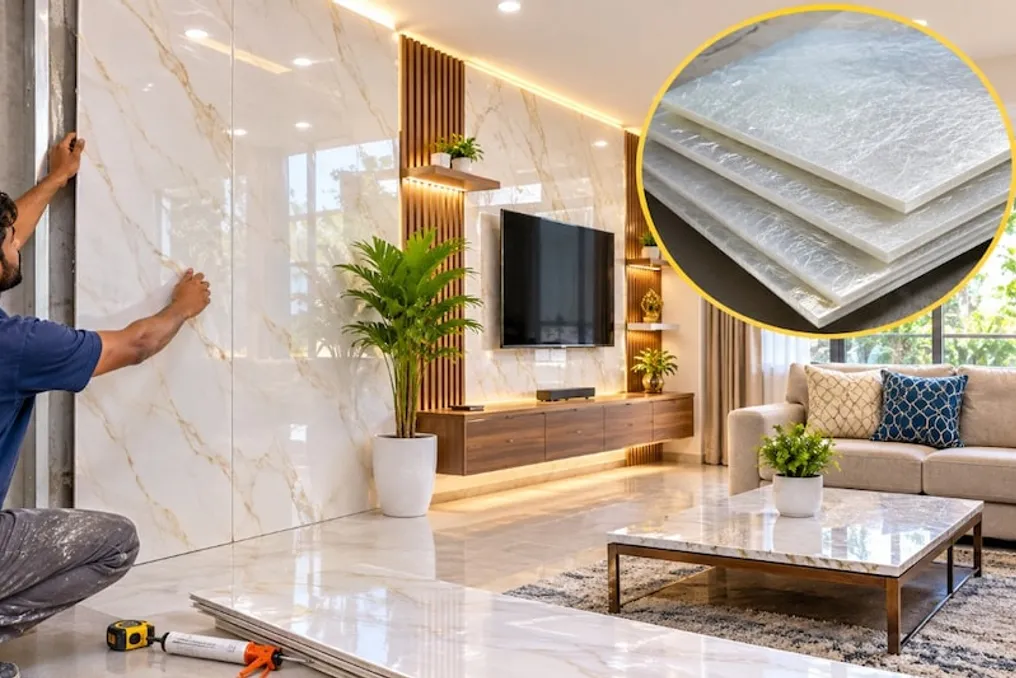
Nowadays, people are increasingly using a special material instead of traditional marble and tile in their homes, and this material is called fiberglass. Demand for it in the market is growing, so it is important to understand what fiberglass is and what its features are.

Fiberglass is a modern and very strong material. It is made by mixing fine glass fibers with a plastic resin composition. In technical terms, it is also called 'glass-reinforced plastic' (GRP). This material is very light, yet possesses strength capable of competing with steel.

It is precisely because of these qualities that the demand for fiberglass sheets in the construction and interior design of residential and commercial buildings is rapidly increasing compared to marble and tile. Fiberglass has numerous advantages.

Marble and tile are quite heavy, which requires significant labor and time for their transportation and installation. In contrast, fiberglass is very light, allowing it to be easily installed on walls or roofs. The lightness of the material reduces the load on the building, as it does not add unnecessary weight to the overall structure.

Fiberglass is resistant to damage. While marble and tile can crack or break from falling heavy objects, fiberglass does not break as easily due to its flexibility and strength. It is not affected by sun, rain, or moisture, nor does it suffer from rust or termite infestation.

Unlike tile, where gaps can lead to water leaks and dampness, fiberglass is completely waterproof. Therefore, it is considered the best choice for bathrooms, kitchens, and roofs.

Furthermore, fiberglass is available in a wide range of designs and variations. While marble is difficult to cut and process, fiberglass can be molded into any custom shape, mold, or curved design. It can be given the appearance of marble, wood, or any other decorative tile, giving it a very modern and attractive look.

Marble can develop permanent stains from acid, tea, or oil, and its shine dulls. Fiberglass does not absorb stains and only needs to be cleaned with a damp cloth, eliminating the need for regular polishing.

Fiberglass is an excellent thermal insulator. It prevents excessive heating indoors in summer and severe cooling in winter, which contributes to energy savings. Whereas marble and tile become very cold to the touch, fiberglass does not have such properties.

Today, fiberglass is most often used to make bathtubs, roofing sheets, designer wall panels, kitchen countertops, and doors. Being economical, it provides a modern look and a long service life, which is what prompts people to abandon traditional marble and tile in favor of this material.

Popular