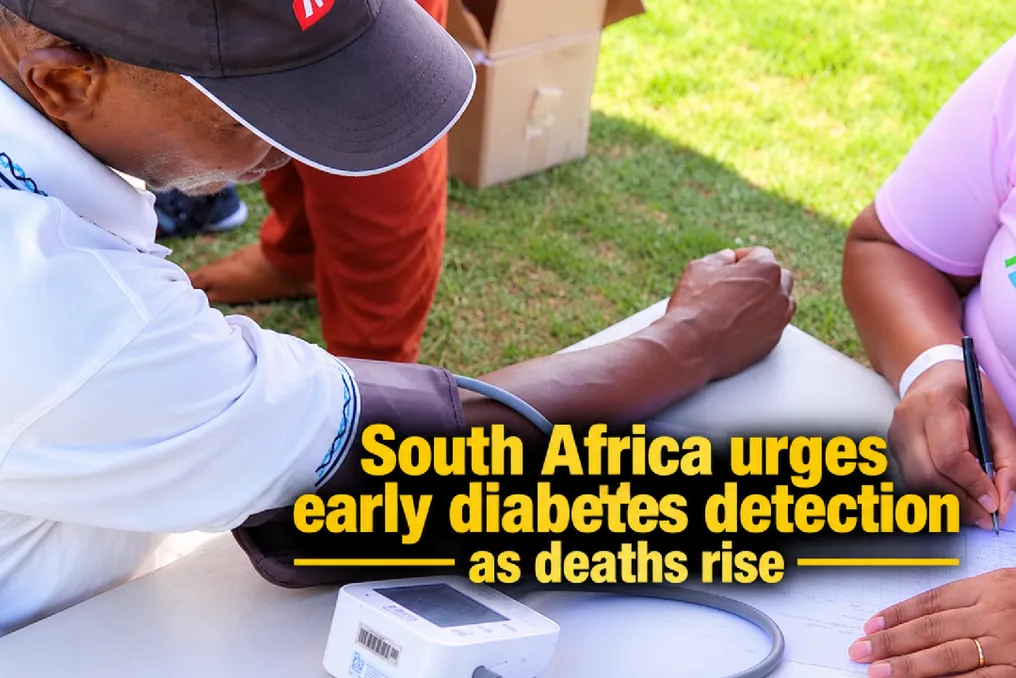
On World Diabetes Day, observed on Saturday, November 14th, hundreds of Johannesburg residents underwent free medical screenings as part of an awareness campaign. This initiative aims to strengthen South Africa's fight against the disease.
Medical professionals used this opportunity to draw local residents' attention to diabetes—a condition that can be life-threatening and affects hundreds of millions of people worldwide.
Health Minister Aaron Motsoaledi noted that HIV was previously the leading cause of death in South Africa, but the situation has changed, with diabetes now becoming the primary cause of mortality. He emphasized that all available data confirms this.
According to the latest mortality statistics from Statistics South Africa, diabetes ranked among the main causes of death in the country in 2024, causing over 28,700 deaths.
The screening campaign in Johannesburg also encouraged citizens to take an active role in their health by undergoing regular medical check-ups. Local resident Khany Mchunu shared her opinion, noting that diabetes is problematic because it is difficult to detect in its early stages, and symptoms only appear when a person's life begins to change. She added that proper nutrition and diet monitoring are important, as the disease is sometimes hereditary and in other cases related to lifestyle.
The World Health Organization (WHO) states that diabetes can be managed through a combination of healthy eating, regular physical activity, and medication. Furthermore, timely treatment and regular screening help prevent or delay the development of complications.
Nevertheless, activists warn that raising awareness is not enough. They insist that continuous public education and improved access to healthcare services are vital, especially in underserved areas. Patrick Ngassa Pioti, chairman of the Diabetes Alliance, stated that due to gaps in the healthcare system, people receive almost no education. He concluded that people with diabetes are vulnerable, and it is necessary to return to basics: providing them with information and ensuring the availability of medicines.