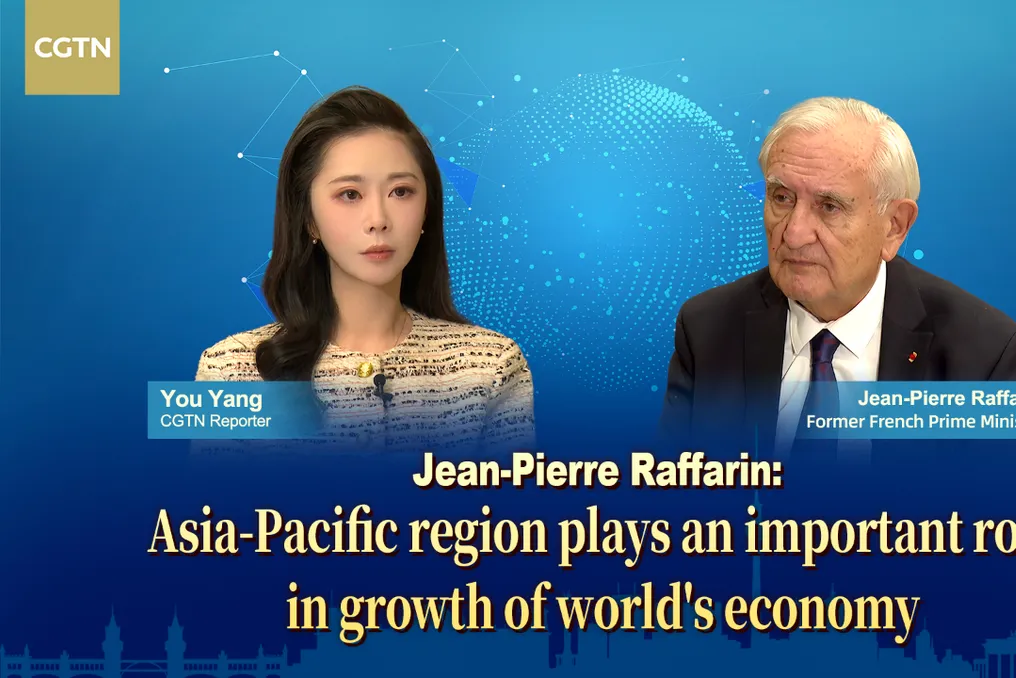
In connection with the upcoming opening of the APEC economic leaders summit in 2026, CGTN's Yu Yang spoke with former French Prime Minister Jean-Pierre Raffarin. During the conversation, he shared his opinion regarding this key international gathering.
Similar stories

Three APEC economies accounted for 50.9% of Brunei's merchandise exports in 2024
According to data from the Department of Economic Planning and Statistics of Brunei, three APEC member countries—Australia, China, and Japan—made up 50.9% of Brunei's total merchandise exports in 2024. This export reached a combined value of 7.65 billion Brunei dollars.
Brunei's trade relations link its energy sector to the markets of the Asia-Pacific region, with mineral fuel and chemical products being among the leading export goods.
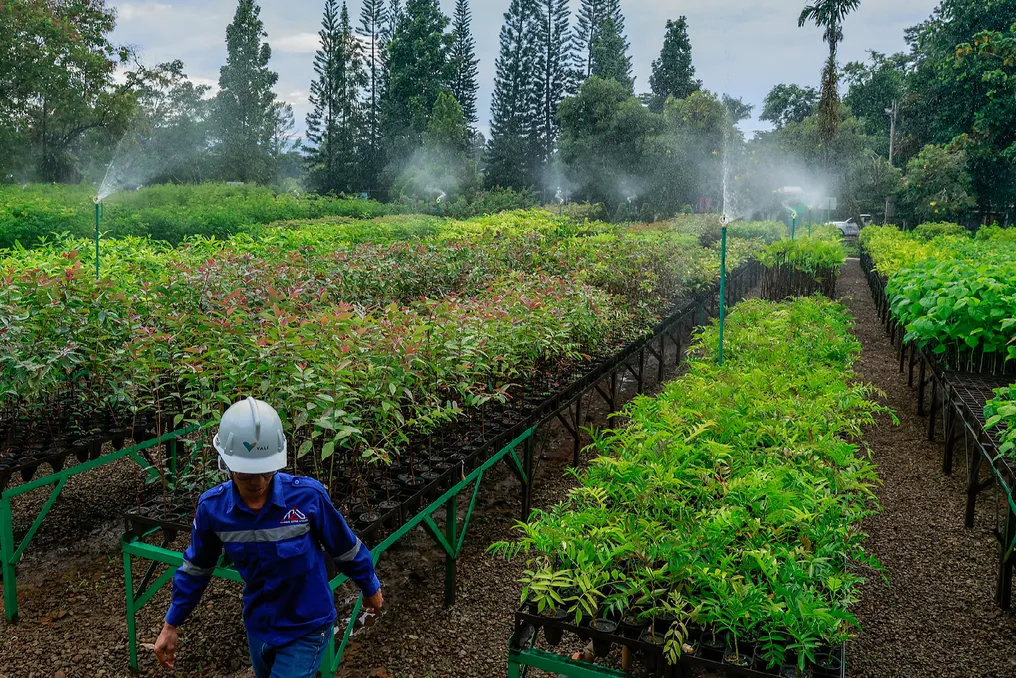
New Growth Model in the Asia-Pacific Region: Transition from Raw Materials to Manufacturing
The supply chain for an electric vehicle sold in Southeast Asia can span continents: nickel from Indonesia, lithium from Chile, as well as investment and manufacturing expertise from various parts of Asia, all converging due to the growing regional market. This demonstrates that the economic value of a product is increasingly determined by inter-country connections rather than solely by resources or factories in one specific country.
In the Asia-Pacific region, economies are leveraging their strengths to create more integrated industrial networks, moving beyond simple exchanges of raw materials and finished goods. These linkages, ranging from mineral processing to vehicle manufacturing and battery supply, open opportunities for technological transfer, investment, and industrial development across the entire region.
Indonesia serves as a prime example of how a resource-rich economy can claim a more significant role in global industry. As a leading global producer of nickel, Indonesia increased its nickel production by approximately 13% in 2025, according to data from the U.S. Geological Survey. The country is attracting investments for domestic smelting and processing, aiming to transform its mineral reserves into higher value-added products instead of exporting raw ore.
Nickel is widely used in stainless steel and is a crucial component in some electric vehicle batteries. By expanding processing capacities, Indonesia is positioning itself to participate in a broader industrial chain that connects mineral extraction with battery production and vehicle assembly. Its resources can complement the technological expertise, investments, and manufacturing capabilities available in other parts of Asia.
This cooperation is developing parallel to the rapid growth of the electric vehicle market in Southeast Asia. EV sales in the region more than doubled in 2025, exceeding half a million units, accounting for nearly one-fifth of all new sales, according to the International Energy Agency (IEA). Leading markets in this growth include Vietnam, Indonesia, and Thailand.
The growing market is attracting automakers and suppliers to the region, creating opportunities for local production development and establishing links between manufacturers and regional supply chains. Chinese automakers have become an increasingly important part of this process. The IEA reported that over half of the EVs sold in Southeast Asia in 2025 were Chinese brands, and manufacturers are also expanding production facilities in the region.
This forms broader economic relationships: Indonesian mineral resources can support battery-related industries, while the growing consumer markets and manufacturing base of Southeast Asia provide opportunities for investment and production. Benefits may extend not only to car manufacturers but also to suppliers, workers, and enterprises involved in component production and related services.
Furthermore, across the Pacific, Chile is striving to transform its mineral wealth into a stronger domestic industry. As a major producer of copper and lithium, the South American economy supplies materials essential for electrification, including power grids, electric motors, and rechargeable batteries. In 2025, 95% of Chile's lithium exports went to Asia, with China accounting for 67% of that volume, according to the country's Undersecretariat of International Economic Relations.
However, Chile's ambitions go beyond simply supplying foreign manufacturers. The country's national lithium strategy aims to attract capital and technology, expand production, and stimulate the development of related industries. The partnership between the state copper company Codelco and the lithium company SQM is a key element of these efforts, combining public sector involvement with private sector expertise to develop lithium resources.
Canada is also working to build a more complete domestic supply chain, linking its mineral resources with processing and advanced manufacturing. As of March 2025, the country had 31 critical minerals processing facilities and 171 advanced projects, including 28 processing projects, according to the Canadian government. The NextStar Energy plant in Ontario, supported by $5 billion in Canadian dollars ($3.54 billion USD) in investment, began producing EV battery modules in 2024 and energy storage system battery cells in November 2025. This project reflects a broader drive to turn Canada's mineral resources into a foundation for advanced manufacturing.
From nickel processing in Indonesia and the expansion of the Southeast Asian automotive industry to the export of Chilean minerals—these connections illustrate how economies can convert their individual advantages into collective opportunities. When resources, investments, technologies, and markets mutually reinforce each other, collaboration can create cross-border value and ensure a larger share of the Asia-Pacific region's growth for more economies.