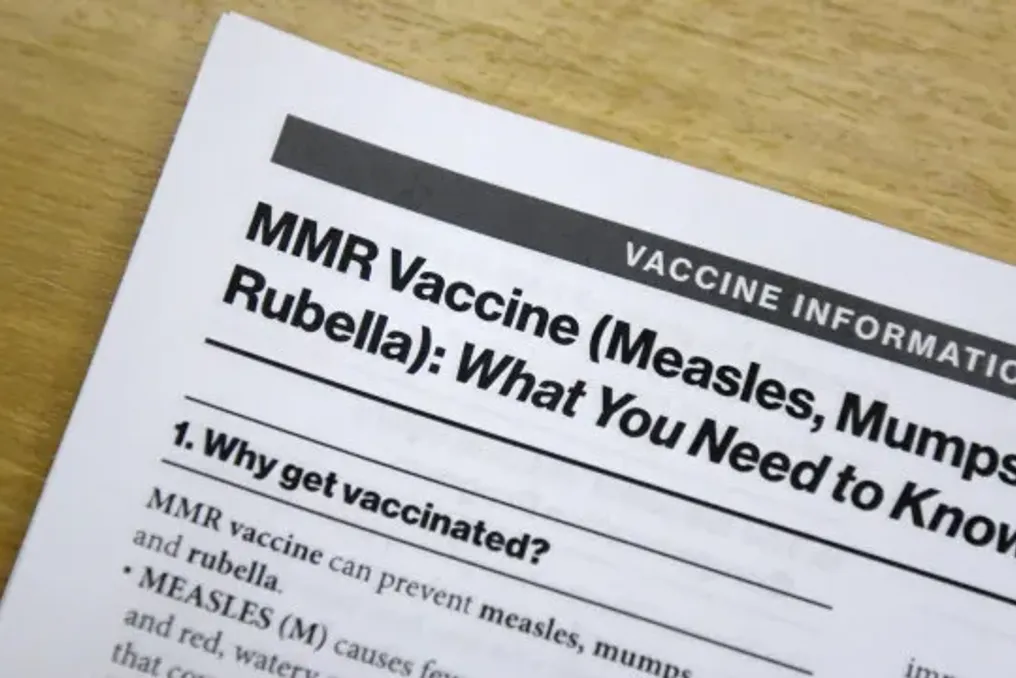
USA lose measles-free country status after registering over 5,400 cases
Read more
Noticias ao Minuto
noticiasaominuto.com

USA lose measles-free country status after registering over 5,400 cases

The Pan American Health Organization (PAHO) announced that the United States (USA) has lost its measles-free country status due to the registration of over 5,400 cases this year, which is more than double compared to 2025.

This announcement was made by PAHO last Saturday. The institution, headquartered in the American capital, Washington, operates under the supervision of the World Health Organization (WHO).

For the first time since 2000, the USA has not met the guidelines established by the WHO. This organization defines a country as free from the disease if there are no local transmission measles infections or outbreaks that persist for twelve months or more.

In 2000, the disease had been declared eradicated in the USA following an intensive vaccination campaign. According to data provided by the US Centers for Disease Control and Prevention (CDC), about one-third of the measles cases registered this year are linked to outbreaks started in 2025 and continuing to spread.

The CDC counted a total of 5,412 cases since the beginning of 2026, more than doubling the record of 2,242 infections reported the previous year, which was already the highest number recorded in the last three decades. Additionally, in recent months, there have been 590 hospitalizations and at least six deaths related to measles, although several states have reported additional deaths.

On November 3, the state of New York recorded the first measles death in over thirty years. The victim was a child who died from complications arising from the disease, according to local health authorities. County authorities issued a statement regretting the loss and offering condolences to the family, while also promoting awareness campaigns and reinforcing vaccination.

A territory or nation loses 'measles-free' status when the population immunity drops to a level that allows the progression of the disease, especially if vaccine coverage is not high enough to quickly contain the outbreak. Doctor Céline Gounder explained that this implies a risk of exposure and contracting measles for those who are unvaccinated.

Gounder added that healthcare professionals, such as pediatricians and emergency services, should consider measles in any patient with fever and rash, regardless of international travel history. She also warned that the USA could become a measles exporting country to other nations.

The US Secretary of Health, Robert F. Kennedy Jr., has not yet commented on the announcement made by PAHO.
Similar stories

Baby dies of measles in outbreak with over 400 cases in the United States
Read more
olhardigital.com.br

Baby dies of measles in outbreak with over 400 cases in the United States

A newborn died after contracting measles in the state of Wisconsin, United States. The death was confirmed on Thursday, the 5th, by the local Department of Health Services and is linked to an outbreak of the disease in the southwestern region of the state. This is the first recorded measles death in this area since 1990.

Authorities chose not to disclose the child's exact age or other details of the case to protect the family's privacy. The responsible medical examiner determined that measles was the direct cause of death.

This incident occurs as the disease spreads in Wisconsin. As of November 3rd, the state had counted 431 infections distributed across 13 counties, representing the highest number recorded in over 35 years. Nine individuals required hospitalization due to complications from the disease.

A relevant piece of data indicates that 428 out of the 431 identified cases occurred in unvaccinated people. The State Health Department also issued an alert, mentioning that the figures presented may not reflect the totality of the virus's spread, as not all infected individuals seek medical assistance or undergo tests.

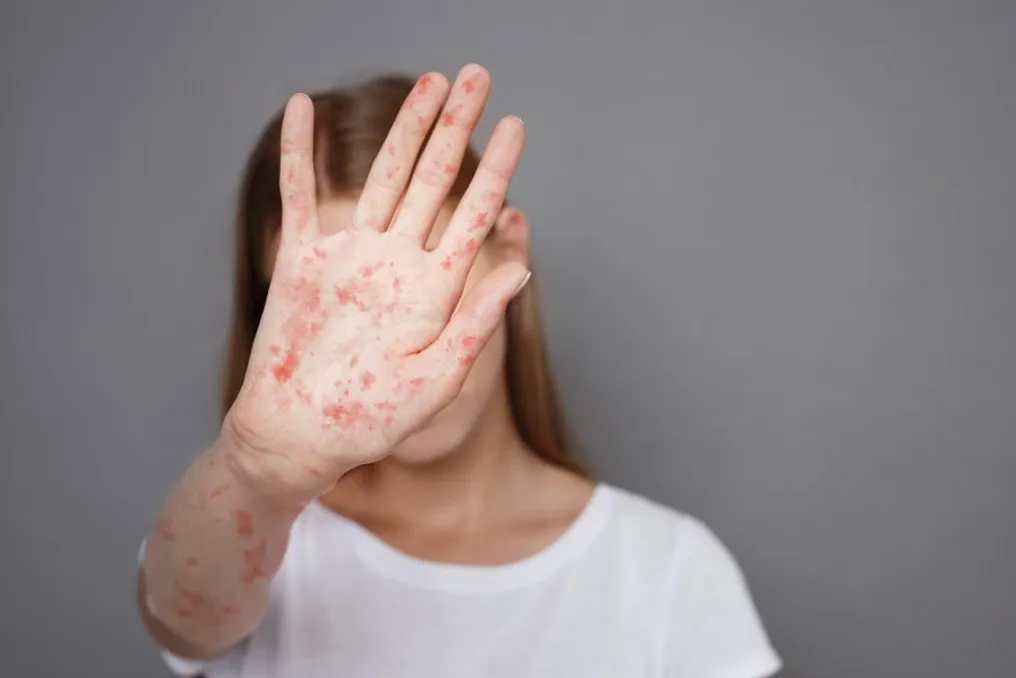
Measles is characterized as an extremely contagious viral disease, transmitted through the air and respiratory particles. Symptoms can include fever, cough, runny nose, conjunctivitis, and red spots on the skin. In more severe situations, the infection can lead to pneumonia and brain inflammation, carrying a risk of death.

Groups considered more susceptible to complications are young children, pregnant women, and people with weakened immune systems. The main preventive measure is the triple viral vaccine, known as MMR in the United States, which offers about 97% protection against measles, mumps, and rubella when administered in two doses.

The Wisconsin Department of Health Services reported distributing two thousand vaccine doses to local health departments starting August 1st. During the same period, more than 42 thousand doses were administered by healthcare professionals across the state.

Health authorities advise residents to check if their vaccination schedule is up to date. Individuals who have been in contact with someone infected should stay home and seek medical advice. If they develop a fever and skin rash, especially after possible exposure to the virus, it is recommended to call before going to a clinic or hospital, thus preventing the exposure of third parties.

WHO warns of the urgent need to conclude global treaty against pandemics
Read more
noticiasaominuto.com

WHO warns of the urgent need to conclude global treaty against pandemics

The Director-General of the World Health Organization (WHO), Tedros Adhanom Ghebreyesus, emphasized the urgency of finalizing an international pact dedicated to combating pandemics. He cited lethal epidemics, such as the Ebola outbreak affecting the Democratic Republic of Congo (DRCongo), as proof of this necessity.

Currently, divergences persist between rich nations and developing countries regarding how to implement the historic agreement established last year, which serves as the basis for managing future health crises similar to COVID-19.

During the opening of the ninth session of the Intergovernmental Working Group (IWG), running until November 13 in Geneva, Tedros Adhanom Ghebreyesus urged delegates to continue the work. He stressed that the primary purpose of concluding this treaty is the protection of populations.

The Director-General warned that any pathogenic threat, regardless of its origin, can become a danger to all inhabitants of any nation. He recalled the hantavirus epidemic that affected three people on a cruise ship in April, and the Ebola epidemic declared in May, which resulted in nearly 5,000 deaths among over 10,000 infected, concentrated mainly in the Democratic Republic of Congo.

When WHO member states formalized the agreement in May 2025, they postponed the discussion of a crucial point: a fundamental mechanism that has yet to be resolved, even after eight IWG meetings held since July 2025.

The appendix concerning the Pathogen Access and Benefit Sharing System (PABS) is considered the final piece needed for the global pandemic agreement to enter into force. This system must establish the rules for obtaining pathogenic agents with pandemic potential, as well as defining how derived benefits, such as vaccines, tests, and treatments, will be shared.

Tedros stated that PABS constitutes 'the last piece missing from our puzzle,' reinforcing that it is vital for the world to learn from the experience of the COVID-19 pandemic: 'no country can protect itself from pandemics by acting alone.' Recalling the pandemic period, he observed that although the world developed vaccines rapidly, many countries faced delays, while others received surpluses.

He concluded that this disparity caused deaths, prolonged the crisis, and increased the risk of new variants emerging, underlining that finalizing this section of the treaty is 'the key that will open the doors to a safer future.'

Study shows a quarter of Americans feign symptoms to obtain antibiotics
Read more
nplus1.ru

Study shows a quarter of Americans feign symptoms to obtain antibiotics

According to a survey conducted among 959 American adults, a quarter of patients distorted or imitated signs of illness in order to obtain a prescription for antibiotics. The most frequently simulated symptoms were those characteristic of a cold.

Subjective factors became the main driving forces behind this behavior. Among the reasons were patients' assessment of their condition's severity, belief in the high efficacy of antibiotics, the desire to resume their duties, and the aspiration to make independent decisions regarding treatment.

The results of this scientific study were officially published in the publication JAMA Network Open.

Popular