A noticeable shift is occurring in the Indian automotive market: the dominance of gasoline is weakening as vehicles running on compressed natural gas (CNG), hybrid, and electric models gain popularity. In October, the share of these three types of vehicles exceeded that of gasoline cars.
Meanwhile, the total volume of car sales decreased by 14.23% year-on-year. However, compared to September, the market showed an increase of 18.86%, indicating that the market is not stagnant but rather that consumer preferences are changing. Data provided by FADA confirms this trend.
According to the latest FADA data, 507,768 passenger vehicles were sold in October. Nevertheless, the timing of Diwali in November influenced October's sales. This month sees a significant change in buyer preferences, with consumers increasingly choosing alternative fuel vehicles over gasoline and diesel ones.
Comparing with last year, 592,032 passenger vehicles were sold nationwide in October of the previous year. Compared to this year, the figure dropped to 507,768 units, reflecting a 14.23% decline in year-on-year sales. However, when compared to September 2026, the picture looks much better: 427,213 passenger vehicles were sold in September, while in October, the number increased to 507,768 units, representing a monthly sales growth of 18.86%.
FADA believes that the drop in annual sales should not be seen as a lack of market demand. The main reason is the high demand last year, when the Navratri and Diwali festivals occurred simultaneously in October. Furthermore, purchases grew despite the reduction in tax rates under GST 2.0. In 2026, customers postponed their purchases for a while because Diwali was moved to November, which affected October figures.
In October, sales of passenger vehicles grew in both urban and rural areas, with the urban market showing better results. Compared to September, retail sales of cars in urban areas rose by 20.10%, accounting for 61.7% of total sales. In rural areas, the monthly growth was 16.90%, with the rural sector accounting for 38.3% of the total passenger vehicle sales.
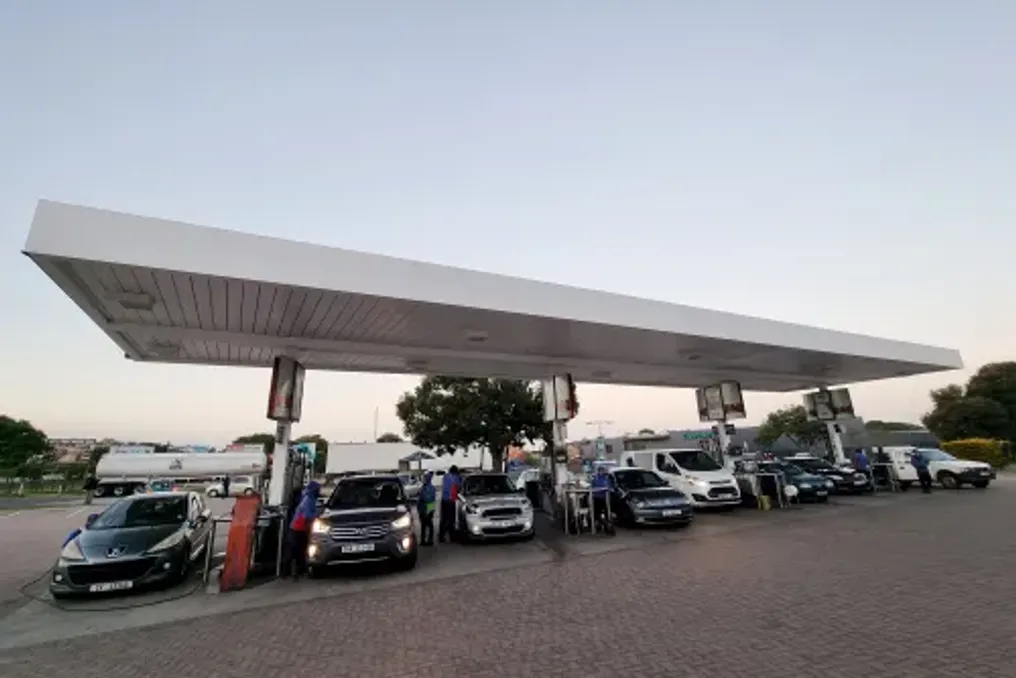
The most significant change in the automotive market in October relates to fuel choice. For the first time, the combined share of vehicles with supplementary fuels, such as CNG, hybrids, and electric vehicles, surpassed the share of gasoline and ethanol blends. According to statistics, the overall share of gasoline and ethanol vehicles decreased to 41.60% in October, compared to 48.96% in October 2025. On the other hand, the share of vehicles with supplementary fuels grew to 41.83%. CNG vehicles contributed the most to this growth, reaching a share of 24.59%. The share of hybrid vehicles was 9.94%, and the share of electric vehicles was 7.30%. The share of diesel vehicles remained at 16.57%, indicating a shift by consumers from gasoline and diesel to other types of fuels.
One factor contributing to this is the rise in gasoline prices and recent debates surrounding E20. Consumers remain uncertain about E20 fuel. The government acknowledged that using E20 fuel could lead to a 3% to 6% decrease in fuel consumption. Additionally, the possibility of component damage in older vehicles may have forced buyers to change their choices.
Demand for electric passenger vehicles also significantly increased. During Navratri 2026, retail sales of electric vehicles jumped by 36.66%, reaching 13,349 units. This is attributed to the price of electric vehicles approaching the prices of gasoline and diesel models, as well as improved range, making EV purchase more accessible to customers.
According to FADA, the inventory level of passenger vehicles in October was maintained at 43–45 days, unchanged from September. However, it is expected that purchases will increase in November during Dhanteras and Diwali, which could lead to a decrease in dealer stock. Actual sales data during Diwali is yet to be received.