Moroccan literature author Abdelmadjid Sebba shared his views on how reading novels can transform worldviews and deepen the understanding of other people. He believes that literature provides readers with the opportunity to question their knowledge, present alternative scenarios, and better comprehend the life experiences of others.
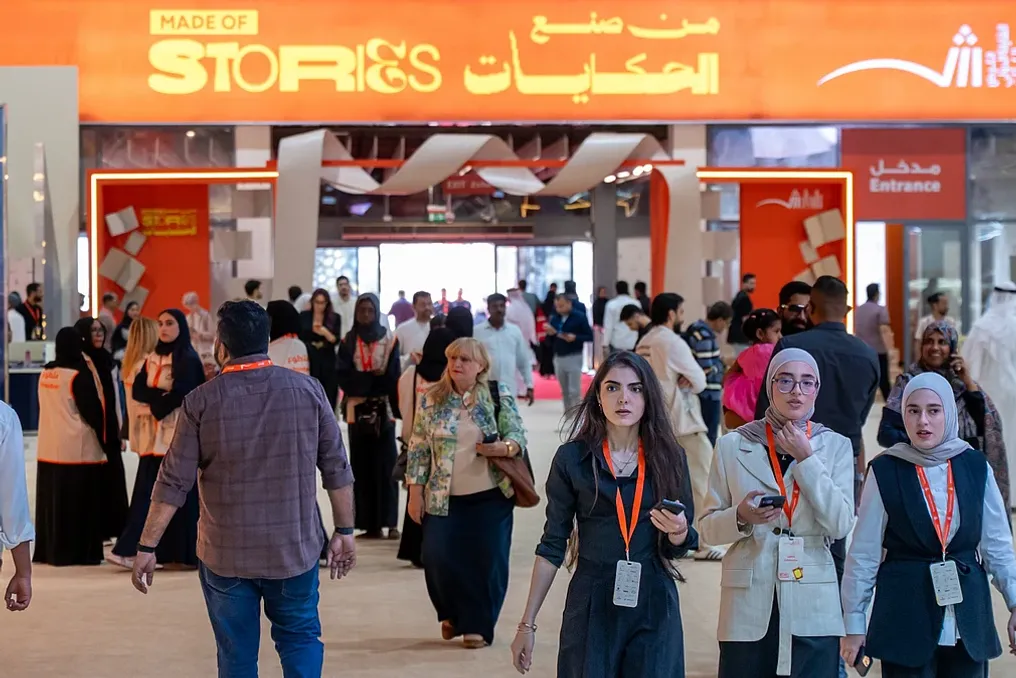
While participating in the International Book Fair in Sharjah in 2026, and speaking with Khaleej Times, Sebba emphasized that one of the greatest strengths of literature is its ability to change perspectives, especially among the younger generation.
He noted: 'The most beautiful aspect of literature is its capacity to give us the chance to change how we see the world and, consequently, define our place in it.' Through his works, Sebba explores themes of memory, history, and truth, prompting readers not to settle for simple explanations but to form their own vision of the world.
Sebba appealed to young people, stating that existing reality can be questioned and criticized. He added that imagination allows people to envision different life paths, and youth should approach the world without taking it for granted.
Amid growing uncertainty, which can exacerbate societal division, Sebba believes that books help readers find common ground. Reading allows people to experience the lives of others, even if they are separated by different cultures, countries, or historical eras. According to the author, 'when we read about their dreams, fears, and disappointments, we discover how much we have in common with them.'
For Sebba, this ability to transcend boundaries is one of literature's most vital contributions to society. He is also convinced that fictional works can help combat prejudice by introducing readers to characters whose backgrounds and choices may differ greatly from their own.
Great literature is not about presenting people as strictly good or bad; it deeply examines their motives, struggles, and internal contradictions. Sebba asserts: 'Every time a powerful literary work helps us understand a character who is different from us, it contributes to expanding our capacity to understand others.'
Sebba's personal journey has significantly influenced his creative output. Having grown up in Morocco, he later moved to France, where he engaged in literature, translation, and academic work, which impacted the themes he addresses. His novels, including 'The Zero Hour,' 'File 42,' and 'In the Labyrinths of Professor F.N.,' analyze the relationship between truth and fiction, as well as how historical events shape individual destinies.
'The Zero Hour' won the Moroccan Book Prize in 2018, and 'File 42' was nominated for the International Arabic Prose Prize in 2021. His letters also reflect the relationship between Moroccans and the rest of the world, exploring how personal memories connect to collective history.
Beyond writing novels, Sebba's experience as a literary translator has changed his approach to language. He explained that even a single word can affect how readers understand or emotionally react to a phrase. He observed: 'When translating a literary work, I realize that the choice of one word can alter the rhythm of a sentence, its meaning, or its emotional impact.'
This realization made him more attentive to language and more aware of the cultural and historical connotations that words can carry. However, Sebba does not believe that authors should strive to embed moral lessons into every story. Instead, he sees their primary duties as artistic honesty and respect for the reader.
He concludes: 'The writer's main responsibility lies in their artistic and intellectual integrity, and subsequently, in respecting the reader's intelligence.'
For young readers, his message is that literature can help them become more open to diverse viewpoints, even those they disagree with. By studying the reasons behind the choices made by fictional characters, readers develop the patience necessary for a deeper understanding of real people. Sebba believes that this willingness to look beyond the first impression is what makes literature particularly valuable in an increasingly complex world.