Rosatom plans to increase staff at Bushehr NPP to 300 employees
Read more
Tehran Times
www.tehrantimes.com

Rosatom plans to increase staff at Bushehr NPP to 300 employees

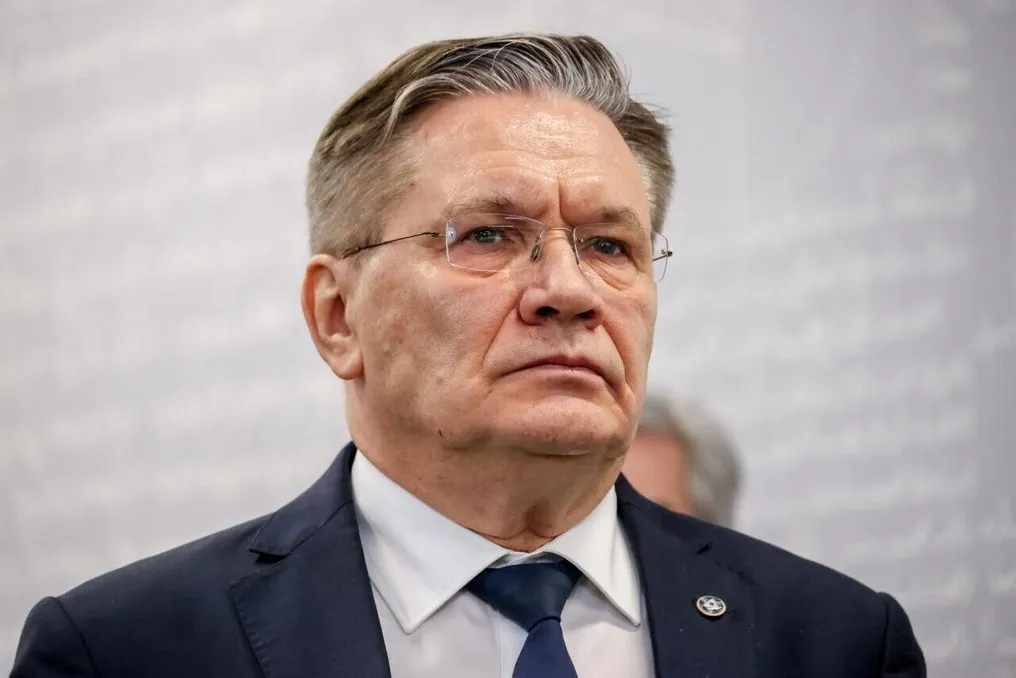
The state nuclear corporation of Russia, Rosatom, intends to increase the number of personnel at the Bushehr Nuclear Power Plant in Iran from the current 180 to 300 in the near future. This is happening against the backdrop of ongoing regional tensions as the company seeks to resume previously planned work.

Rosatom CEO Alexey Likhachev announced the plans on Friday, citing the TASS news agency. He stated that the company does not see significant risks that could impede the pace of work at the site. Likhachev noted that the staff is currently growing, and they plan to reach a level of 300 in the foreseeable future.

Despite the persistent regional tension, Rosatom is working to restore operations according to the original schedule and achieve the target staffing level within the next year. Previously, on October 28, Likhachev stated that the corporation aims to increase the number of Russian specialists in Iran to 700. Before that, Rosatom evacuated hundreds of its employees from the country due to security concerns following aggression by the US and Israel against Iran.

In November 2025, Likhachev informed Channel One that Rosatom plans to build two additional nuclear power units, each with a capacity of 1000 megawatts, in addition to the existing unit at the Bushehr plant, adding that construction is proceeding according to plan.

Meanwhile, on September 24, 2025, Iran and Russia signed a memorandum of understanding regarding cooperation in the construction of small nuclear power plants in Iran. This agreement was concluded after a meeting in Moscow between the head of the Iranian Atomic Energy Organization (AEOI), Mohammad Eslami, and Alexey Likhachev.

Two days later, on September 26, an agreement worth $25 billion was signed for the construction of four modern third-generation nuclear power units in Sirik, Hormozgan province. This agreement was made between the Iran Hormoz Company and the Rosatom project company.
Similar stories

Jizzakh Region Discussed Manpower Issues for Nuclear Power Plant Project
Read more
uzdaily.uz

Jizzakh Region Discussed Manpower Issues for Nuclear Power Plant Project

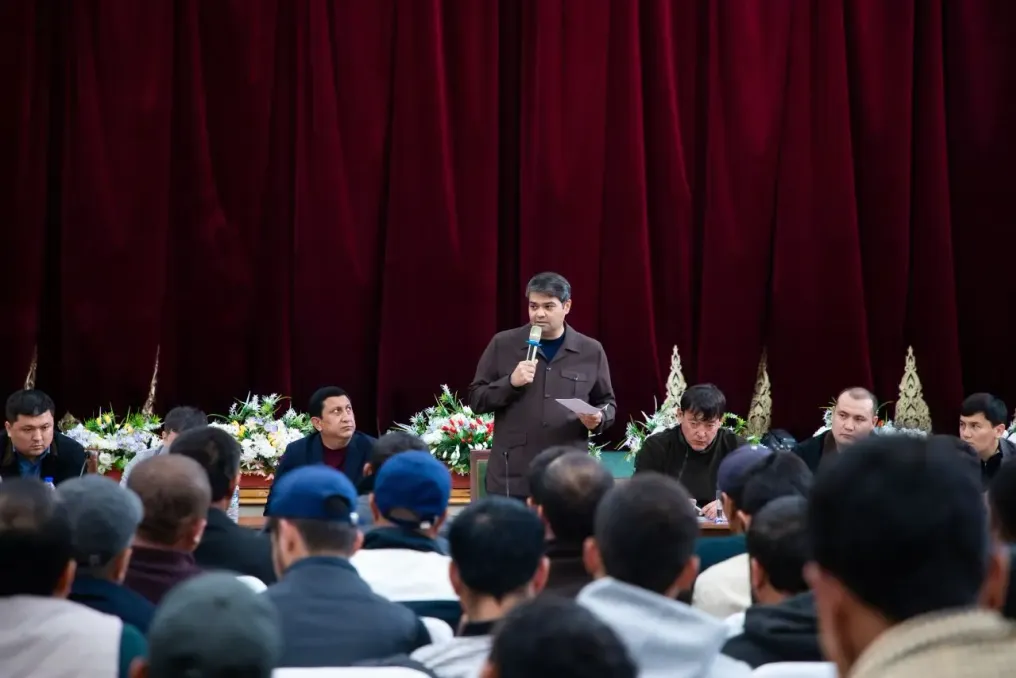
On November 6, an unscheduled public meeting was held in the village of Bogdan, located in the Fergana district of Jizzakh region, Uzbekistan. The event took place in a hybrid format and gathered about 500 people.

Azim Akhmedkhadzhayev, Director of the Atomic Energy Agency of Uzbekistan under the Cabinet of Ministers (Uzatom), conducted this meeting. The main topics raised by residents concerned employment and personnel training for the construction of the nuclear power plant project.

Participants and Residents' Questions

The Hokim of the Fergana district, heads of relevant Uzatom departments, representatives of organizations involved in the NPP construction, as well as heads of educational and specialized institutions were present. Residents asked questions regarding employment, education, internships, and training of mid-level specialists. Akhmedkhadzhayev provided clarifications on requests within the agency's competence, while other issues were recorded for further consideration.

Regional Development Plans

During the meeting, officials presented plans to create a specialized industrial zone in the Fergana district, build a nuclear city, and launch training programs for mid-level specialists next year. The head of Uzatom emphasized that local residents would be given priority when hiring workers for the project sites, which should create additional jobs in the region.

Akhmedkhadzhayev stressed the need for open dialogue with the population to inform the public about the progress of the project implementation and related opportunities. All requests received at the reception were documented and passed on for monitoring. The Agency plans to continue holding public meetings and informing residents about the progress of the nuclear power plant construction.

Rosatom developed zero-waste lithium processing technology in Uzbekistan
Read more
uzdaily.uz

Rosatom developed zero-waste lithium processing technology in Uzbekistan

Scientists from the Russian State Corporation Rosatom have created a technology to process mica containing lithium, mined at the Nurlikon deposit in Uzbekistan, that produces no waste.

According to Rosatom's press service, this method allows for the extraction of 94.44% of the lithium into finished products, as well as the reuse of industrial waste in the production cycle.

The development belongs to specialists from JSC 'Giredmet', which is part of Rosatom's scientific division. The technology is designed for processing ore containing about 0.5% lithium oxide.

According to the developers, traditional enrichment methods cannot effectively separate the mineral from the surrounding rock due to the similarity of their properties. Furthermore, the high content of carbonates in the raw material creates additional complexities in the processing process.

One of the key aspects of the new technology is the use of phosphogypsum—an industrial byproduct of the Almalyk Chemical Plant—as raw material at an intermediate stage of processing. It is expected that this will allow for the annual use of about 225,000 tons of phosphogypsum.

The planned processing capacity is 750,000 tons of ore per year. JSC 'Giredmet' reports that this will ensure the production of over 8,500 tons of high-purity lithium carbonate grade KhCh.

The technology is designed to eliminate the formation of both liquid and solid waste. Washing tailings are planned to be used as raw material for the cement industry.

Valery Golovko, head of the technical department of JSC 'Giredmet', noted: 'We deliberately chose a zero-waste model. For low-grade mica ores, this is not just an environmental requirement but an economic necessity. Phosphogypsum, which is currently an industrial waste, is turned into a reagent, and washing tailings become raw material for the cement industry. As a result, we obtain high-purity lithium carbonate.'

Golovko also reported that pilot-industrial tests are planned for next year to prepare the technology for full-scale implementation.

Popular