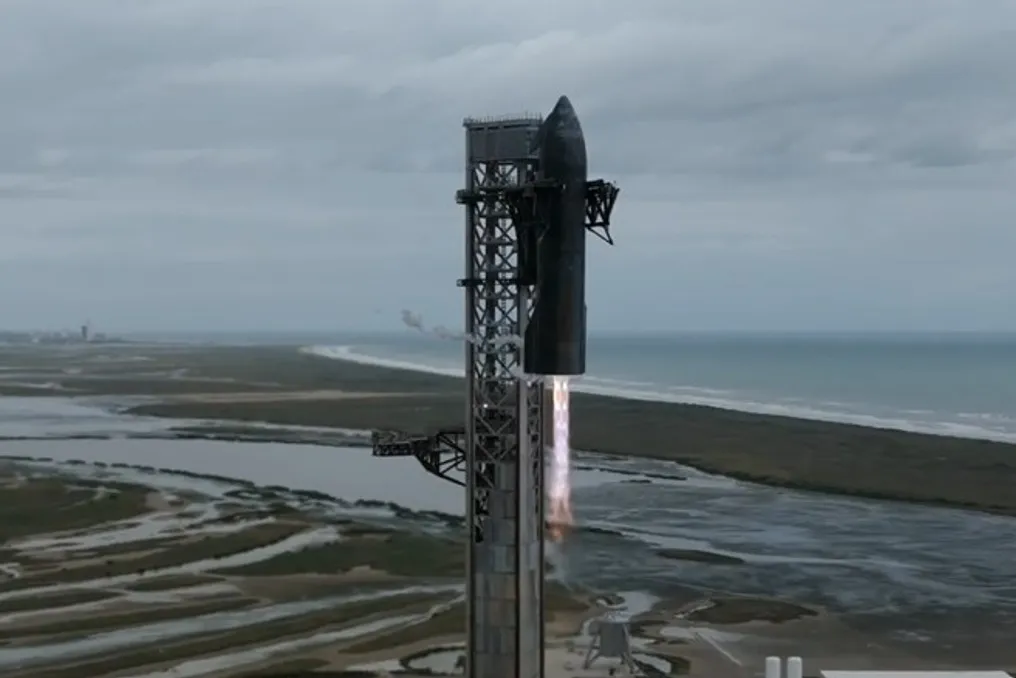
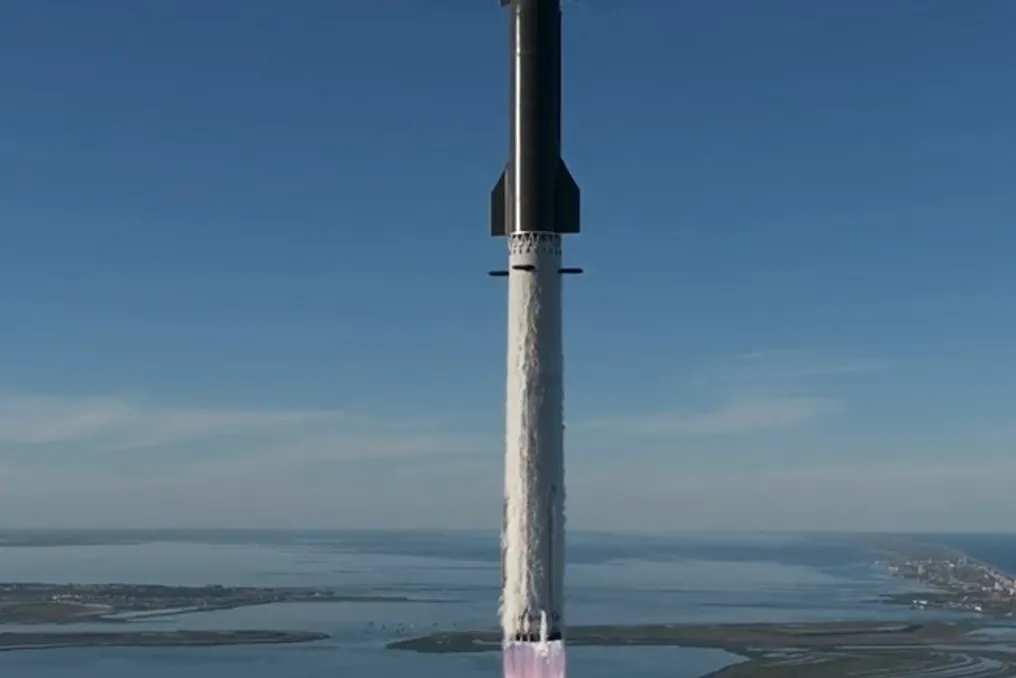
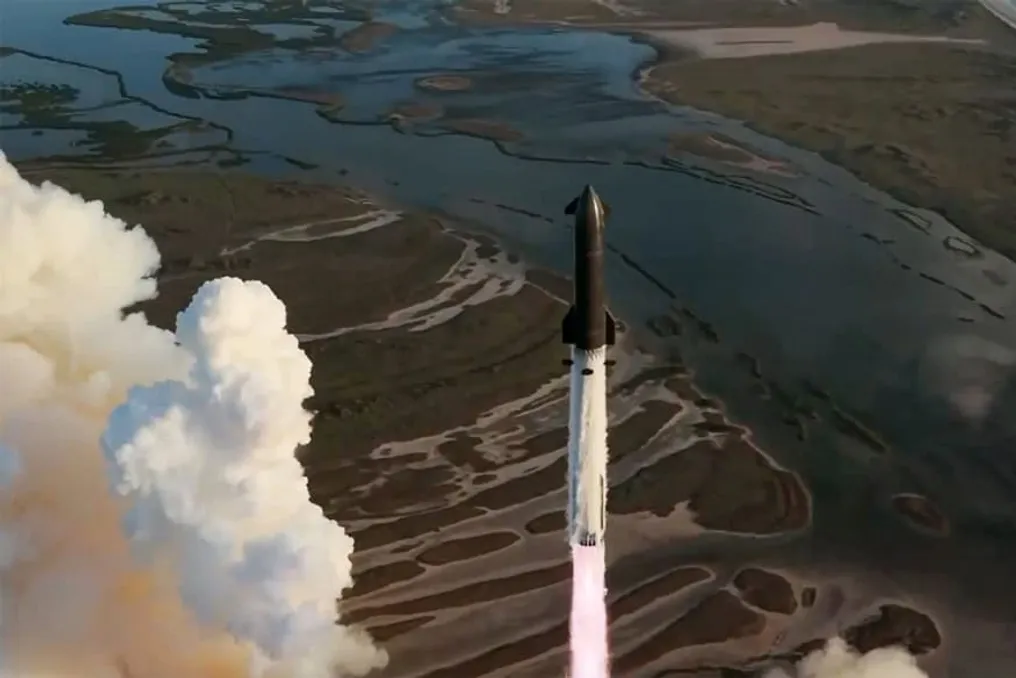
SpaceX is preparing for the 15th test flight of the Starship rocket, a mission that has the potential to be historic due to an unprecedented feat. The company aims to recover both the Super Heavy booster, which provides the initial thrust during takeoff, and the Starship spacecraft, which will continue its space trajectory after separation.
Both components are scheduled to return to the base located in Boca Chica, South Texas. The recovery will be performed by the mechanical arms of the launch tower, known as Mechazilla, a structure previously used to support the rocket before launch.
If the operation is successful, this will be the first time that both stages of an orbital launch system are captured in this manner. The launch is scheduled for Friday, November 13, pending regulatory approval, with a planned takeoff at 7:45 PM Brasília time, within a 75-minute window closing at 9:00 PM. Live coverage will be available on all Olhar Digital platforms starting at 7:30 PM.
The Starship vehicle complex consists of two stages. The first, Super Heavy, is about 72 meters tall and is responsible for generating the necessary thrust for liftoff. The second stage, the Starship (or Ship), measures approximately 52 meters and continues its journey through space after detaching from the booster. Together, they constitute the most powerful and largest rocket in the world, exceeding 124 meters in height.
The goal of this Friday's flight is to ensure the return of both stages to the base, supported by the tower's mechanical arms, called chopsticks. Although SpaceX has already demonstrated the recovery of the Super Heavy using this method in previous flights, capturing the ship has not yet been attempted.
The booster is expected to return about six minutes and thirty seconds after takeoff. The Starship, however, will have a longer trajectory, including passage through Earth orbit, atmospheric reentry, and an approach maneuver to the tower. The plan anticipates that the Starship will reach about 275 km in altitude and complete approximately 14 orbits around the Earth. The total flight may exceed 22 hours, with the return expected on Saturday, the 14th. The announced reentry window ranges between 5:56 PM and 9:14 PM (Brasília time), but the exact moment of the capture attempt will depend on the mission's progress.
During the flight, the ship is set to release 26 Starlink V3 satellites, next-generation models intended to expand the capacity of the company's satellite internet network. This procedure is scheduled to occur within the first 90 minutes of flight, according to the schedule provided by SpaceX.
In a previous mission, conducted on September 28, Starship reached Earth orbit for the first time. On that occasion, the vehicle released 26 satellites and completed two laps around the planet before ending its trajectory in the Pacific Ocean, north of Hawaii. That flight lasted approximately three hours and did not include an attempt to return to base.
SpaceX has established alternative routes in case the capture fails. According to the company, the ship may follow a safe suborbital trajectory or return to the atmosphere towards predefined ocean areas, indicating that the recovery of both stages at the tower is not guaranteed.