First Indian Cosmonaut Shubhanshu Shukra Shares Stories About ISS Flight and Plans for the Moon
Read more
Aaj Tak
www.aajtak.in

First Indian Cosmonaut Shubhanshu Shukra Shares Stories About ISS Flight and Plans for the Moon

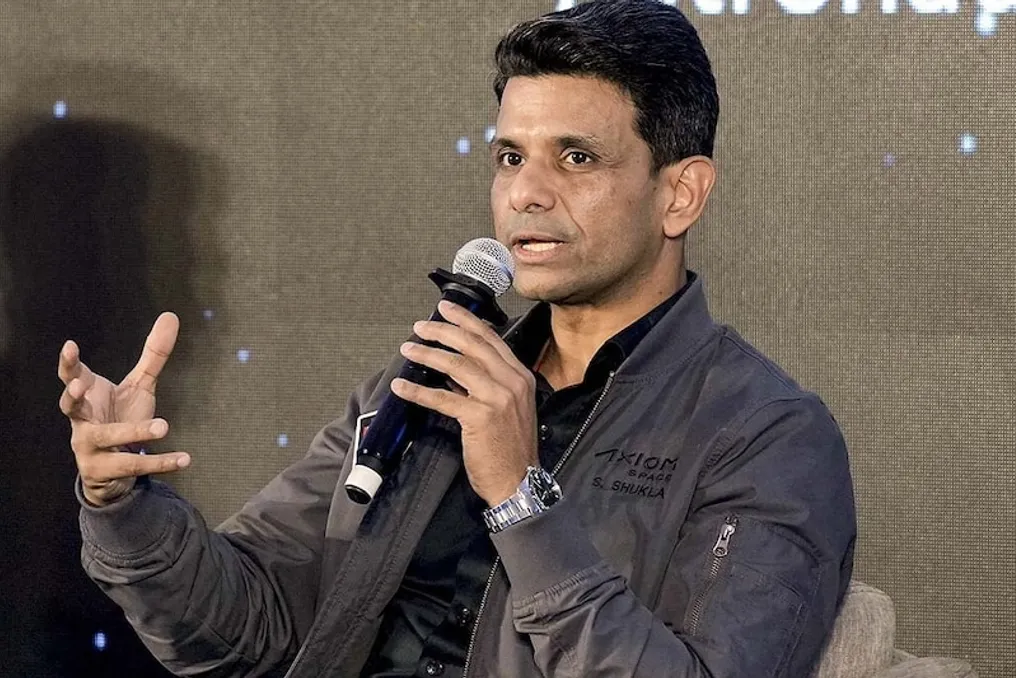
The first Indian astronaut, Captain Shubhanshu Shukra, who explored the infinite depths of space, has now focused his attention on the Moon. After planting the Indian flag on the International Space Station (ISS), he shared his next major goal, stating that his true dream is to see an Indian raise the flag on the lunar surface by 2040.

At the 10th Military Literature Festival held in Chandigarh, he spoke not only about unpublished aspects of his exciting 20-day space journey but also extensively about the preparation for India's ambitious 'Gaganyaan' mission. He noted that during the Axiom Mission-4, which was set to carry him into space in June 2025, he never felt alone because the entire nation participated in this mission.

He reported that returning from the International Space Station in a capsule was completely different from what he expected. According to him, this experience was very fast, chaotic, and disorganized. He admitted: 'When we were leaving the ISS, for a moment I wondered if it was right to decide to fly into space. Initial anxiety and confusion during any big challenge are natural.'

Captain Shukra urged the youth to study science and realize their dreams, emphasizing that the foundation for big dreams is laid in classrooms. Courage and bravery are necessary to achieve these goals.

Sharing his experience of spending over 20 days on a SpaceX Falcon-9 rocket, Shukra said that initially, after losing gravity, the body feels very strange. In space, a person's length increases, and heart size decreases. Various changes occur in both the body and mental state. Although preparations are made for any problem, true strength comes from the conviction that one must return to serve society through research.

Shukra advised the youth not to be afraid of difficulties but to confront them. Citing mission director Dr. Peggy Whitson, he recounted that she had to face nine failures before getting a chance to fly into space at the age of 39. He added that Dr. Whitson currently holds the record for the longest stay in space, serving as inspiration for those who feel discouraged at any stage of life.
Similar stories

NASA opens astronaut recruitment for 2026 missions to the Moon and Mars
Read more
www.aajtak.in

NASA opens astronaut recruitment for 2026 missions to the Moon and Mars

The National Aeronautics and Space Administration (NASA) has begun accepting applications from candidates for new astronaut programs that will participate in missions to establish a permanent human presence on the Moon. Selected specialists will contribute to the preparation for the Artemis program, the future lunar base, and subsequent missions to Mars.

The American space agency is looking for people capable of working at the proposed lunar base. These astronauts will also help accumulate the necessary technologies and experience for sending humans to Mars. NASA plans to send astronauts back to the lunar surface in 2028.

Applications are open only to US citizens, and the deadline for submission is set for December 4th at 10:29 AM Indian Time. The agency reports that the next crew will undergo training to perform complex missions, including expeditions to the lunar surface. Final selection is expected to be announced in late 2027.

The lunar base project is part of NASA's large-scale plan to ensure long-term human presence on the Moon. The goal is not just to send astronauts for a short time and bring them back to Earth, but to create conditions for prolonged work and life on the Moon.

As part of the Artemis program, NASA aims to return astronauts to the lunar surface. The agency is developing plans to explore areas near the Moon's south pole and gradually create the infrastructure necessary for long-term habitation. NASA Moon Base previously stated that 'there is no such thing as too high a goal, too distant a path, or too difficult terrain; we are going back to the Moon. This time, we are going to live there.'

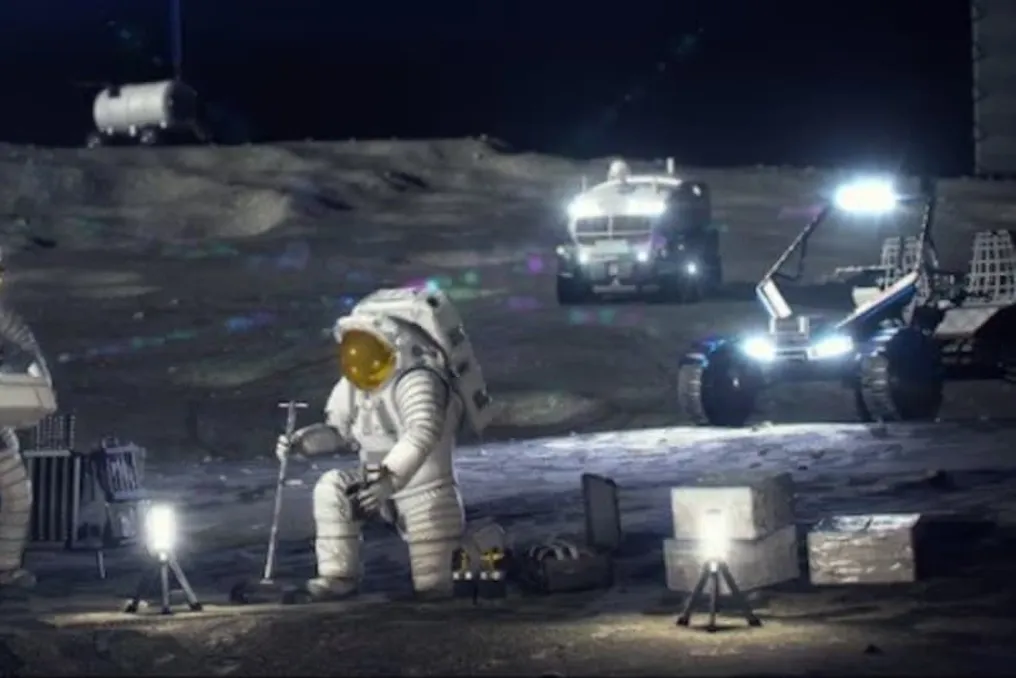
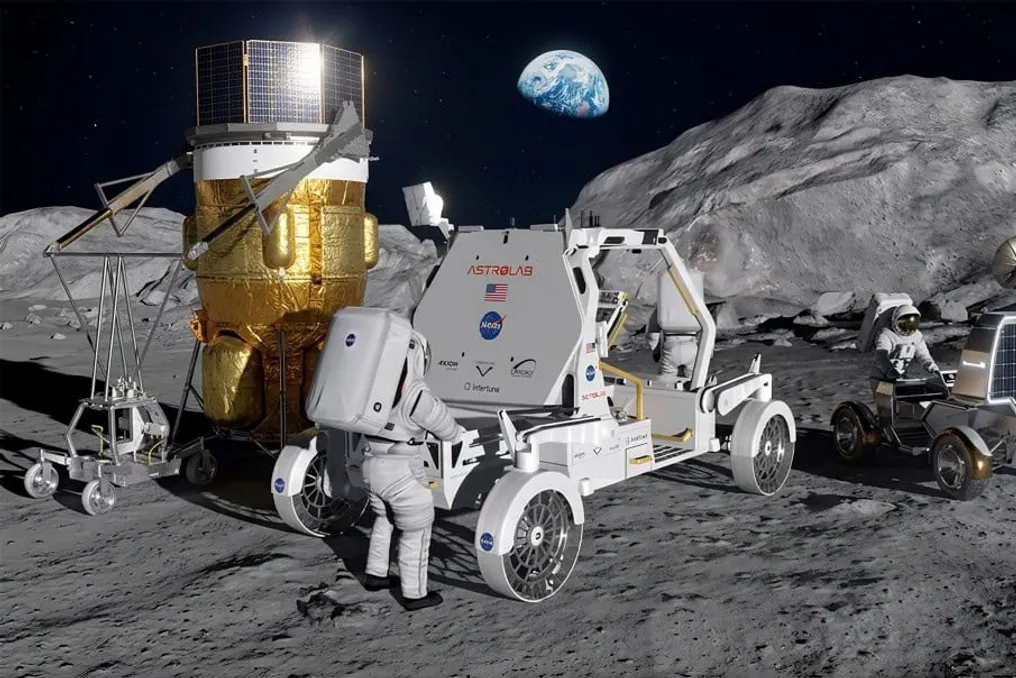
The proposed lunar base may include living quarters, power sources, vehicles, and robotic equipment. This will allow astronauts to conduct scientific research, explore the surroundings, and work on the Moon for extended periods. The Moon's south pole is of particular significance because scientists believe there is water ice present in permanently shadowed regions, which could serve as a source of water and oxygen for future missions.

NASA's long-term goal is to use the experience gained on the Moon to prepare for sending humans to Mars.

Under the Artemis program, NASA has set a goal to land astronauts on the lunar surface in 2028. These missions are intended to lay the foundation for a long-term human presence on the Moon. Private companies such as SpaceX and Blue Origin, which develop spacecraft and lunar landing systems for NASA, are involved in the planning.

However, creating a fully functional lunar base will take significantly longer than the first landing. This will require regular mission launches and the gradual creation of equipment and infrastructure capable of meeting astronauts' needs far from Earth.

Recruitment is exclusively open to US citizens. Candidates must hold a master's degree in science, technology, engineering, or mathematics, along with at least three years of professional experience in the relevant field. Medical qualifications or certain doctoral degrees and test pilot training may substitute for the educational requirement. Pilots must meet established flight hour requirements.

All applicants must undergo a NASA medical examination to participate in long-duration space flights. In addition to professional skills, the agency will assess the candidate's abilities in leadership, teamwork, and communication.

NASA Moon Base reported in a post dated August 4, 2026, that the clean room access process had begun. This announcement presented commercial spacecraft from Blue Origin, Firefly Space, Int Machines, and Voyager Tech, which will deliver NASA scientific developments and technologies to the Moon to build the first lunar base.

NASA postpones crewed Moon landing to 2028 and alters test mission plans
Read more
olhardigital.com.br

NASA postpones crewed Moon landing to 2028 and alters test mission plans

NASA has released new guidelines to accelerate the return of astronauts to the lunar surface, altering the initial schedule. The agency plans to execute a test mission in Earth orbit in 2027, concentrating the next crewed landing attempt on the Artemis 4 mission, scheduled for 2028.

These updates were communicated on October 23 by NASA Administrator Jared Isaacman, along with other agency leaders. The overall goal of this strategic adjustment is to reduce technical risks, expedite the development of necessary equipment, and pave the way for a continuous human presence on the natural satellite.

The main modification concerns the Artemis 3 mission. Unlike previous planning, which anticipated a lunar landing, this mission will focus on testing crucial components for future activities on the Moon's surface.

Four astronauts will board the Orion capsule, which will be launched by the SLS (Space Launch System) rocket. This journey is expected to last 14 days and will take place in low Earth orbit. During this period, NASA will verify the rendezvous, approach, and docking procedures between Orion and prototypes of lunar modules created by SpaceX and Blue Origin.

The crewed landing is now set for Artemis 4 in 2028. This mission will also utilize the Orion capsule and the SLS rocket, with the launch scheduled from the Kennedy Space Center in Florida, USA.

To reach the lunar surface, NASA is evaluating two transport options provided by private companies. SpaceX proposes refueling the Starship in Earth orbit, at which point the spacecraft will meet Orion to head toward the Moon. On the other hand, Blue Origin plans to use orbital transfer stages in Earth orbit to propel its Blue Moon Mark 2 module to the Moon; this vehicle will rendezvous with Orion in a lunar orbit closer to the satellite before beginning the descent.

Both companies are committed to making their systems available for the 2028 crewed landing. Furthermore, NASA is studying two possible configurations for the upper stage of the SLS rocket on Artemis 4: maintaining the existing cryogenic propulsion stage or adopting an extended version of the Centaur V, manufactured by United Launch Alliance, which has greater propellant carrying capacity. This analysis aims to keep options open and prevent the program from depending on only one configuration.

Another reported advancement relates to the equipment astronauts will use on the lunar surface. The agency has partnered with Axiom Space to develop a second type of space suit, lighter, called the Sortie suit. This new equipment will weigh about half as much as the main suit developed by Axiom and will be used during the first lunar walks. It is important to note that it will not replace the primary Axiom model, which will remain reserved for more extensive and challenging tasks in future missions.

With the progress of the Artemis program, NASA aims to conduct progressively more complex expeditions in the lunar south pole region, expanding scientific knowledge about the satellite and establishing a lasting human presence beyond Earth. The agency also views these operations as part of the technological and operational preparation for future crewed missions to Mars.

India's Second Spaceport in Kulasakarapattinam: First Launch Scheduled for 2027
Read more
www.aajtak.in

India's Second Spaceport in Kulasakarapattinam: First Launch Scheduled for 2027

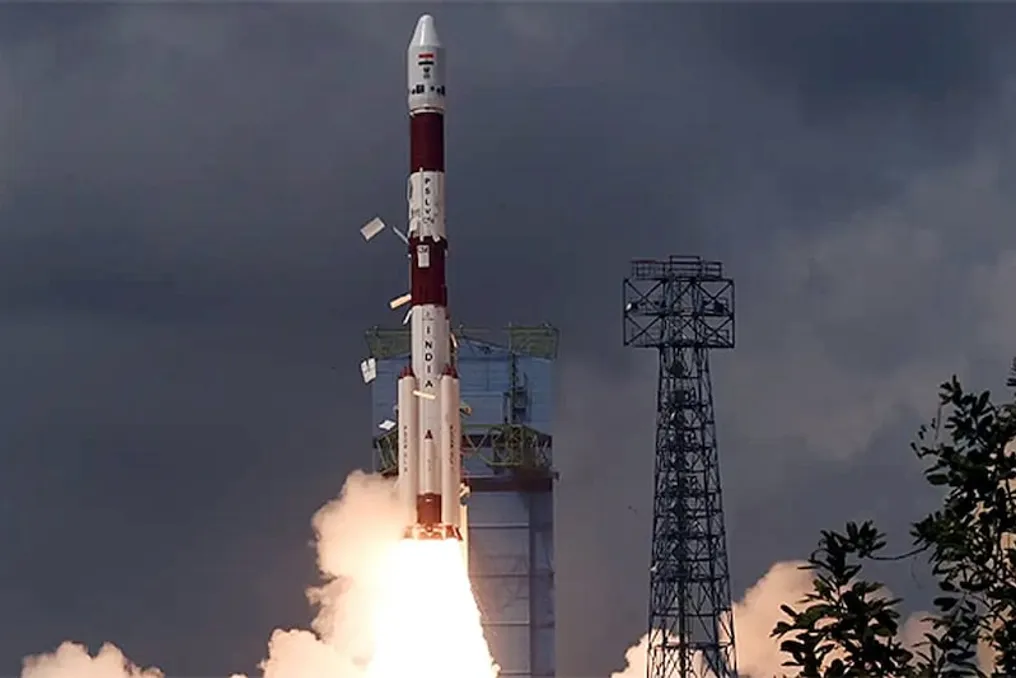
The Indian Space Research Organisation (ISRO) has announced a significant step in the space sector. ISRO Chairman, V. Narayanan, reported that the first rocket launch from the Kulasakarapattinam spaceport, located in the Tuticorin district of Tamil Nadu state, is expected in March or April 2027.

This facility will be the second operational spaceport in India after the Satish Dhawan Space Centre in Sriharikota. With a reduced dependence on Sriharikota, the country's launch potential will be expanded. The foundation of this project was laid by Prime Minister Narendra Modi in February 2024, and construction work is progressing rapidly.

The geographical location of Kulasakarapattinam gives it special significance as it is situated on the southern coast of India, allowing rockets to fly directly over the Indian Ocean. This reduces the risk of flying over densely populated land areas and enhances safety. The primary focus here is on launching small launch vehicles, such as the SSLV.

The SSLV is designed to send small satellites into space at low cost; it is capable of carrying a payload of up to 500 kilograms. Global demand for small satellites is growing rapidly, especially in the fields of communications, Earth observation, and internet services. The new spaceport will allow India to increase its share in this market.

Until now, almost all of India's orbital launches have been conducted from Sriharikota. The excessive number of launches in one location creates pressure on time and resources. The new spaceport will help distribute this load. Furthermore, it will provide opportunities for private companies.

India actively encourages private participation in the space industry, and many startups are involved in creating small satellites and providing launch services. Kulasakarapattinam will become a convenient location for these companies, leading to an increase in both public and commercial launches. ISRO's goal is to have four operational launch sites by 2029, and this new base will play an important role in achieving this.

The project will also have a positive impact on the local economy of Tamil Nadu by creating new jobs and fostering technical expertise. This will strengthen India's image on the international stage. India is already competitive in launching small satellites, and the new spaceport will increase launch frequency and reduce costs.

Overall, the Kulasakarapattinam spaceport will make India's space program more self-sufficient and expansive. The first launch in 2027 will be a major milestone in this direction, demonstrating India's continuous progress in the space sector and strengthening its global presence. Construction includes modern facilities such as integration buildings, launch pads, and tracking systems.

Popular