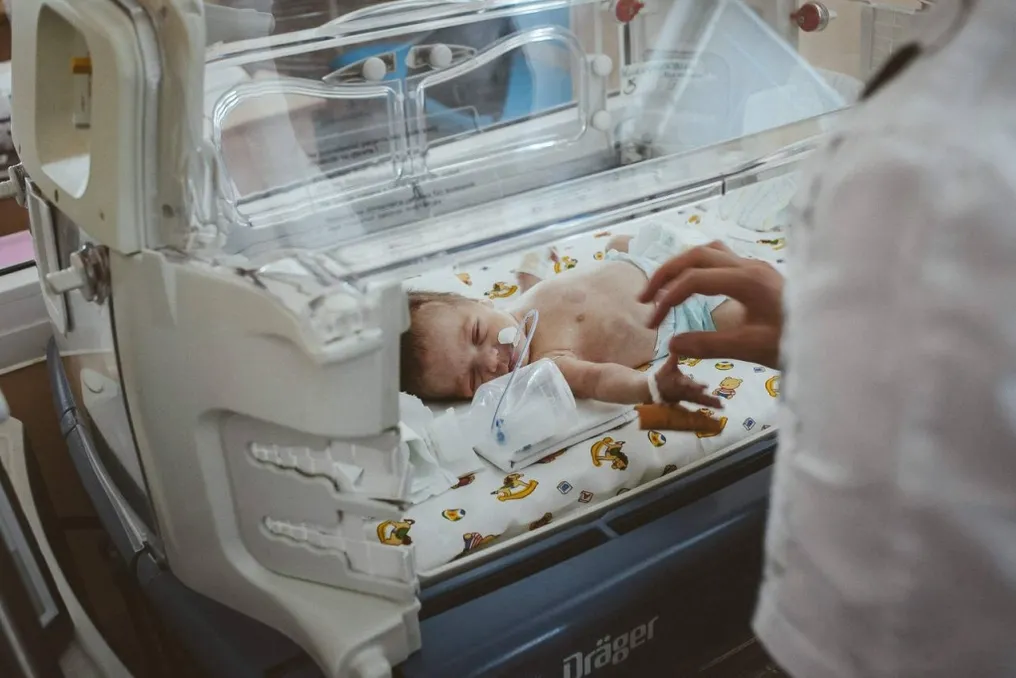
According to UNICEF data, approximately 9% of children in Uzbekistan are born prematurely. For these babies, the first months of life are associated not only with gaining weight and adjusting to home but also with the fact that the lungs of a premature child continue to mature, making them more susceptible to respiratory diseases. During a discussion on World Prematurity Day, Dr. of Medical Sciences, Professor, and Chief Pediatric Pulmonologist of the Ministry of Health of Uzbekistan, as well as the head of the pulmonology department at the Republican Specialized Scientific and Practical Medical Center of Pediatrics in Tashkent, Furqat Shamsiyev, discussed the development of the respiratory system in such infants and the protective methods parents can use.
How underdeveloped lungs develop
According to Furqat Shamsiyev, prematurity primarily means that the child begins to breathe independently before their lungs are fully ready for this process. The doctor explained that since lung formation is gradual, the earlier the birth occurs, the less time the respiratory system has to prepare. This may require oxygen or artificial ventilation for some children, and in others, it can lead to bronchopulmonary dysplasia.
Nevertheless, the specialist emphasized that breathing problems do not necessarily persist throughout life, as the lungs continue to grow and develop after birth. However, in the initial months, the baby's respiratory system is still strengthening, which can cause them to tolerate infections or exposure to polluted air more severely.
Life after discharge
Shamsiyev stressed the importance of caring for the baby's lungs when they transition to a normal home environment. He noted that after discharge, the child is strong enough to be at home, but their respiratory system continues to improve. Therefore, doctors assess not only weight gain and overall development but also how the baby breathes and how they cope with respiratory infections.
For a premature baby, infections pose a special risk because their airways remain very narrow, the lung tissue continues to mature, and the overall respiratory reserve is smaller than that of a full-term infant. If a child is diagnosed with bronchopulmonary dysplasia, the load on the lungs increases. Consequently, even minor swelling of the airways can significantly impede breathing, and such swelling is most often triggered by respiratory viruses.
The pulmonologist specifically highlighted RSV infection, calling it the leading cause of acute lower respiratory tract infections in children worldwide. This virus can cause bronchiolitis, and premature children are in a high-risk group for severe progression. According to the World Health Organization, this infection leads to more than 3.6 million hospitalizations and about 100 thousand deaths among children under five globally.
Regarding Uzbekistan, Shamsiyev reported no specific data on RSV incidence among premature children. Nevertheless, general epidemiological information indicates widespread circulation of this infection: according to official statistics, in the 2025/26 season, 27.1% of positive results in patients with severe acute respiratory infections were due to respiratory viruses.
Why is RSV dangerous?
The doctor explained the increased risk associated with RSV due to several factors. Firstly, this virus is very common: about 70% of children contract the disease in the first year of life, and almost every child by the second year. However, for babies born prematurely, RSV can affect the lower airways and cause bronchiolitis.
Shamsiyev compared the airways to a tree, where bronchioles are the finest branches. This is what the RSV attacks: infected cells clump together, forming syncytium, which gave the virus its name. The affected epithelium sloughs off, the walls of the bronchioles swell, and mucus appears. Since the lumen of the bronchioles is initially very small in an infant, even slight swelling combined with plugs of mucus and dead cells can significantly complicate air intake.
According to the specialist, children in the risk group can suffer from this infection in a severe form requiring hospitalization, oxygen therapy, or artificial ventilation. Furthermore, the onset of the infection is often indistinguishable from a common cold: symptoms include runny nose, cough, decreased appetite, and fever.
When is it more than just a cold?
To distinguish a common cold from a more serious condition, parents, according to the doctor's advice, should primarily pay attention to the baby's breathing, feeding process, and overall behavior. Shamsiyev advised seeking immediate medical attention if the child starts breathing noticeably faster, inhalation requires effort, the chest sinks in, or wheezing occurs. A worrying sign is also when the child constantly has to interrupt feeding to catch their breath.
Additionally, sudden weakness or refusal to eat should alarm parents. The doctor strongly warned: if the child is clearly having difficulty breathing, shows bluish discoloration around the lips, or stops breathing, help cannot wait; immediate medical intervention is necessary.
Protection without quarantine
Furqat Shamsiyev believes that a premature baby can be protected from severe respiratory infections without turning the home into a quarantine zone. It is impossible to completely isolate a child from viruses, and apartment sterility is not required. Basic measures are important: maintaining hand hygiene, regular ventilation, and careful consideration of contacts.
The doctor acknowledged the desire of relatives—grandparents, brothers, and sisters—to see the newborn, especially if the baby has been in the hospital for a long time. However, for a premature baby in the first few months, it is better to limit social contact. Shamsiyev added that the traditional gentle care for the mother and baby in the first weeks has a medical basis, but for premature babies, this period of caution should sometimes be extended, guided by the child's condition and the treating physician's recommendations. For some children in high-risk groups, there are special preventive measures that are discussed in detail with parents.
Consequences for the future
Shamsiyev explained that severe respiratory infections at an early age can indeed have long-term consequences. After serious lower respiratory tract infections, some children may experience episodes of wheezing or changes in lung function.
Regarding the RSV virus, the doctor stated that it has a greater ability to 'reprogram' the immature immune system of an infant compared to other infections, causing an excessively vigorous and allergic reaction to any irritants. This makes the child's airways hypersensitive and prone to spasms, which in the future can increase the likelihood of developing bronchial asthma or chronic allergies.
He also emphasized that the danger of RSV is not limited to premature children; severe RSV infection in full-term infants can also trigger wheezing and contribute to the development of allergic diseases and asthma. Therefore, if symptoms appear, a doctor should be consulted for treatment or prevention.
Combining traditions and modern recommendations
The 'beshik' retains its significance in Uzbek family culture, but parents are increasingly wondering how to harmoniously combine traditional care with modern medical advice. Shamsiyev stated that for the doctor, the traditional or modern method of care itself is not crucial, but rather the specific child: whether they breathe freely, whether they overheat, how their sleep is organized, and whether they have any individual medical restrictions.
The specialist advised that if a baby was born extremely premature, has bronchopulmonary dysplasia, or other respiratory system peculiarities, the care should be discussed separately with a doctor. Often, there is no need to contrast traditions and modern medical norms; it is sufficient to adapt some elements of care to the condition of the specific infant.
Advice for parents
Addressing parents of premature babies on World Prematurity Day, Shamsiyev noted that the first weeks and months of life for such babies remain in parents' memories for a long time. Often, the word 'premature' is perceived as a lifelong label, but the doctor insists that prematurity should not become a permanent diagnosis.
He emphasized that the lungs, like the entire body system of the baby, continue to develop with attentive observation and care. In this period, multifaceted protection is critically important: hands must be washed, contact with sick people must be avoided, and consultation with a doctor about the need for additional protection should occur in advance. Shamsiyev concluded by reminding parents that they are not alone with their worries; everything that causes concern—breathing, feeding, sleep, any cough or runny nose—should be discussed with a doctor, as the main common goal is the baby's health.