Angra dos Reis suspends Sustainable Tourism Fee collection in Ilha Grande
Read more
Viagem e Turismo
viagemeturismo.abril.com.br

Angra dos Reis suspends Sustainable Tourism Fee collection in Ilha Grande

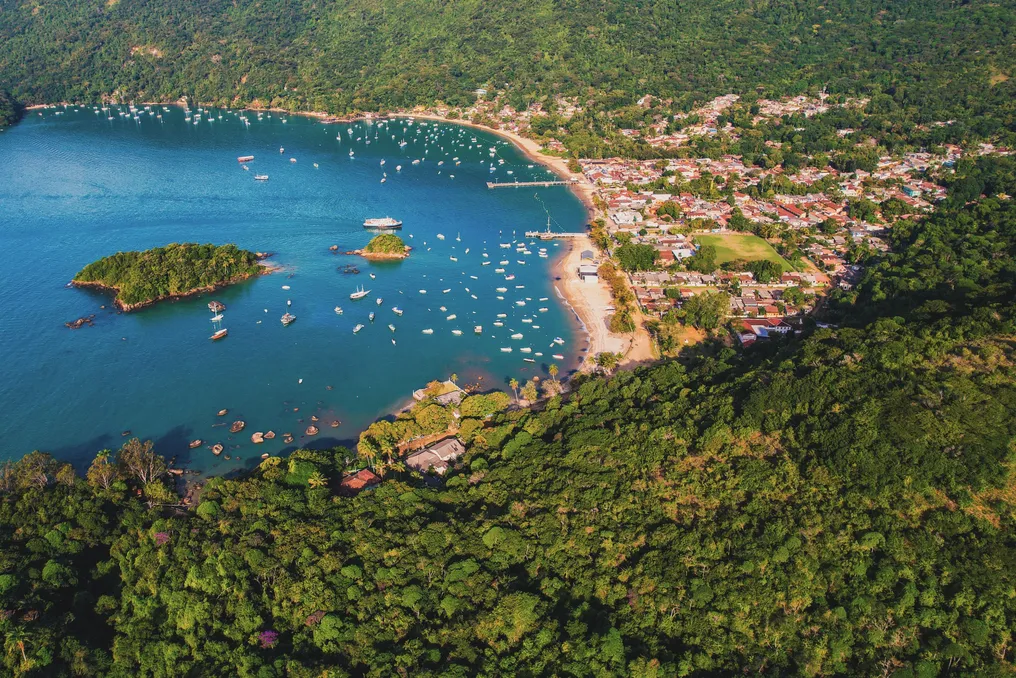
Angra dos Reis suspended the collection of the Sustainable Tourism Fee (TTS) last Wednesday, the 11th. This decision was made after the city canceled the contract with CashPago, which was responsible for implementing the fee collection system. In a statement, the municipal administration mentioned that the company failed to meet contractual obligations, although it did not specify what these irregularities were.

According to the city hall, the revenue generated by the TTS totaled R$ 4.21 million, an amount that would be directed towards basic sanitation projects and infrastructure improvements on Ilha Grande.

The suspension of the collection occurs one week before the start of the cruise season for 2026/2027, scheduled for November 18th. Until March, 51 ship stops are planned in Angra dos Reis, 34 of them on Ilha Grande and 17 in the continental territory.

The arrival of these ships has the potential to boost local commerce and the tourism sector, benefiting restaurants, shops, guides, and maritime transport companies.

The TTS began on June 1, 2026, and was applicable to tourists visiting both the mainland and the islands of Angra dos Reis. The cost varied depending on the destination of the trip and the starting point. The standard fee was R$ 50 per person, valid for 30 days.

For day trips to the islands, departing from the Santa Luzia Station in Angra, the value was R$ 28. Visitors boarding from other locations, such as Mangaratiba and Conceição de Jacareí, paid R$ 50 upon proof of at least two nights in regulated accommodation in Angra; without this proof, the value rose to R$ 100. Payments could be made through the Viva Angra system, on the official website, or at kiosks installed in the municipality.

There were exempt categories, including residents and their relatives up to the second degree, service providers, children under 12 years old, seniors over 60 years old, and people with disabilities, requiring prior registration on the Viva Angra portal to benefit from this exemption.

Since its implementation, the fee has generated protests from residents, merchants, and tourism professionals. Some protesters alleged that the charge could discourage visitors and harm businesses dependent on tourist flow.

The dissatisfaction culminated in acts of vandalism. On the morning of June 1st, the start date of the collection, two service kiosks were set on fire in Vila do Abraão, on Ilha Grande. Surveillance cameras captured two individuals approaching the equipment around 3 am.

Additionally, the TTS was subject to questioning by the State Audit Court of Rio de Janeiro. Technicians from the body identified flaws in the collection model and suggested the immediate suspension of the fee. On October 30th, the court opted to pause the analysis of the case for 45 days due to a lawsuit filed by state deputy Marcelo Dino (PL) contesting the constitutionality of the charge before the Rio de Janeiro Court of Justice.


Similar stories

Mahushe Shongwe Reserve in Lowveld Established on Communal Lands
Read more
getaway.co.za

Mahushe Shongwe Reserve in Lowveld Established on Communal Lands

Near the village of Mzinti, there is a small reserve in the Mpumalanga province that combines bird watching along the river, bush safaris, and a history of nature conservation closely linked to local residents.

When visiting Mahushe Shongwe Reserve, it is recommended to bring binoculars. The seasonal Mzinti River flows through the reserve, with sycamore figs and jackberries growing along its banks. The provincial parks agency indicates that one can spot the purple-headed turaco here, which should be looked for by the red splash on its wings.

The reserve covers an area of about 1140 hectares near the village of Mzinti, in the Nkomaazi Lowveld area of Mpumalanga province. Low granite hills give way to plantations, where tamboti and russet scrub willow grow among thorny trees.

Mahushe Shongwe was established in 1986 as the first community-level nature conservation project in the former homeland of Kangwane. It was established on communal lands, and the initial agreement stipulated that the Mzinti community would share income from wildlife meat sales with the then Mpumalanga Park Board.

The perception of this agreement varied from person to person. According to a 2007 study by geographer Brian H. King, some Mzinti residents pointed to opportunities for employment, education, and development. For households dependent on communal lands for grazing livestock or collecting resources such as firewood, access to these resources was also important. The study showed how differently neighbors could perceive the same reserve.

Animals such as kudu antelope, buffalo, impala, and zebra have been reintroduced in Mahushe Shongwe. Nyala, warthogs, and vervet monkeys are also recorded here. If you are traveling with children, you can suggest something simple to look for between sightings: zebra stripes or a warthog's standing tail can turn a quiet safari section into a game.

The Mpumalanga Tourism and Parks Agency offers safaris, bird watching, and picnic and barbecue areas. To clarify operating hours, entrance fees, and safari arrangements, please call 013 065 0859 or write to reservations@mtpa.co.za. If you wish to stay overnight, inquire about the Mtomeni camp when calling. The agency's annual report for 2025/26 notes the appointment of an operator and plans to increase the number of cabins and campsites.

If you are planning a trip to the Lowveld, dedicate the morning to Mahushe Shongwe. Bring breakfast and see what appears among the thorny trees and by the river. Then, driving through Mzinti, you will learn more about the village and why it is part of the history of this scrubland area.

Rahu and Ketu Transit in 2026: Impact on Zodiac Signs and Periods of Trials
Read more
www.aajtak.in

Rahu and Ketu Transit in 2026: Impact on Zodiac Signs and Periods of Trials

The astrological transit of the planets Rahu and Ketu has occurred. According to forecasts, on December 5th, there will be a change in the movement of these fate planets: Rahu will move from Kumbha to Makara, and Ketu from Simha to Karka. These planets will remain in their new signs for approximately a year and a half. Astrologers believe that after this change, Rahu and Ketu may bring significant benefits to some signs, while causing serious difficulties for others. Below is an overview of the influence of this transit on all 12 zodiac signs.

For Aries natives, the Rahu transit will occur in the house of activity (Karma Bhava). This may open up new opportunities for career advancement and at work. Increased responsibilities will provide a chance to demonstrate abilities and also indicate a shift in professional direction. Meanwhile, Ketu will be in the fourth house, requiring attention to matters related to home, family, and comfort. It is important to find time to fulfill family duties.

Taurus natives will see Rahu entering the house of fortune (Bhagya Bhava). Interest in travel, higher education, and learning new things will increase. Some people may get the opportunity to seek new paths for career growth. Ketu will be in the third house, which may cause changes in matters related to siblings, short trips, and communication.

For Gemini people, Rahu will enter the eighth house. During this period, caution must be exercised regarding sudden changes. Financial decisions should be made thoughtfully, avoiding investments without complete information. Ketu will be in the second house, requiring attention to family, savings, and speech. It will be useful to maintain restraint in conversations.

Cancer natives will face the Rahu transit in the seventh house and Ketu in the first house (Lagna). Prudence is necessary regarding marital life and partnerships. An overly quick reaction to any event may intensify tension in relationships. Priority should be given to one's health, peace of mind, and emotional balance, making decisions based on others' opinions.

For Leo people, Rahu will pass through the sixth house. There are chances to achieve success in work, competition, and confronting opponents. Hardships can be overcome through diligence and strategy. Ketu will be in the twelfth house, so it is important to monitor expenses, sleep, and mental fatigue by maintaining a balanced daily routine.

Virgo natives will see Rahu enter the fifth house. New experiences may appear in the areas of education, romantic relationships, and children. Students should maintain concentration in their studies, and haste should be avoided in investment matters. Ketu will be in the eleventh house, which may lead to changes in the circle of friends, social connections, and profit.

Libra natives will witness the Rahu transit in the fourth house. Activity related to home, land, real estate, and transport may increase. It is important to spend time with loved ones to maintain balance in family life. Ketu will be in the tenth house, which may create uncertainty regarding work and career; major decisions should be made carefully.

For Scorpio people, Rahu will enter the third house. There are signs of increased courage, valor, and self-confidence. The ability to start new ventures and handle challenges increases due to personal efforts. Ketu will be in the ninth house, which may heighten interest in religious, spiritual, and philosophical topics, as well as bring changes in travel and relationships with mentors.

Sagittarius natives will experience the Rahu transit in the second house. Some changes may occur in financial matters and family affairs. Caution should be exercised when making economic decisions, and words should be chosen carefully during conversation, as speech can affect relationships. Ketu will be in the eighth house, requiring patience when facing sudden circumstances.

Capricorn people will have Rahu enter the first house (Lagna). Ambitions may intensify during this period, and there may be a desire to make significant changes in life. Important decisions concerning career and personal life might be made. Ketu will be in the seventh house, so it is crucial to maintain mutual understanding in marriage, partnership, and relationships, avoiding hasty steps.

Aquarius natives will see the Rahu transit in the twelfth house. Involvement in issues related to foreign countries, long-distance travel, and expenses may increase. Options for relocation or opportunities related to abroad can be considered, but unnecessary spending must be controlled. Ketu will be in the sixth house, offering a chance to resolve old disputes, work problems, and issues.

Pisces natives will have Rahu enter the eleventh house. Positive changes may be observed in the sphere of income, profit, and economic opportunities. There is a possibility of gaining benefits through friends, acquaintances, and social connections. Ketu will be in the fifth house, so patience should be maintained regarding studies, romantic relationships, and children, avoiding decisions influenced by emotions.

Places to Visit in Pokhara: An Alternative to Shimla and Nainital in Nepal
Read more
www.aajtak.in

Places to Visit in Pokhara: An Alternative to Shimla and Nainital in Nepal

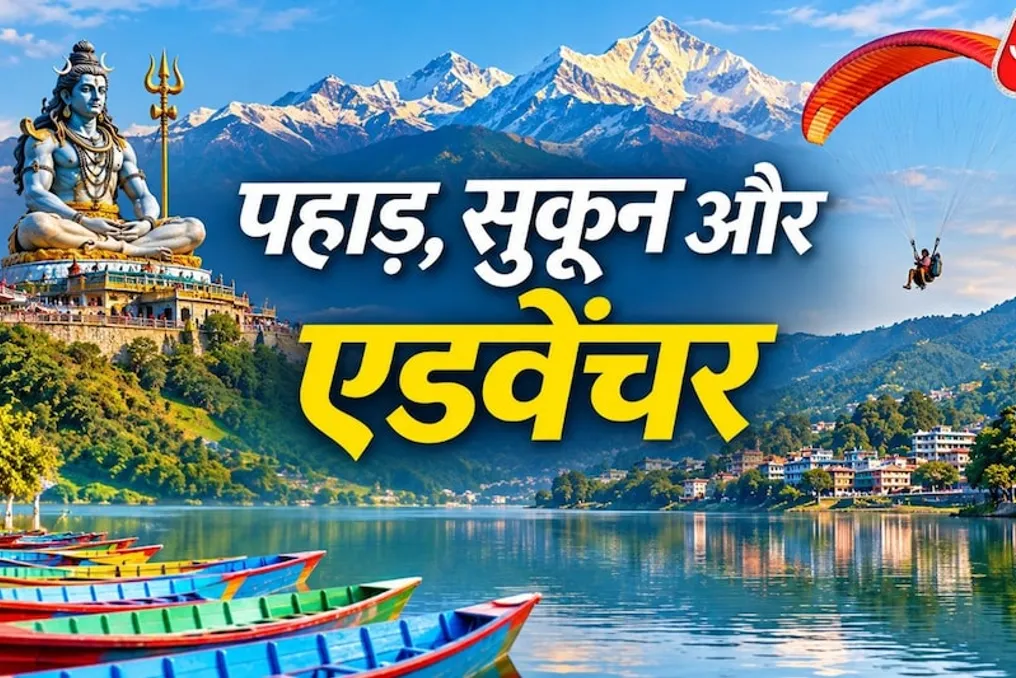
If you are tired of monotonous landscapes, crowds, and mountain views in Shimla or Manali during your vacation, you can consider traveling to a new destination abroad. Pokhara, located in Nepal, is a picturesque place where you can experience a unique combination of mountains, lakes, greenery, and tranquility.

Pokhara offers numerous options for relaxation and active pursuits: from watching majestic snow-capped peaks at sunrise to boating on the lakes and paragliding. Notably, a trip to Pokhara can be a budget-friendly option for tourists from India, allowing them to enjoy nature without large expenses.

Pokhara is a well-known tourist location in Nepal, famous for the stunning views of the Annapurna mountain range. Here, quiet lakes, snow-covered peaks, and green hills harmonize beautifully. The area around the lake is very popular among visitors who enjoy walks, visiting cafes, and leisurely evening strolls along the shore.

Phewa Lake is one of Pokhara's most famous attractions. Beautiful mountain views open up around the lake. Guests can take boat rides and visit the Tal Barahi temple located in the middle of the lake. Morning and evening here are especially picturesque; a walk along the shore or relaxing in a cafe with a view of the lake is a pleasant experience.

For sunrise enthusiasts, Sarangkot is a must-visit. This famous viewpoint in Pokhara allows you to see the first rays of the sun painting the snowy Himalayas golden. Magnificent views of the Annapurna and Machhapuchhre (Fishtail) mountains can be seen from here. Paragliding is also possible here.

On Pokhara Hill stands the white Buddhist stupa, World Peace Pagoda. From this point, an impressive view of the lake, the city, and the surrounding mountains opens up. If you prefer solitude away from the hustle and bustle, this place will appeal to you. Access is possible both by road and on foot across the lake.

Devi's Falls is a popular waterfall in Pokhara. The water crashes into a deep rock niche and then flows into an underground passage. During the rainy season, the water flow increases, making the spectacle even more impressive. This is a good spot to stop for photography and enjoy natural beauty. Near Devi's Falls is the Gupteshwar Mahadev cave, a natural cave with a temple dedicated to Lord Shiva. Inside the cave, you can see natural formations and passages between rocks. Descent down the stairs is required for visiting, so comfortable shoes are recommended.

If you are interested in mountains, mountaineering, and Nepalese culture, you should visit the International Mountain Museum. It features exhibits detailing the history of the Himalayan mountain systems, mountaineers, local communities, wildlife, and the connection between mountains and human history. The museum is interesting for both children and adults.

If you want to spend time in a quieter place than Phewa Lake, you can visit Begnas Lake. It is located a little further from Pokhara, and there are fewer tourists here. On the lake shore, you can admire the views, take boat rides, and enjoy the peaceful atmosphere.

The optimal time to travel to Pokhara is from October to November, when the weather is comfortable and clear skies provide beautiful mountain views. You can also visit the region in March and April when the weather is warm and the blooming flowers add extra beauty to the area. From December to February, it is cold, but the weather is often clear. The period from June to September falls within the monsoon season, which can bring heavy rains and cloudiness, making active recreation difficult.

It is recommended to plan a trip to Pokhara for 3 days to have time to see the lakes, temples, viewpoints, caves, and waterfalls. If you plan trekking or paragliding in the surrounding villages, you should allocate one or two additional days.

To reach Pokhara, you can first go to Kathmandu, the capital of Nepal. Flights from there to Pokhara take about 25–30 minutes. A journey by car or tourist bus takes approximately 6–8 hours. Upon arriving in Pokhara, it is recommended to stay in a hotel near the lake, as most tourist attractions are easily accessible from there.

Popular