SPCA monitors baboon relocation in Cape Town
Read more
Getaway
getaway.co.za

SPCA monitors baboon relocation in Cape Town

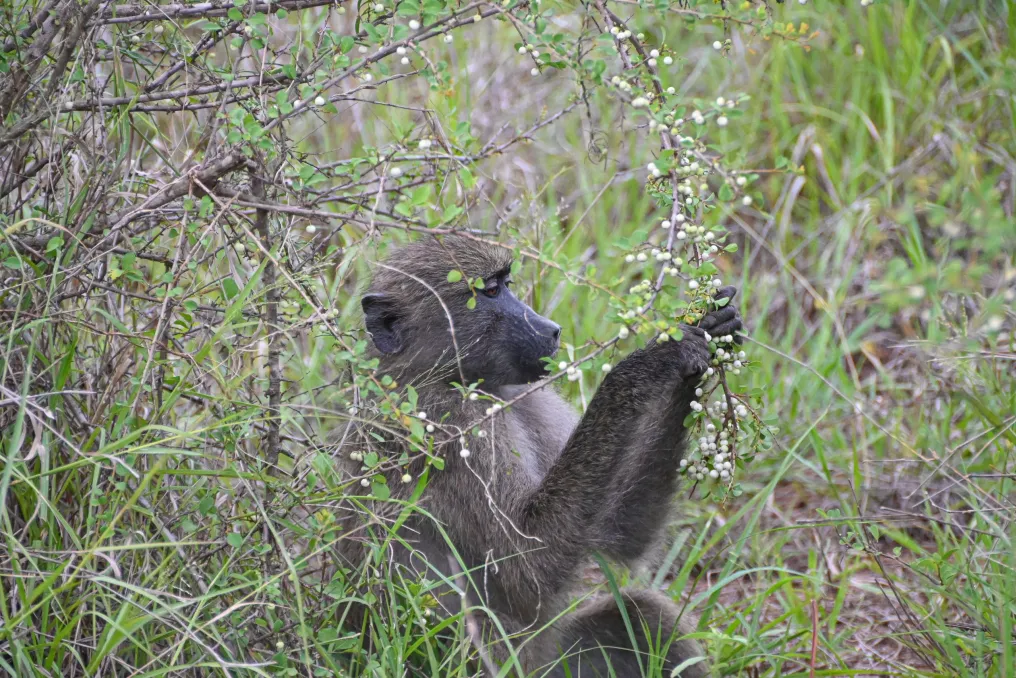
The Cape of Good Hope SPCA is overseeing the process of relocating baboons in Cape Town, as two local groups are planned to be moved into fenced enclosures.

In the Simons Town area, Chacma baboons regularly descend from hills onto residential streets. Due to plans to move two local groups into enclosed facilities, the Cape of Good Hope SPCA is closely monitoring how this will affect the animals' welfare.

The relocation operation began on Friday, November 13, 2026, when the groups were transported to the Urban Wildlife Centre in Khayelitsha.

Previously, on Thursday, November 12, the SPCA reported receiving several calls from citizens reporting baboon captures. An inspector was dispatched for verification, but at the time of the official's arrival, no capture operations were taking place.

Later that evening, the organization announced that permission for the relocation had been granted and requested that an inspector be present during the operation.

The presence of an SPCA inspector does not mean that the organization supports the decision to keep baboons in captivity. According to the SPCA, its duty is to independently monitor the animals' welfare throughout the entire process. This includes supervising their capture, handling, transportation, and placement in the new facility.

The organization emphasized that the decision to relocate the groups remains with the relevant authorities, while its inspectors are present to identify and address any animal welfare issues within their legal authority.

The SPCA also reiterated its stance against keeping healthy baboons, which live freely in nature, in permanent captivity, noting ongoing concerns about the long-term condition of the animals.

The organization acknowledged the dangers baboons face in urban environments, noting that its inspectors and veterinary teams regularly work with animals that have been shot, poisoned, injured, or killed.

It was stated that leaving the two groups in the current circumstances is unacceptable, and it was confirmed that at this stage, the organization does not support euthanasia as a management method for these baboons.

Given the available options, the SPCA believes that the reserve environment offers a way to protect the animals from immediate threats while keeping them alive. However, the organization stressed that moving the baboons to the reserve does not mean an end to its concern for their welfare. The Urban Wildlife Centre will need to provide the animals' physical, behavioral, and social needs in the long term.

At present, the SPCA states that its priority is ensuring humane treatment for all baboons affected by the operation.

Similar stories

Kedarnat residents bury their stalls in the ground during winter, explains a vendor
Read more
www.aajtak.in

Kedarnat residents bury their stalls in the ground during winter, explains a vendor

The temple in Kedarnat remains open for about six months of the year before closing for six months. When the entire area is covered with snow in winter, worship of the god Kedarnat takes place in the lower village of Ukhimath. Typically, the temple doors are opened at the end of April or beginning of May. While the temple is closed, local traders also move down.

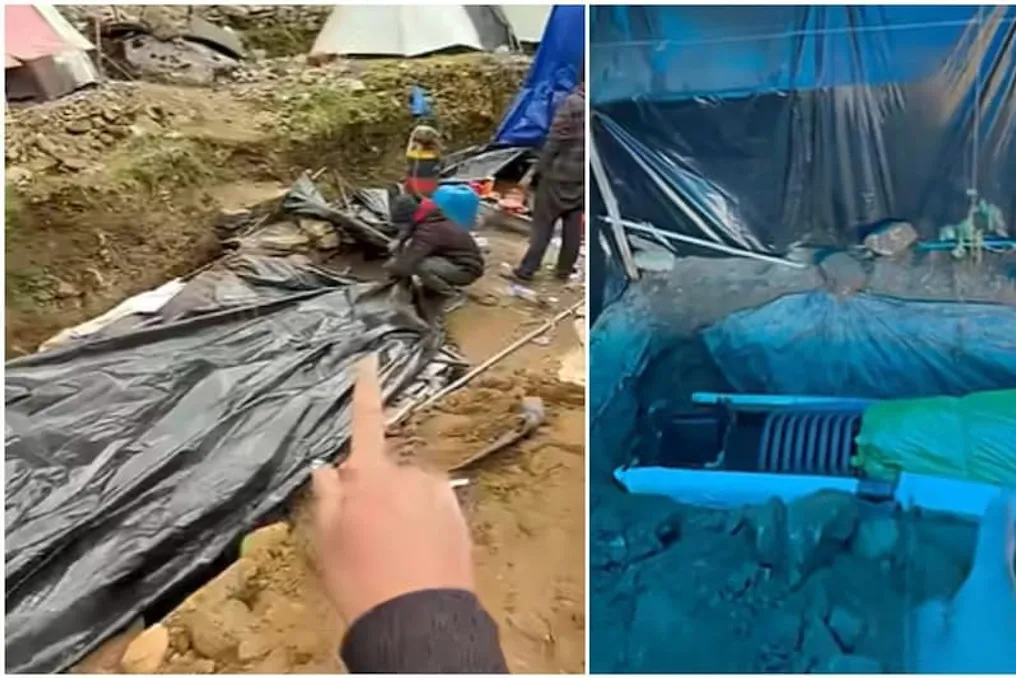
There is a practice where, during the six months when trade is absent, vendors do not take all their goods away but leave some items by burying them in the ground. During this period, traders leave their equipment for setting up tents or stalls right in place.

In a video that went viral on social media, a local vendor explains this practice. He claims that when they move down, they bury some things in the ground so they do not spoil in the snow. A YouTuber named Sachin Negi showed in several of his videos how vendors bury the goods from their stalls in the ground.

The video shows the vendor first digging a large pit, and then unpacking the goods from his stall and placing them in this pit. After that, the items are carefully wrapped in tarpaulin. The goods being buried are not food products; they are items such as chairs, tents, mats, and tables. These items are buried to be retrieved later and restore the stall. The YouTuber states that this method allows the goods to remain completely safe in the ground for half a year. When the temple doors reopen after six months, they take out their belongings and prepare the stall for operation.

The YouTuber demonstrated in his numerous videos the process of vendors unpacking goods and then placing them in the pit. In one video, he showed the view after the stalls had been buried, where it was visible that all the stalls had disappeared, and their contents were hidden in the ground.

Innovator turns rice straw into ceiling tiles to combat air pollution
Read more
thebetterindia.com

Innovator turns rice straw into ceiling tiles to combat air pollution

Every year, tons of rice straw are burned in Punjab, exacerbating air pollution in North India. However, there is a possibility to utilize these agricultural waste products for good.

For eight years, innovator Parminder Singh, based in Gurdaspur, conducted experiments with rice straw in his garage, despite ridicule from those around him regarding his idea.

His persistent work led to the creation of an unusual invention—suspended ceiling tiles made from rice straw. These tiles possess thermal and cold insulation properties, as well as being waterproof and fire-resistant.

Through his startup company Agro Stubble Management, Parminder aims to incentivize farmers to earn money from crop residues instead of burning them. His plan involves establishing production facilities across Punjab where discarded straw can become valuable raw material.

This concept has the potential to transform agricultural waste into a useful resource, create earning opportunities, and offer an alternative method for solving the straw burning problem.

Popular