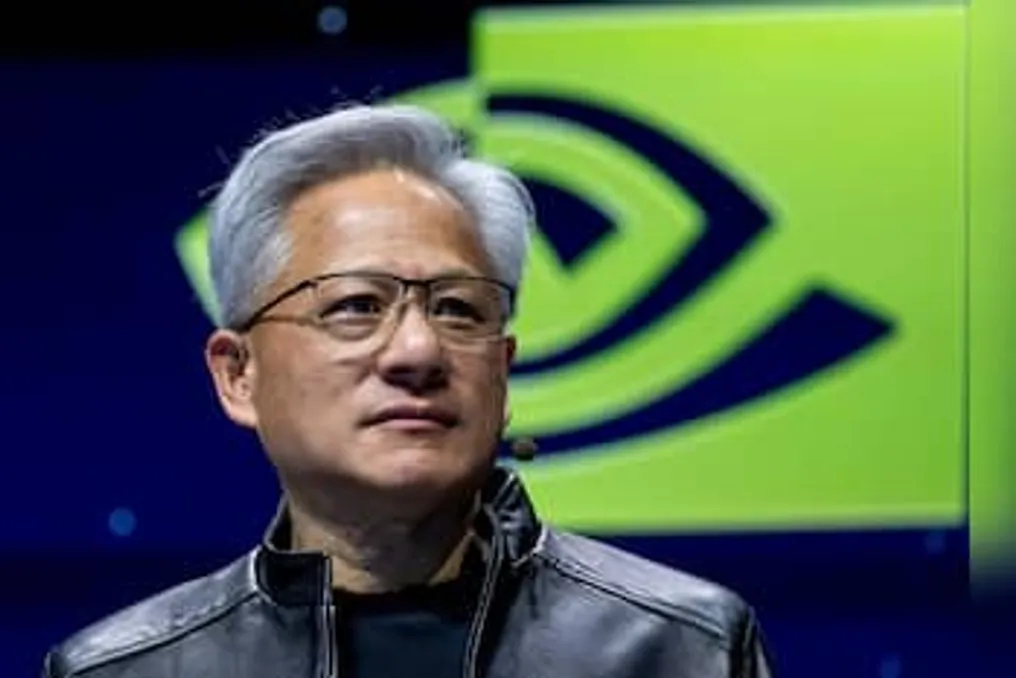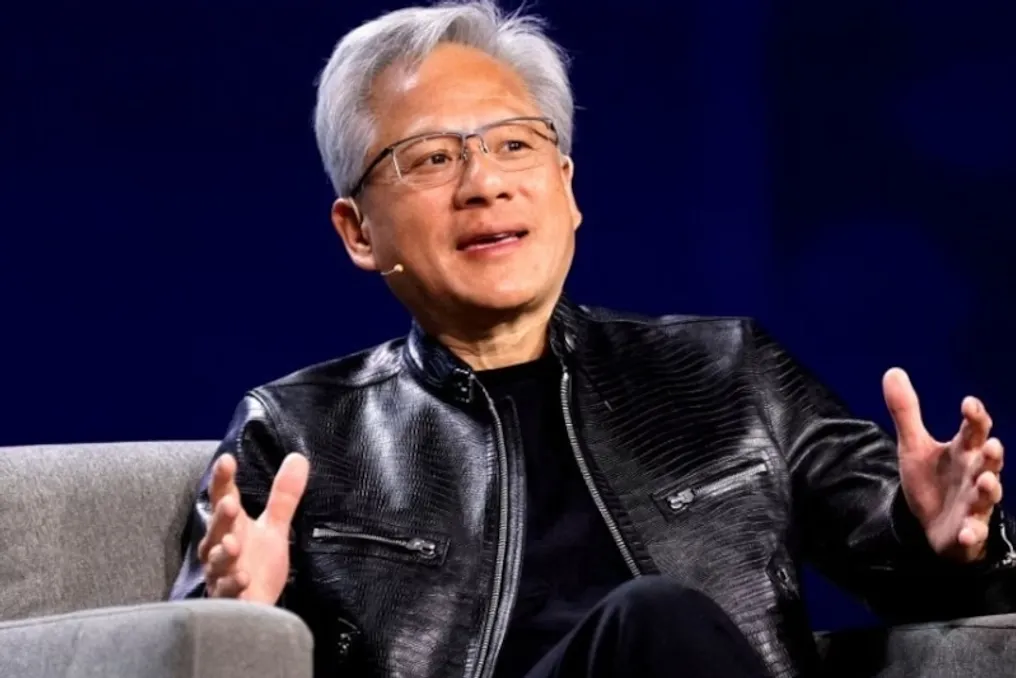
Tensions have increased following the dismissal of Jeffrey Huang from NVIDIA in China, leading to a crisis in several Chinese artificial intelligence projects. It is speculated that Huang's departure could cause delays or complete halts to these projects, as they rely heavily on NVIDIA technologies.
According to the report, Huang's exit and intensified scrutiny may result in China facing either disruptions in AI chip supplies or the need for costly equipment redesigns. This occurred shortly after his name was linked to a Chinese businesswoman alleged to be a Chinese spy, raising suspicions among US officials regarding Beijing's ties to US intelligence services.
Reuters reported that an analysis of over 150 procurement notices, investment plans, construction contracts, and corporate disclosures in China revealed projects and equipment agreements valued at over 23 billion yuan ($3.2 billion USD). These projects are located in both China's wealthy coastal regions and in technology hubs of remote western provinces.
The findings indicated that despite US attempts to restrict China's access to advanced AI chips, demand for NVIDIA hardware in China persists. It is noted that the demand for NVIDIA technologies is sustained by projects involving startups, universities, and regional computing centers supported by local authorities.
This assessment included planned investments, signed contracts, and completed installations, covering not only NVIDIA chip costs but also construction, power supply systems, and other infrastructure.
Developers and institutions continue to implement multi-billion dollar AI data center projects designed around limited NVIDIA H100, H200, and H800 processors. Some facilities are operational or under construction, while others remain in the planning stage. For instance, thousands of NVIDIA chips were expected to be installed in Gansu province in the northwest by the end of the year, although it is unclear whether the processors have arrived.
Huang's departure may reduce NVIDIA's lobbying influence, as US senators push for stricter export controls. Previously, he actively advocated for easing restrictions, stating last year that NVIDIA's market share in China had dropped from 95% to zero.
NVIDIA stated that US export controls have excluded it from the AI data center market in China and removed revenue from Chinese data centers from its forecasts. However, an IDC report suggests that NVIDIA's share in AI accelerator shipments to China will be 34% in the first half of 2026.
Reuters emphasized that the projects identified were unrelated to allegations against MegaSpeed or Huang. MegaSpeed denies illegally shipping NVIDIA chips to China. NVIDIA's board of directors has launched an independent investigation, stating that there is no basis to believe the company compromised its secrets or US national security. No public conclusions regarding Huang violating export control laws have been made.
Washington began restricting advanced NVIDIA processors in 2022, and controls have since become stricter. The US administration also took measures in January to review H200 export licenses for relevant Chinese clients on a case-by-case basis.