SHAU expands micro-library initiative with new project in Jakarta
Read more
ArchDaily Brasil
archdaily.com.br

SHAU expands micro-library initiative with new project in Jakarta

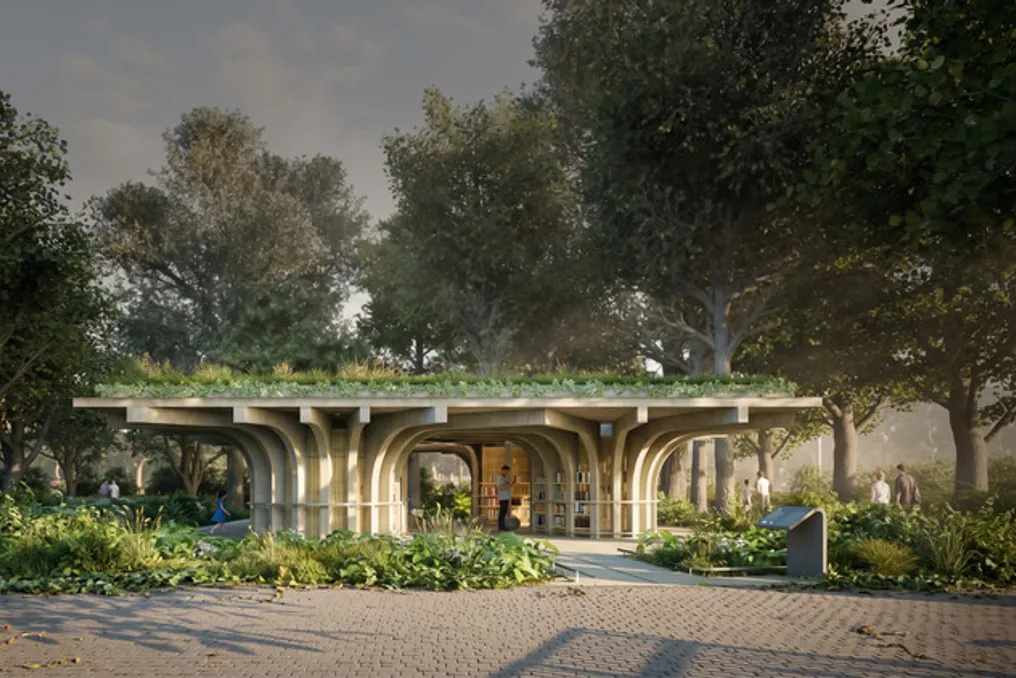
A new micro-library from the Indonesian office of SHAU is under construction in the city of Jakarta. The Taman Puring Microlibrary is part of the micro-library initiative conceived and organized by SHAU Rotterdam-Bandung, involving Florian Heinzelmann and Daliana Suryawinata. This project is carried out in partnership with the Jakarta City Government and the Microlibrary Foundation, a non-profit organization focused on expanding a network of sustainable and multifunctional community reading spaces in low-income areas of Indonesia.

SHAU's first undertaking, named Kampung Mrican Phase 1, was awarded the main prize in the social architecture category of the Ammodo Architecture Award 2025, funding which enabled the development of this second work. Construction of the Taman Puring Microlibrary began on October 24, 2026, with an expected completion date of June 2027, coinciding with the 500th anniversary celebrations of Jakarta.

This project is located in a park in the southern zone of Jakarta, featuring integration with abundant vegetation in its design. The building was conceived using curved concrete spiral structures that support a light green roof, creating shaded and partially open reading environments between circular spaces.

During the development, consultations and workshops were conducted with various communities of people with disabilities, including Yayasan Menembus Batas and Mitra Inspirasi Pendidikan Indonesia (MIPI). The objective of these interactions was to incorporate universal accessibility into the project, ensuring easy access for wheelchair users and adaptations for visually impaired people.

The Kampung Mrican Phase 1 project, recognized by the Ammodo Architecture Award 2025, also involved the participation of the local kampung community during its conception. The comprehensive proposal includes a library, recreational area, public space, flood monitoring point, community garden, bridge, and pavement grid. This initiative was executed in collaboration with the PKP Directorate, affiliated with the Indonesian Ministry of Public Works and Housing. The purpose of the ministerial program is to improve living conditions by enhancing urban infrastructure, encouraging reading in the region, and accommodating community activities simultaneously. Taman Puring joins seven other buildings planned by SHAU to form the micro-library network.

Libraries are crucial to the cultural ecosystem as they foster various artistic expressions and stimulate imagination. For this reason, several architectural projects focused on culture are being developed globally. In Australia, the new Powerhouse Parramatta museum and cultural center, designed by Moreau Kusunoki and Genton, opened on November 7. Furthermore, the Eames Institute of Infinite Curiosity released the master plan for its future archive in Marin County, California, converting a mid-century modernist warehouse into a cultural hub. In another context, the Kengo Kuma & Associates office, in partnership with Cornelius Vöge Atelier for Architecture and Vilhelm Lauritzen Architects, designed the KAI Water Culture House in Copenhagen, scheduled to open on December 5, 2026. This project includes ten indoor and outdoor pools, wellness facilities, cultural spaces, and access to the port of Copenhagen.
Similar stories

Dafineh Museum Group Proposes Creation of International Council of Islamic World Museums
Read more
www.tehrantimes.com

Dafineh Museum Group Proposes Creation of International Council of Islamic World Museums

The Dafineh Museum Group has put forward a proposal to establish an 'International Council of Islamic World Museums' with the aim of strengthening cooperation between museums in Muslim countries. It is expected that the Islamic Cultural and Relations Organization of Iran (ICRO) will consider this initiative.

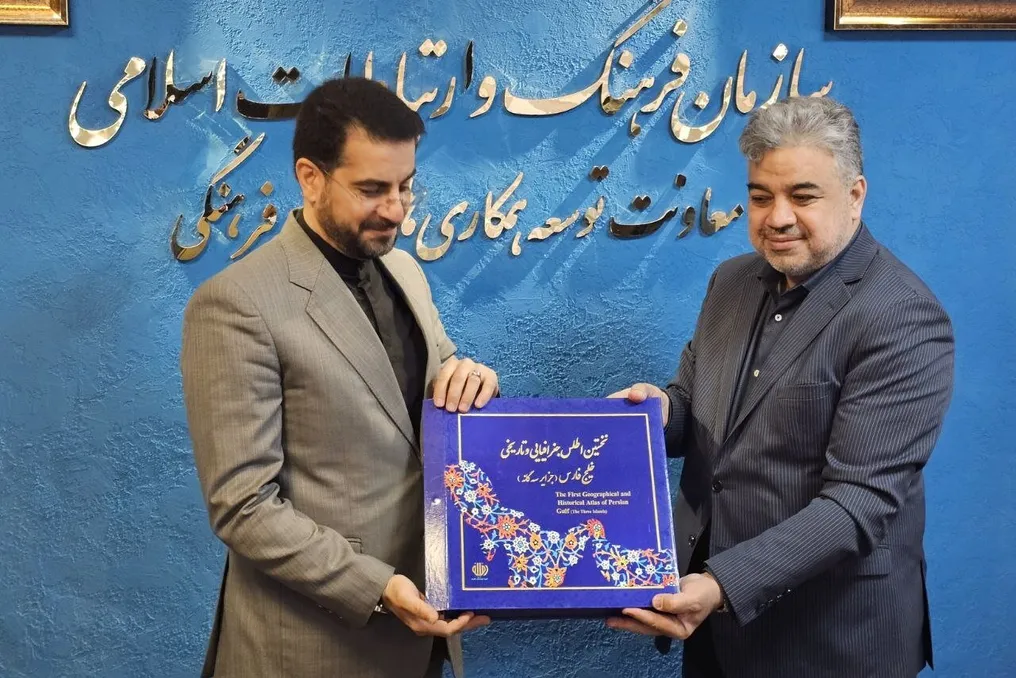
Hamidreza Soleimani, CEO of the Dafineh Museum Group from the Mostazafan Foundation, presented this proposal during a meeting where a memorandum of understanding was signed between the group and ICRO.

According to Soleimani, the proposed council could serve as a platform for closer interaction and coordination of museum activities in Islamic states, especially in developing common standards and protocols for museum operations.

He noted that while the International Council of Museums (ICOM) is involved in establishing professional norms for museums worldwide, there is currently no similar structure specifically dedicated to the cultural and civilizational sphere of the Islamic world.

Soleimani added that creating such a council could serve as a starting point for forming common approaches to museum management and strengthening cultural ties between participating countries.

Furthermore, Soleimani emphasized the significance of the ICRO network, which includes over 60 cultural centers and offices abroad, calling it a valuable resource for expanding international cooperation and promoting Iranian cultural heritage.

He stated that museums are places where manifestations and symbols of civilization and culture converge, highlighting their important role in presenting a country's historical and cultural identity to an international audience.

He also pointed out that Iran's material and intangible heritage is insufficiently recognized internationally, calling for increased efforts to more accurately portray the country's achievements in history and culture abroad.

According to Soleimani, ICRO expects to form a working group to study the proposed council and begin the process of implementing this initiative.

Hossein Divsalar, ICRO's Deputy for Scientific and Cultural Cooperation, reported that the organization's network of over 60 cultural offices abroad can play a significant role in promoting Iran's cultural opportunities on the world stage.

He described cultural advisors as representatives of Iran's interests abroad, whose task is to work jointly with other national institutions to present the country's cultural assets to the international public.

Divsalar noted that interaction between government ministries and cultural institutions can strengthen Iran's public and cultural diplomacy. He also mentioned that ICRO has held 10 specialized meetings on museum diplomacy, and a secretariat for museum-based cultural dialogues has been established at the UNESCO-registered Golestan Palace in Tehran.

Divsalar expressed his organization's readiness to support joint cultural and museum programs, including incoming initiatives such as the Russian Cultural Week in Iran, and overseas events like the Iranian Cultural Week in Turkmenistan.

He concluded that ICRO is ready to cooperate with the Dafineh Museum Group in organizing joint museum events with other countries. The meeting concluded with the signing of a memorandum of understanding between the two institutions.

Laagland Architecten designed expansion for Hagewinde School in Roeselare
Read more
archdaily.com.br

Laagland Architecten designed expansion for Hagewinde School in Roeselare

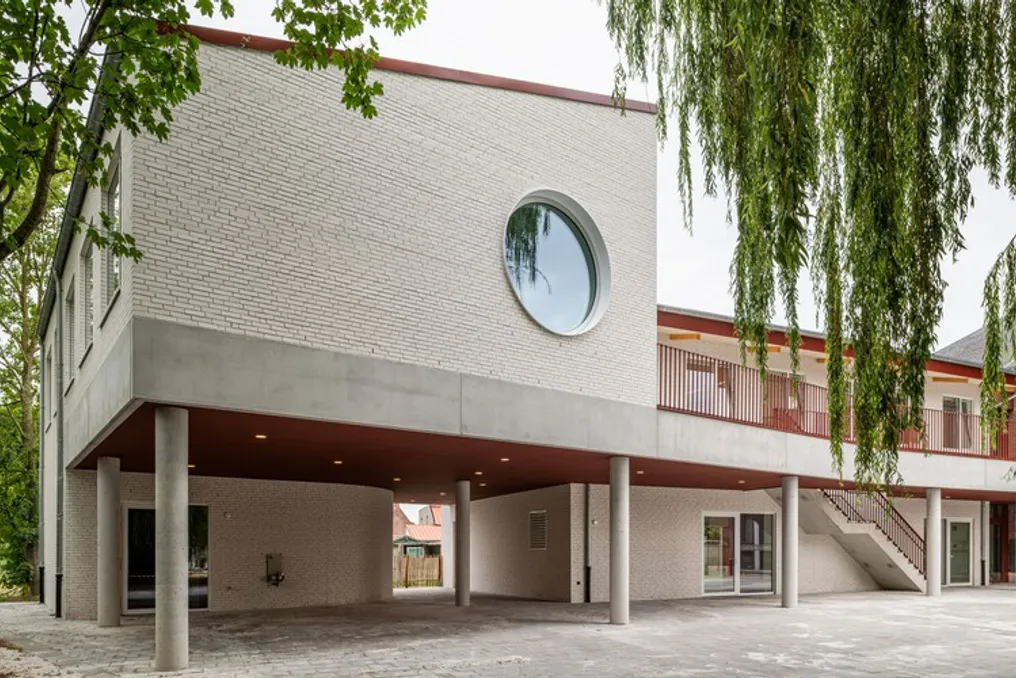
For the Hagewinde School, located in Roeselare, the firm Laagland Architecten developed an expansion project. This expansion includes the addition of new classrooms and a modern multi-purpose cafeteria.

The new architectural elements were conceived with a dynamic visual language. The project combines flat and pitched roofs, aiming to highlight the spatial excellence of the study areas and give a distinctive look to the expanded area.

Project Gallery

Information about the project was provided by the design team and can be viewed in the gallery.

Sharjah Design Centre unveils rammed earth building projects slated for 2029 inauguration
Read more
archdaily.com.br

Sharjah Design Centre unveils rammed earth building projects slated for 2029 inauguration

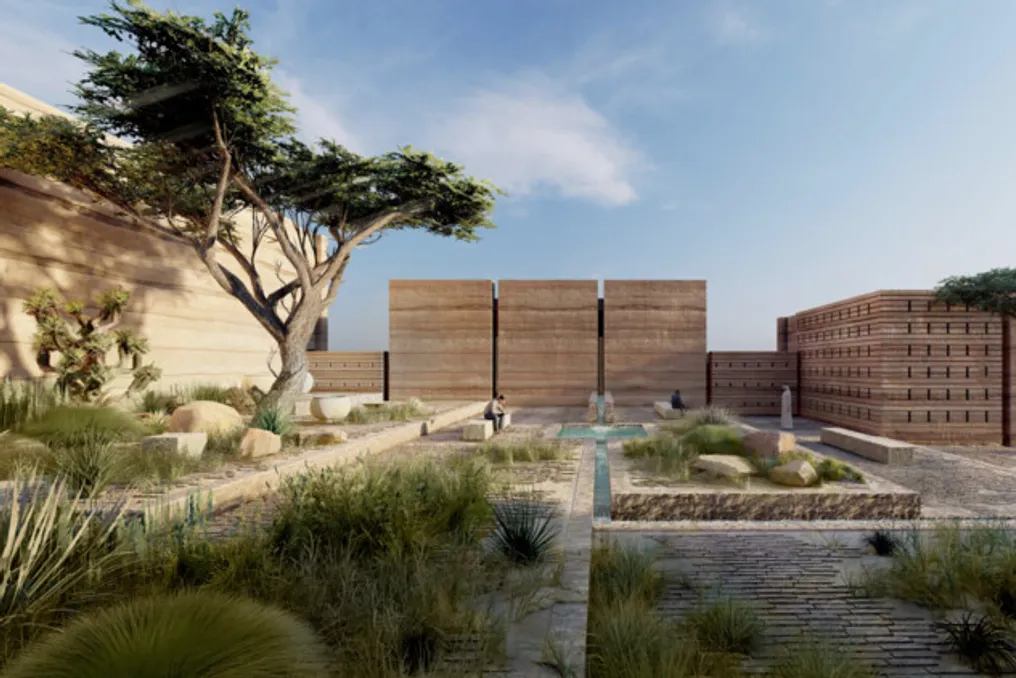
The Sharjah Design Centre (SDC), a new institution focused on design, material research, prototyping, and production, is scheduled to open in 2029. It is part of the Sharjah Creative Quarter, located in the United Arab Emirates. The project was developed by the Taller de Arquitectura – Mauricio Rocha office in partnership with architect Daniel Rosselló, resulting in a customized building that will house specialized laboratories, research facilities, production areas, and public programs.

Under the direction of Her Highness Sheikha Hind bint Majid Al Qasimi, the SDC aims to integrate professionals from various fields—design, manufacturing, research, and entrepreneurship—through a unified structure focused on material experimentation, fabrication, and knowledge exchange.

The architectural concept of the building was designed to dialogue with the local climate and landscape, utilizing regional materials, traditional construction principles, and modern technology. The choice of rammed earth construction integrates a strategy to reduce the project's environmental impact.

As a member of the Sharjah Creative Quarter, the SDC will associate with other important entities, such as the Irthi Museum, the Sharjah Fashion Lab, the Qasimi Archives, the Sheikha Jawaher bint Mohammed Al Qasimi Collection, and L'ÉCOLE, School of Jewelry Arts, which receives support from Van Cleef & Arpels. This complete district is set to open in 2029, consolidating a shared urban space with cultural, educational, and creative institutions.

Located opposite the University City of Sharjah and adjacent to the House of Wisdom, the center will be part of a new cultural hub dedicated to fashion, craftsmanship, design, art, and cultural heritage. The Sharjah Creative Quarter was planned as an interconnected network of institutions that foster creative industries through education, production, research, and public engagement.

In this context, the SDC will concentrate its efforts on linking design research with manufacturing capabilities and professional practice, providing the necessary infrastructure for projects to evolve from the initial experimentation phase to practical material application.

The center's facilities will include seven specialized laboratories, covering textiles, rapid prototyping, glass, ceramics, jewelry, metal, and wood. Additionally, there will be a Materioteca, a Digital Archive, exhibition spaces, coworking areas, private studios, and a point of sale.

The Materioteca will function to catalog material studies, register experimental materials, and assist in education through a collection of design publications. The Digital Archive, connected to the library, will store research, digital publications, and industrial mappings, serving as a consulting resource for both members and the center's research community. The SDC will also promote workshops, courses, masterclasses, residencies, collaborative research projects, and professional development programs, aiming to facilitate collaboration between designers and industry, addressing the link between education and professional practice.

Ongoing research partnerships exist with Atelier LUMA, a program of LUMA Arles, and with the American University of Sharjah (AUS), specifically focusing on the study of local materials and their potential uses. These activities are supported by the AUS Energy, Water, and Sustainable Environment Research Center, BEEAH, and the Sharjah National Oil Corporation.

Through Theatrum Al Kimiya, a continuous research initiative developed with Atelier LUMA, the SDC investigates locally sourced materials and waste derivatives, such as salt, brine, limestone, sand, clay, palm, shells, demolition debris, ceramic waste, wool, and mycelium. This study is based on the publication Architecture of Culture, released in 2023 by the Irthi Contemporary Crafts Council, which translates findings from material research from the artisanal scope to concrete design applications.

In other recent news, it was mentioned that the expansion of the Colburn School campus, designed by Frank Gehry, will open in Los Angeles in September 2027, including a thousand-seat concert hall and expanded dance facilities. Furthermore, the Eames Institute of Infinite Curiosity disclosed a master plan created by Herzog & de Meuron and EHDD to convert a 20th-century warehouse in Marin County into a cultural hub, featuring galleries, archives, and gardens designed by the Field Operations office. In Chicago, the RAMSA office presented plans for a new Welcome Hall at the Kenneth C. Griffin Museum of Science and Industry, which will restore its historic north portico and connect it to exhibition spaces via a glazed structure.

Popular