Licenses of two popular Pune restaurants suspended due to sanitary violations
Read more
Aaj Tak
www.aajtak.in

Licenses of two popular Pune restaurants suspended due to sanitary violations

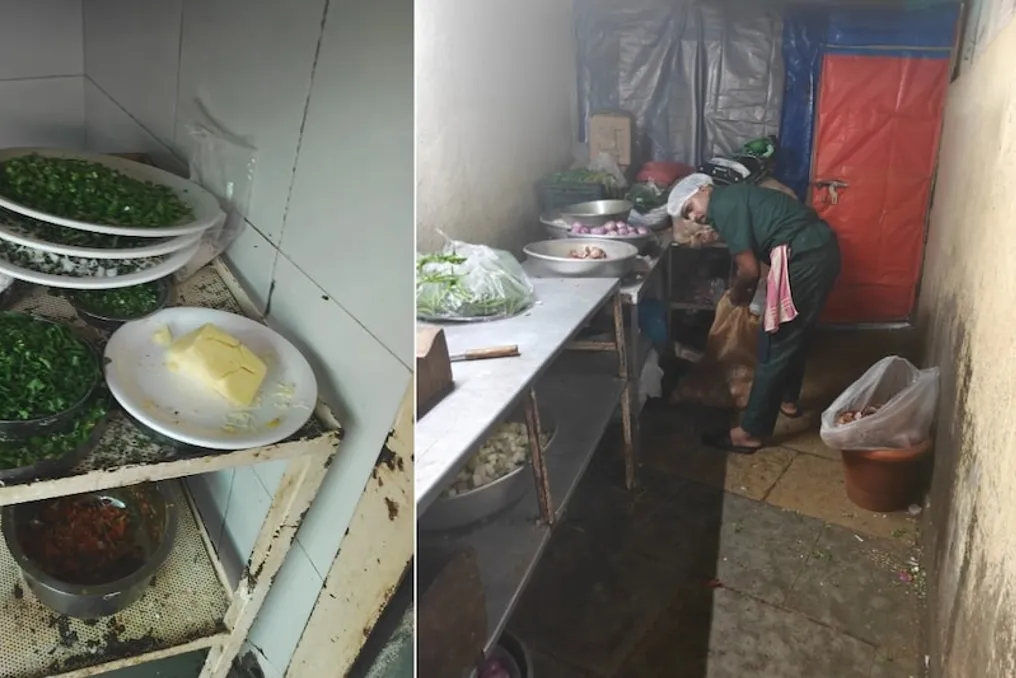
The Food and Drug Administration (FDA) in Pune has suspended the licenses of two well-known local restaurants—Vaishali and Rupali. During inspections conducted by food safety officers, numerous violations of food safety standards were identified.

On Friday, an FDA team inspected the Vaishali restaurant. During the inspection, the restaurant received 58 out of 98 points, which served as the basis for suspending its license. The FDA expressed serious concern regarding deficiencies in the establishment's cleanliness maintenance system.

During the inspection, it was discovered that the pan used for preparing dosa and uttapam was located near the men's restroom. Furthermore, a refrigerator filled with raw food was situated next to the women's restroom, and raw food was stored in an open corridor. These hygiene issues led to the suspension of the restaurant's license.

The FDA also inspected the Rupali restaurant. This inspection revealed shortcomings related to cleanliness. It was noted that the kitchen at Rupali was open, creating a risk of food spoilage. Following the discovery of these sanitation problems, the restaurant's license was suspended.

It is worth noting that both Vaishali and Rupali are very famous establishments in Pune, known for their South Indian dishes such as dosa and filter coffee. However, due to the identified cleanliness deficiencies, the FDA decided to suspend their permits.
Similar stories

AIIMS plans to create a national registry to monitor poisoning cases
Read more
timesofindia.indiatimes.com

AIIMS plans to create a national registry to monitor poisoning cases

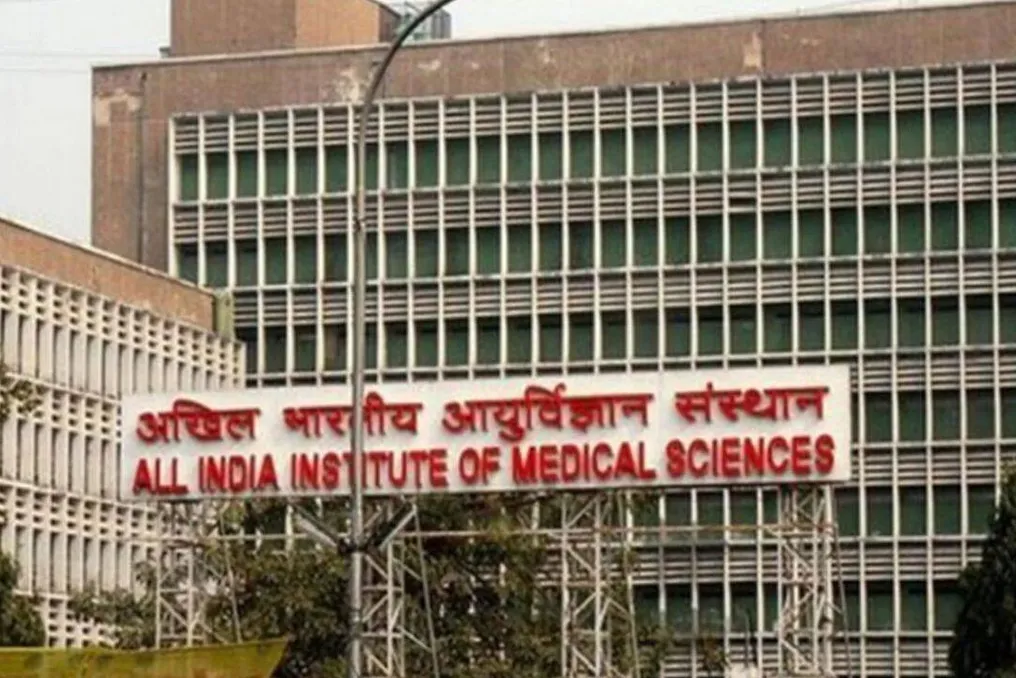
AIIMS in New Delhi is developing a plan to create a national system for tracking poisoning cases across the country. The proposed National Poisoning Registry will collect reports of poisoning incidents and ensure digital connectivity between poisoning control centers for prompt data transmission.

Under this proposal, the National Poisons Information Centre (NPIC) must transform from a 24-hour telephone consultation service into a national toxicology hub network. This network will include satellite units that will be digitally linked to the AIIMS center.

Within the proposed system, poisoning cases registered in participating centers can feed into a centralized database. This will allow for tracking emerging trends and enhancing emergency preparedness. The plan also includes establishing a national antidote bank, an analytical testing laboratory, and developing research programs, development, and real-time reporting software with artificial intelligence-based diagnostics.

NPIC, established at AIIMS in 1995, became the first such center in India. It evolved from a telephone service advising emergency physicians on poisonings to a 24-hour toxicology resource accepting calls nationwide. Between 1995 and 2025, it received over 65,000 calls related to household products, pesticides, drug overdoses, and snake bites.

NPIC data demonstrates a wide range of exposures, including chemicals from agricultural and industrial sectors, medicines, plants, household goods, as well as bites and burns. Among all calls related to bites and burns, snake bites constituted the largest proportion in both the 2010–19 and 2020–25 periods.

The proposed expansion aims to shift from handling individual emergencies to forming a broader national picture of poisoning patterns. AIIMS has suggested linking the hub center with peripheral units, as well as integrating analytical testing and a national antidote bank to strengthen response to poisoning-related emergencies.

Furthermore, the proposal includes programs for increasing awareness about poisons and building capacity for children, teachers, parents, and workers, as well as a National Awareness and Information Program and the designation of a special National Poison Awareness Day. As part of the expansion, AIIMS has proposed renaming NPIC to the National Network Center for Toxicology Sciences and Research (NNCTSR).

Popular