The phrase 'I never get bitten' is a comforting but ineffective plan when traveling. Although malaria is generally rare in South Africa, it poses a real threat in certain regions that many people visit during summer holidays.
Mosquitoes active at dusk
Malaria is transmitted by mosquitoes of the Anopheles genus, which feed primarily from sunset to sunrise. Consequently, the most dangerous bites occur during this time—during evening gatherings, barbecues, or late walks.
Seasonality also plays an important role. The start of summer marks a period of high transmission in South Africa, as increased temperature and rainfall create ideal conditions for mosquito breeding. According to UK travel health recommendations, the transmission season runs from September to May, meaning a November trip falls within this period.
Is your itinerary in a malaria risk zone?
Within South Africa, risk zones are concentrated in the low-lying areas of Limpopo, Mpumalanga, and northern KwaZulu-Natal. These areas include Kruger National Park and surrounding regions. However, places like Durban, the coast south of Tugela, Cape Town, and Johannesburg are not considered malaria zones.
Crossing borders changes the risk profile. The NICD notes that most people diagnosed with malaria in South Africa either contracted it in local risk areas or visited neighboring countries, with the highest risk associated with Mozambique. Furthermore, heavy rains affect the situation: following floods earlier this year, the NICD reported an increased risk of malaria in endemic provinces due to recent heavy rains and flooding.
Even if a person is bitten unnoticed, and just one bite from the wrong mosquito is enough, there is no hidden protection. National treatment guidelines state that all residents of South Africa living in malaria areas, as well as all tourists from South Africa, should consider themselves non-immune. Therefore, the question is not whether you are a magnet for mosquitoes, but whether you have built up sufficient barriers between yourself and the bites you won't feel.
Layer your protection like a good tent
Since no single measure is perfect, multiple protective methods must be employed. The NICD emphasizes that insect repellent and antimalarial tablets significantly reduce the probability of infection, but completely eliminating the risk is impossible. Here is a list of necessary items:
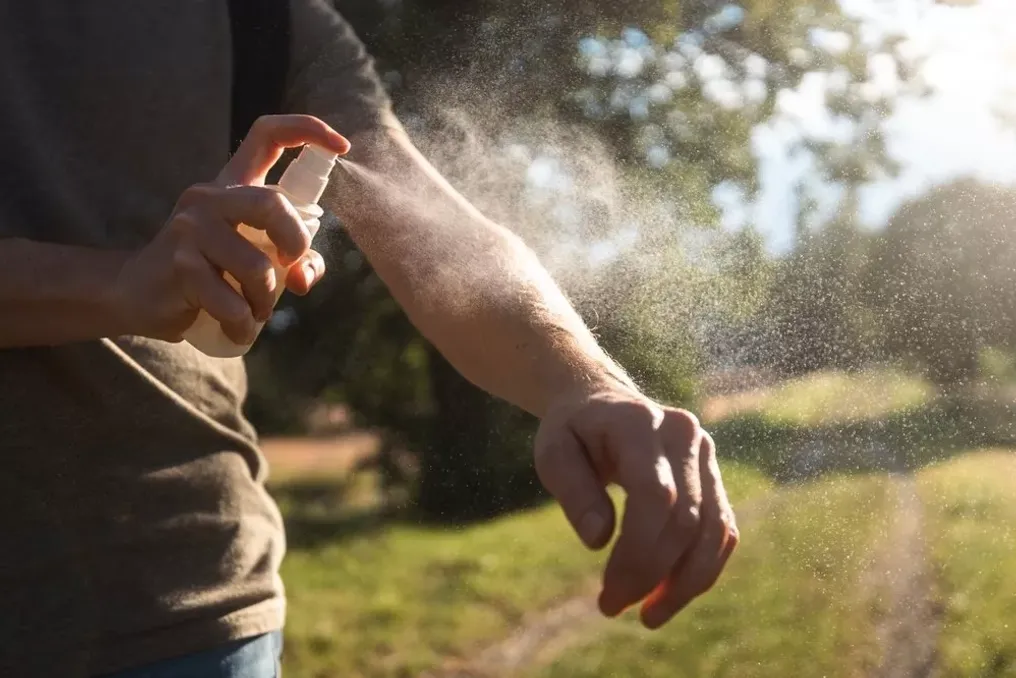
- Repellent for exposed skin. The NICD recommends repellents containing at least 10% DEET. The CDC points to DEET and picaridin. The product must be reapplied after swimming or heavy sweating, and the label must be checked for children.
- Long, light-colored sleeves and trousers, starting from the late afternoon. Special attention should be paid to feet and ankles, as noted by the NICD.
- Permethrin-treated clothing or treated netting. One review states that mosquito nets have reduced malaria incidence in Sub-Saharan Africa by at least 50 percent.
- Bed nets, screens, or air conditioning for sleeping. Windows and tent zippers must be kept closed, and if the chalet has a fan or air conditioner, it should be used.
- Mosquito coils or an insert device for the veranda or tent vestibule.
- Your tablets, if prescribed, in their original packaging indicating the start and end dates of intake.
- A thermometer in the first aid kit, as fever is the first thing to measure.
- A travel diary in your phone's notes: locations, dates, and number of nights stayed.
Discussion on taking pills before departure
The NICD advises travelers heading to high-risk areas to consider prophylactic antimalarial medication. The necessity depends on the destination, travel time, and group composition. Therefore, the decision should be made by a pharmacist or a travel clinic, not based on advice from messaging apps. It is important to start taking them in advance. UK medical services recommend consulting 4–6 weeks before the trip. Some medications require starting several days before entering the risk area and continuing after leaving.
When speaking with a pharmacist, inform them of all medications you are taking, as well as any accompanying individuals who are pregnant, under five years old, or over 70 years old. British travel guidelines note that these groups may be at higher risk of severe complications, so their treatment plan may differ. A dietary plan does not suit everyone, and similarly, a malaria prevention plan is not universal.
Many antimalarial drugs are best taken with food, so it is recommended to create a simple meal plan for the trip and link tablet intake to regular meals. This makes it much harder to forget them if it becomes part of the camp routine.
The week after unpacking
Malaria can lie dormant. The NICD warns that any flu-like illness occurring within three weeks of possible exposure should be reported to a healthcare professional, even if you were in a low-risk area. The CDC advises seeking immediate medical attention if fever or flu-like symptoms appear within a year after returning.
These symptoms may include headache, fever, chills, fatigue, and body aches. These signs can be mistakenly attributed to a common cold or flu, leading to them being ignored. If you feel unwell after traveling to a malaria-risk area, do not wait for it to go away on its own. You should request a malaria blood test and definitely inform the doctor or clinic about the places you visited, as they might forget to ask this question. The NICD stresses that delayed diagnosis often leads to a more severe course of the disease.
Another point noted by the NICD is that mosquitoes can be carried in vehicles returning from malaria areas, so fever cannot be dismissed as merely having returned to the suburbs.
The best road trips end with dusty boots and a full gallery of photos. Make sure the only thing you bring home from Lowveld is stories.