According to the draft state budget of Uzbekistan for 2027, revenues are planned to amount to 416 trillion sums, and expenditures to 464 trillion sums.
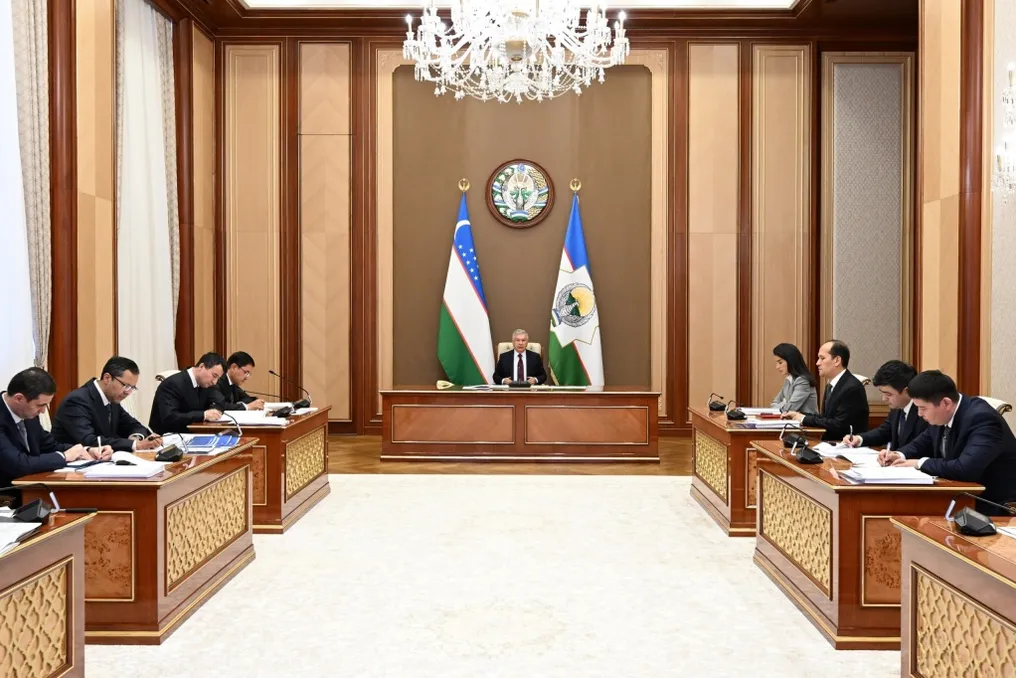
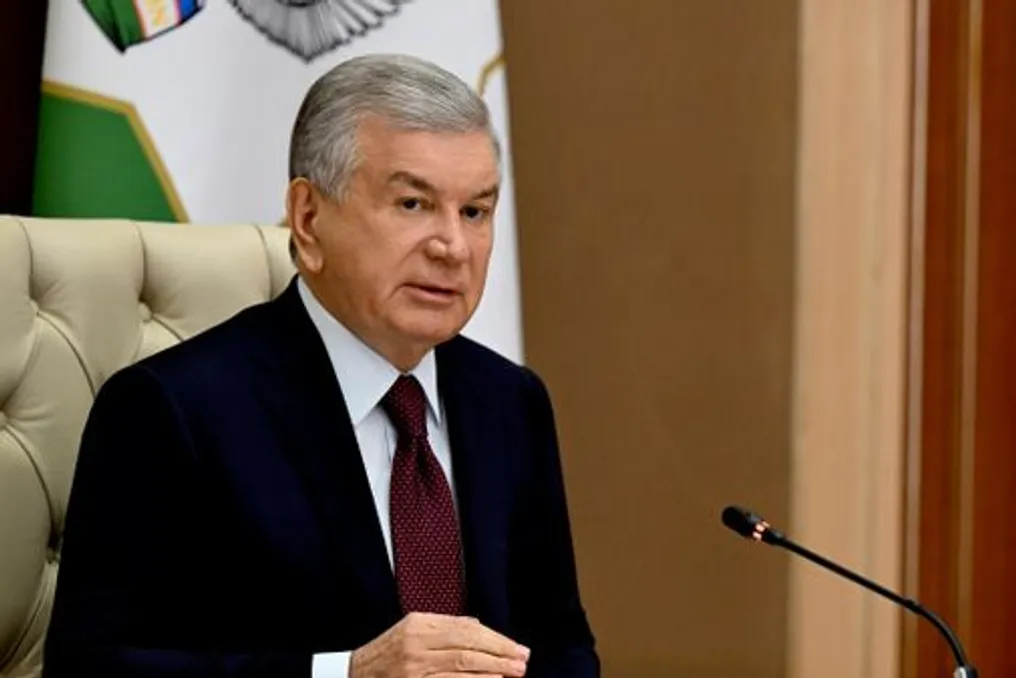
At the meeting dedicated to the key indicators of the State Budget for 2027, major macroeconomic forecasts, and key directions of fiscal and tax policy, President Shavkat Mirziyoyev presented his decisions. According to forecasts, by the end of the current year, the country's economy will grow by at least 8%, and the gross domestic product (GDP) volume will exceed 200 billion dollars, while per capita income will reach $5.2 thousand.
Strategic goals include increasing GDP to $300 billion by 2030 and raising per capita income to $10 thousand over the next decade.
It is planned to allocate about 176 trillion sums to finance reforms in the fields of education and healthcare. 114.3 trillion sums are allocated to education (which is 14 trillion sums more than last year), and 61.4 trillion sums to medicine (an increase of 12 trillion sums compared to last year).
Furthermore, 70 trillion sums are earmarked for improving regional and local infrastructure, increasing employment and household incomes, developing human capital, and strengthening social protection.
It was emphasized that to stably finance social obligations, it is necessary to ensure an annual economic growth rate of at least 7% and utilize existing reserves as well as new technological resources.
The meeting reviewed the main macroeconomic forecasts for 2027. According to calculations, the GDP in 2027 is projected at $232 billion. It is also planned to reduce the inflation rate to 6% in 2027 and to 5% in 2028–2029, while non-gold exports in 2027 should amount to almost $40 billion.
The presentation noted that the budget for 2027 is formed based on a projected economic growth of 7%. Special attention was paid to ensuring macroeconomic stability amid global geopolitical and economic uncertainty. A key task recognized was keeping inflation below 6% next year and maintaining the overall fiscal deficit within 3% of GDP.
It is planned to maintain the main tax rates at the level of 2027. The main sources for increasing budget revenues are stimulating economic activity, expanding the tax base, reducing the share of the shadow economy, and improving the work of tax and customs services.
To increase customs and tax revenues, wide implementation of digitalization and artificial intelligence technologies is planned. Specific tasks were set for creating a favorable and transparent environment for entrepreneurs. Leaders were instructed to develop detailed plans to attract $65 billion in foreign investment in 2027, broken down by region and sector.
In accordance with the legislation, this draft and measures for its implementation will be discussed in local Councils before being submitted to the Legislative Chamber of the Supreme Majlis.