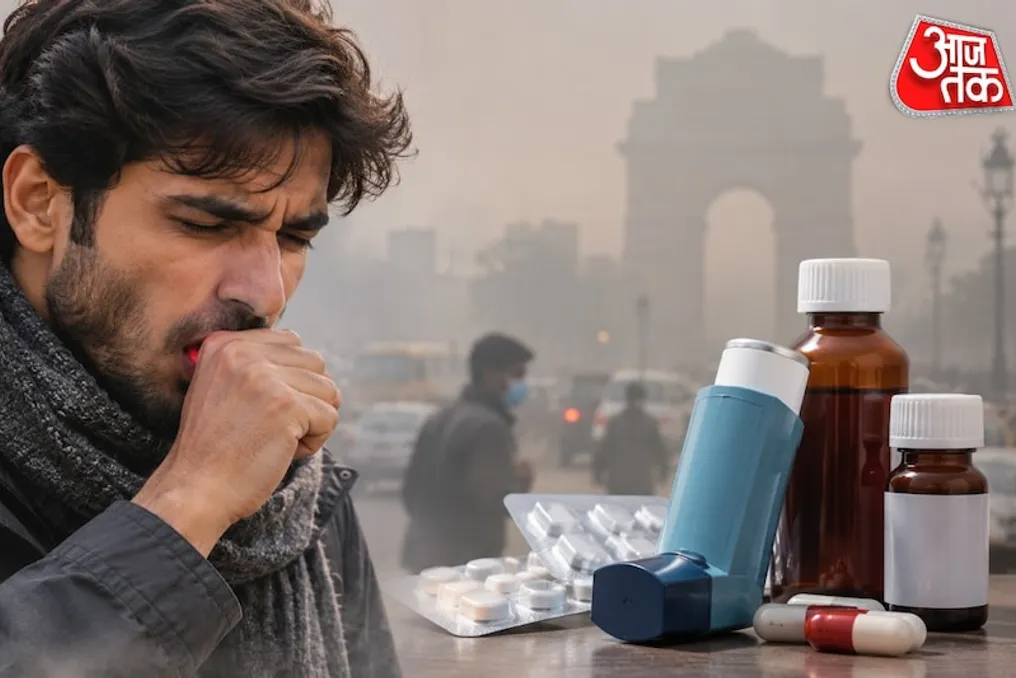
Expert explains whether lungs can be cleansed with drinks or medications
Read more
Aaj Tak
www.aajtak.in

Expert explains whether lungs can be cleansed with drinks or medications

Due to increasing air pollution in many cities, including Delhi-NCR, people are actively seeking ways to protect their lungs. Numerous claims about lung detoxification methods appear on the market and in social media, whether it involves consuming special juices or assertions about clearing lungs after 15 minutes of oxygen intake. However, the question arises whether such methods are truly effective.

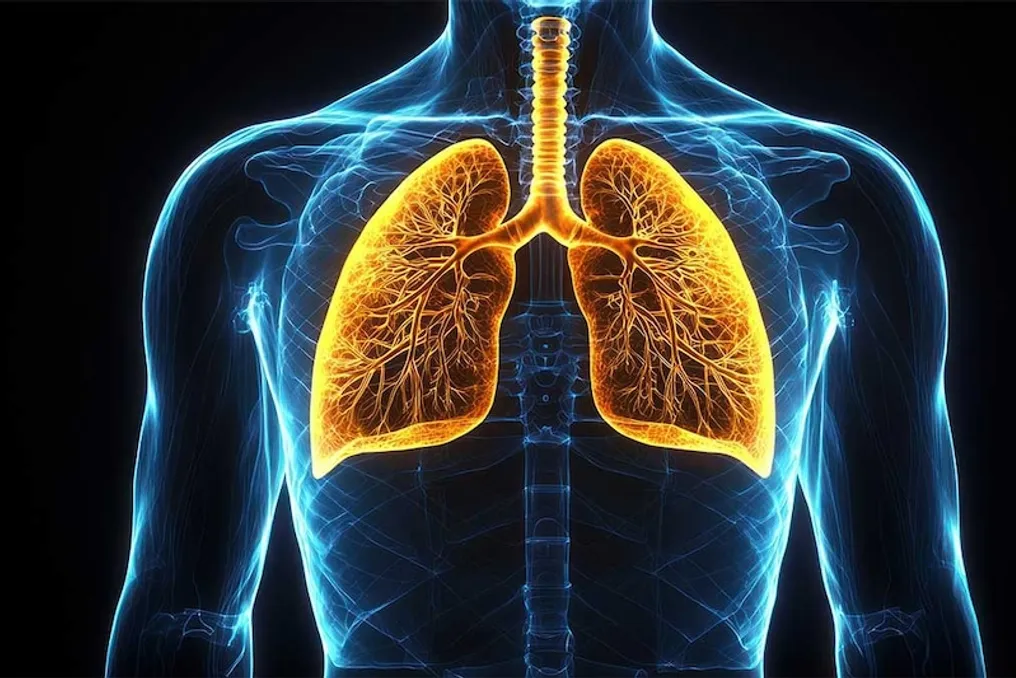
Dr. Arvind Kumar, a renowned lung transplant surgeon, commented on this topic for Aajtak.in. He emphasized that the lungs possess a natural self-cleansing ability. According to medical science, there is no evidence that a specific diet, inhaling certain substances, or short-term oxygen saturation can remove pollutants accumulated in the lungs.

The lungs function through a natural system that maintains their cleanliness. There is a protective mechanism in place to prevent dust and other particles inhaled with the air from entering the nose and respiratory tract. When hazardous particles enter the lungs during breathing, the body expels them through coughing.

There is a common misconception that a few minutes of oxygen therapy can cleanse the lungs. This assertion is false. Oxygen therapy is used for patients whose blood oxygen levels are insufficient. It helps ensure the body receives enough oxygen but does not perform the function of detoxification or removal of pollution particles from the lungs.

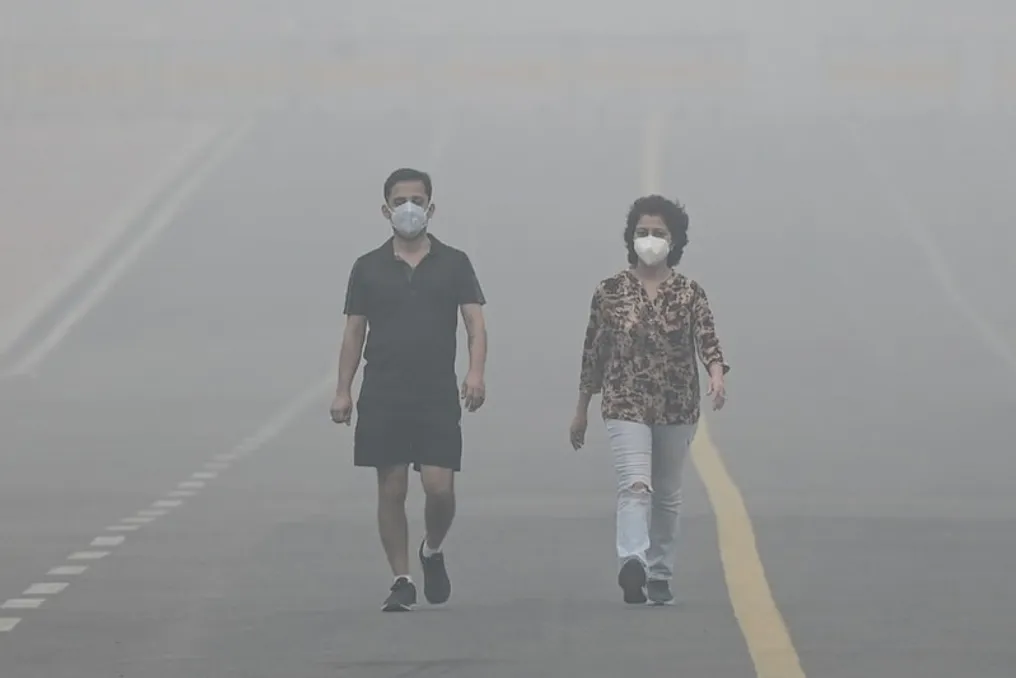
The most effective way to maintain lung health is to minimize contact with pollution. At high AQI levels, it is recommended to avoid being outdoors, and if necessary, use an N95 mask with a good fit. It is also important to maintain low levels of dust and smoke indoors. Furthermore, personal measures must be taken to reduce the overall level of pollution.
Similar stories

Air Pollution's Impact on the Gut: Bloating and Gas Issues
Read more
www.aajtak.in

Air Pollution's Impact on the Gut: Bloating and Gas Issues

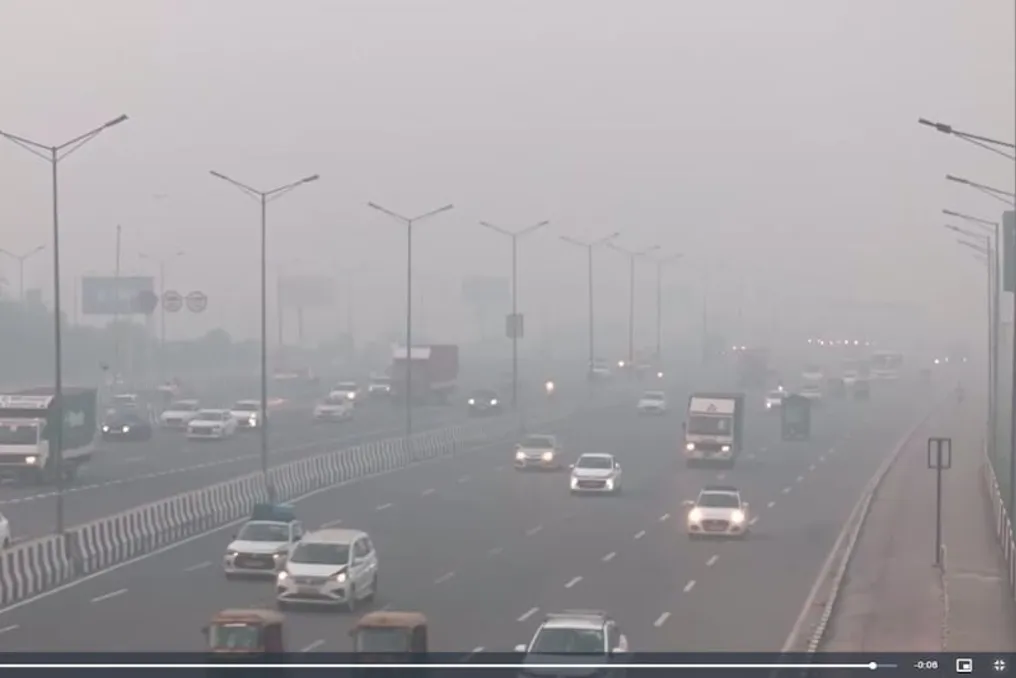
In several areas of Delhi, air pollution levels exceeded 400 units, causing residents to experience symptoms such as difficulty breathing, coughing, and throat irritation. According to doctors, the impact of pollution is not limited to the lungs but may also affect the gut microbiome.

The air contains tiny pollutants, such as PM2.5 and PM10, which enter the body through the respiratory tract. Some of these particles are capable of reaching the digestive system.

Dr. Abhishek Dipak from the Institute of Gastroenterology at Sharda Care Health City explained that contact with pollutants can lead to increased inflammation and oxidative stress in the body. There is concern that this exposure may affect the gut microbiome, which plays a critical role in digestion, nutrient absorption, and immune system maintenance.

When the balance of the gut microbiome is disrupted, some people may experience issues such as bloating, gas production, constipation, and abdominal discomfort, as well as other digestive disorders. However, Dr. Abhishek emphasized that symptoms can vary among individuals, and further research is needed to definitively establish a direct link between pollution and these problems.

Dr. Abhishek also noted the importance of paying attention to one's diet when pollution levels are high. It is recommended to include yogurt, tamarind (chaach), fruits, green vegetables, and fiber-rich foods. It is also advisable to drink enough water and avoid food left exposed to the elements. Furthermore, consumption of processed and heavily fried dishes should be limited.

If stomach problems persist constantly, they should not be ignored as mere gas or indigestion; in such cases, a doctor's consultation should be sought.

Dr. Randip Guleria warns of critical air pollution levels in Delhi threatening health
Read more
www.aajtak.in

Dr. Randip Guleria warns of critical air pollution levels in Delhi threatening health

Following Diwali, the air pollution crisis in Delhi has reached a dangerous point, as pollution levels have risen to their lowest recorded level in recent days. An AQI of 1331 was recorded in Delhi, and the impact of toxic particles in the air has begun to affect people's health. Due to the pollution, the number of patients with respiratory problems may increase in the near future, and there is a risk of death for people with existing serious illnesses.

In an interview with India Today Digital, Dr. Randip Guleria, a senior pulmonologist and former director of AIIMS, described the rising pollution as a medical emergency. Dr. Guleria explained that PM2.5 and other harmful pollutants present in the air enter the body through breathing and harm health. The situation becomes extremely serious when pollution levels are so high that standard air quality sensors cannot properly register them.

The greatest danger threatens those suffering from asthma, COPD, or heart diseases. Such patients may suddenly experience worsening symptoms such as shortness of breath, chest tightness, and coughing. In severe cases, oxygen levels can drop, requiring hospitalization.

Dr. Guleria suggested that due to increased pollution, the number of patients seeking care at clinics and hospital emergency departments could increase by 20–30% in the coming days. He noted that the effect of pollution is not immediate but gradual, and there can be a delay of four to six days between the increase in hospital patients and the actual event. Dr. Guleria reminded that last year, many patients sought hospital treatment for respiratory problems; some required stays in wards and intensive care units, and in severe cases, mechanical ventilation.

Even healthy individuals can face unpleasant consequences from pollution. Living in heavily polluted air can cause a healthy person to experience coughing, throat irritation, chest heaviness, and difficulty breathing. Therefore, everyone needs to pay attention to their health right now.

According to Dr. Guleria, he has received reports from many patients complaining of worsening respiratory problems. Some require nebulizers, while others, upon doctor's recommendation, must take short courses of steroids.

Elderly people, young children, and those suffering from asthma, COPD, and heart disease should exercise extra caution. During heavy pollution, outdoor exposure should be avoided. If going out is necessary, a well-fitting N95 mask should be used. It is essential to take prescribed medications and inhalers regularly.

It is necessary to seek hospital care if you experience the following symptoms: shortness of breath, chest pain, persistent cough, or decreased oxygen levels.

Air pollution levels leading to worsening public health, say AIIMS doctors
Read more
www.aajtak.in

Air pollution levels leading to worsening public health, say AIIMS doctors

The Delhi-NCR region is experiencing a rise in pollution levels, which is negatively affecting people's health. Problems for those suffering from respiratory diseases are worsening. Furthermore, people who previously did not have breathing difficulties are seeking medical attention after the increased pollution began causing symptoms such as coughing, throat irritation, and shortness of breath. Such patients are being admitted for treatment at AIIMS Delhi.

In some cases, doctors have to increase medication dosages for patients. Dr. Saurabh Mittal, Assistant Professor in the Department of Pulmonology, Critical Care, and Sleep Medicine at AIIMS Delhi, reported that the symptoms in patients with respiratory problems are becoming more severe due to rising pollution. An increase in drug dosage is required, up to increasing the dose of inhalers, and some patients are prescribed new medications because standard drugs cease to be effective amid elevated pollution.

According to Dr. Saurabh Mittal, the condition of patients who were already battling respiratory diseases is deteriorating due to pollution. Treatment adjustment is necessary to alleviate cough and breathing issues. In addition to increasing the dose of inhalers, some patients are prescribed oral steroids. This is because the problems of these patients are so serious that they cannot be controlled with standard medications.

It is concerning that people who previously had no breathing problems are now seeking medical help. Among these patients, symptoms include coughing, burning in the throat, nasal irritation, and shortness of breath. These patients also require medications that provide relief and treatment according to their symptoms.

In Dr. Mittal's opinion, there are many reasons for the rise in pollution in Delhi, and it is not a problem arising from a single day or one cause. During the winter period, changes in weather and increased air humidity can contribute to the accumulation of pollutants near the ground. Additionally, emissions from vehicles, dust from construction work, and smoke from stubble burning also contribute to the increase in pollution levels.

Popular