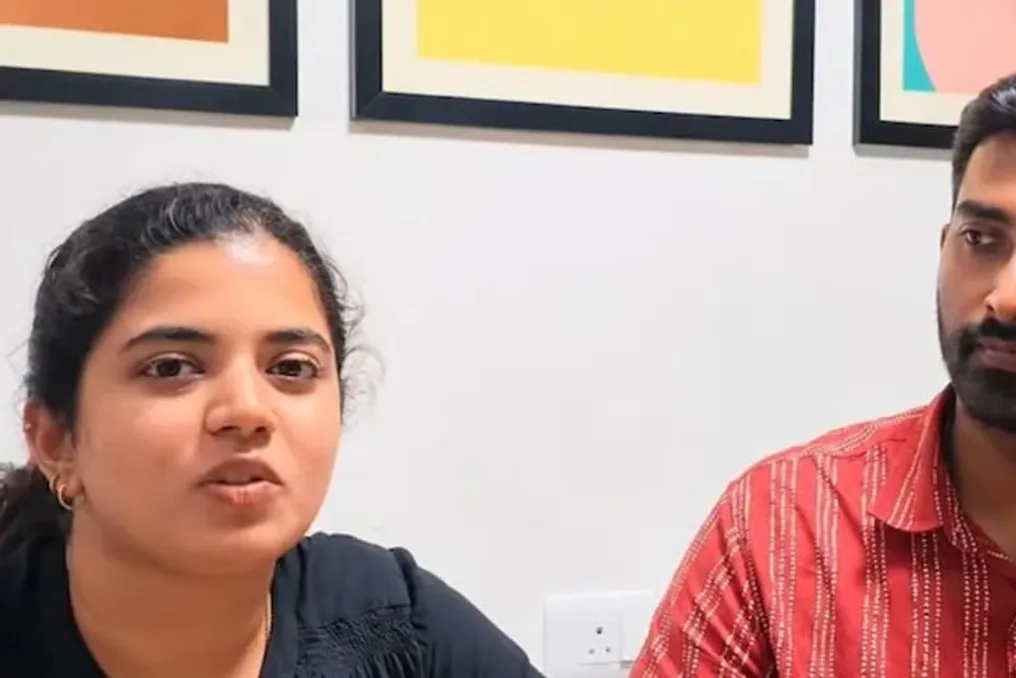
One of the main problems for people who move from one state to another for work is the lack of home-cooked meals. Often, eating out leads to illness, and sometimes people go hungry. The couple residing in Bangalore, Diya Krishnakumar and Aditya Natarajan, faced similar difficulties. However, they decided to turn this problem into a business.
After a long day at the office, it was often difficult for them to cook at home. While ordering food was an easy option, they wanted the food to be healthy, affordable, and reminiscent of home cooking.
Since they could not find a meal subscription service that met their needs, they decided to create their own service. In September 2024, they resigned from the IT sector and launched a healthy food subscription startup in Bangalore called Wellfed.
To launch the business, the couple gathered about 1.5 million rupees from their savings. Between January and September 2026, Wellfed achieved a revenue of approximately 5.6 million rupees. The company served over 1500 customers and delivered more than 55,000 meals.
Diya and Aditya studied computer science in Bangalore and started their careers at the same IT company. After more than three years in the corporate sector, they found it difficult to balance work and managing their diet. Aditya mentioned that due to his work schedule, he often lacked time to cook; some days he relied on takeout, while other days cooking dinner at home became challenging.
Diya also noticed that preparing dishes from online recipes took longer than stated. She reported to the startup Pedia that an online 20-minute recipe took twice as long when she started cooking it in her kitchen.
The couple began looking for meal subscription services that could provide lunch and dinner, but discovered that many services offered large portions and diverse food instead of simple Indian cuisine. They needed regular food such as dal, vegetables, roti, and protein sources. When they couldn't find such a service at an affordable price, they decided to open their own establishment.
It is worth noting that the couple launched Wellfed in September 2024 with an investment of 1.5 million rupees. Their initial team consisted of six people: founders, a nutritionist, a chef, a waiter, and a courier. The nutritionist helped with meal planning and nutritional calculation. Initially, the team sent food to friends and family to get feedback before serving a large number of customers. This response gave them confidence in maintaining their approach to serving familiar Indian food.
Wellfed's menu includes dishes such as dal, potato with cauliflower, sorghum roti, adrak chicken, and chhole chat. Protein sources like cheese, tofu, soy, and chicken are also available. The menu also features rolls, biryani, and Indo-Chinese food, which customers seek as alternatives.
However, the business gained momentum when a nutritionist from Bangalore shared a video about the startup on social media. This helped Wellfed attract its first 100 customers. The founders chose reusable containers with steel lining instead of disposable packaging. These containers were sourced from a manufacturer in Maharashtra.
In the first year of operation, Wellfed earned about 4.5 million rupees. Between January and September 2026, the company generated 5.6 million rupees, exceeding the revenue from the first nine months of its first year. The startup also faced operational difficulties. In early 2026, a shortage of liquefied petroleum gas affected kitchen operations, forcing the founders to make menu changes, which slowed the company's growth during that period.
Currently, Wellfed offers three subscription plans. The trial plan for three days costs 289 rupees per meal. A two-week subscription is 279 rupees per meal, and the monthly plan is 269 rupees per meal. Plans include lunch and dinner, free delivery, and nutritionist consultations. Customers with long-term subscriptions can take leftover food with them.
Currently, the founders aim to expand Wellfed's delivery area across Bangalore and improve the kitchen's production capacity. They also plan to reach customers outside the IT and startup areas of the city.