
Conflict between YouTuber Scout OP and actress Love Gill causes emotional crisis for Scout in 'Bigg Boss 20'
Read more
Aaj Tak
www.aajtak.in

Conflict between YouTuber Scout OP and actress Love Gill causes emotional crisis for Scout in 'Bigg Boss 20'

A tense situation is currently observed in the show 'Bigg Boss 20' related to the development of the relationship between the YouTuber and gamer Scout OP and the actress Love Gill. After an argument with Love Gill's sister, Scout experienced a severe emotional breakdown. He started going bald and was seen crying intensely.

Those who watched the episode of Scout OP were moved by his condition. Previously, he had demonstrated various behaviors in the show—from climbing trees to weeping. His strange actions shocked the viewers.

The cause of the conflict was Scout's remark to Love Gill during a joke, where he said: 'There are no threads in your pants, we have threads with a belt.' Love Gill became angry at this statement and stopped communicating with Scout. Due to her dissatisfaction, Scout looked dejected. Even after Scout tried to calm her down, Love Gill did not yield, and Scout angrily went to the bathroom, where he is going bald. All members of the house were astonished by Scout's condition.

Some residents of the house believe that Scout is going bald because of Love Gill. Kanika Mann also expressed the opinion that Scout began to develop feelings for Love. Kajee and Mahi share this view, believing that Love Gill is the reason for Scout's hair loss.

Scout also experienced a breakdown in the show and cried heavily. Seeing his state, Amrapali Dubey approached Love Gill, stating that she was driving Scout to near madness, and now she herself would drive him completely mad. Later, Amrapali explained to Scout that Love Gill intentionally puts him in a state of guilt. Amrapali advised him: 'It is very easy for you to pull yourself together. You are constantly being made to feel guilty, and when you are upset, she comes and says she is with you. And then you become even more attached to this person.' When Scout asked Amrapali if he looked disgusting, she replied: 'You don't look disgusting, you look silly. How can you keep trapping someone in the same trap again and again?'

Previously, at the beginning of the show, Scout and Love Gill addressed each other as brother and sister. However, gradually Scout began to develop feelings for Love Gill, which they themselves discussed in the show. It is now evident that Scout's feelings for Love Gill are intensifying. He cannot tolerate Love Gill's displeasure, and his condition in the show is worsening. The question remains open as to what advice Salman Khan will give Love Gill and Scout regarding their relationship during 'Weekend Ka Vaar.'
Similar stories

Five Books by Jaun Eliy Reflecting the State of Generation Z
Read more
www.aajtak.in

Five Books by Jaun Eliy Reflecting the State of Generation Z

Although Jaun Eliy's poems often become popular in social media videos, to truly understand Jaun, one must turn to the pages of his books. His poetry resonates with the modern Generation Z, which struggles with anxiety, overthinking tendencies, and relationship difficulties.

Jaun speaks the truth directly, a truth we often hide even from ourselves. His works touch upon themes of love, loneliness, deteriorating relationships, societal hypocrisy, and internal human conflicts. If you want to immerse yourself in Jaun's world, these five books must be on your reading list.

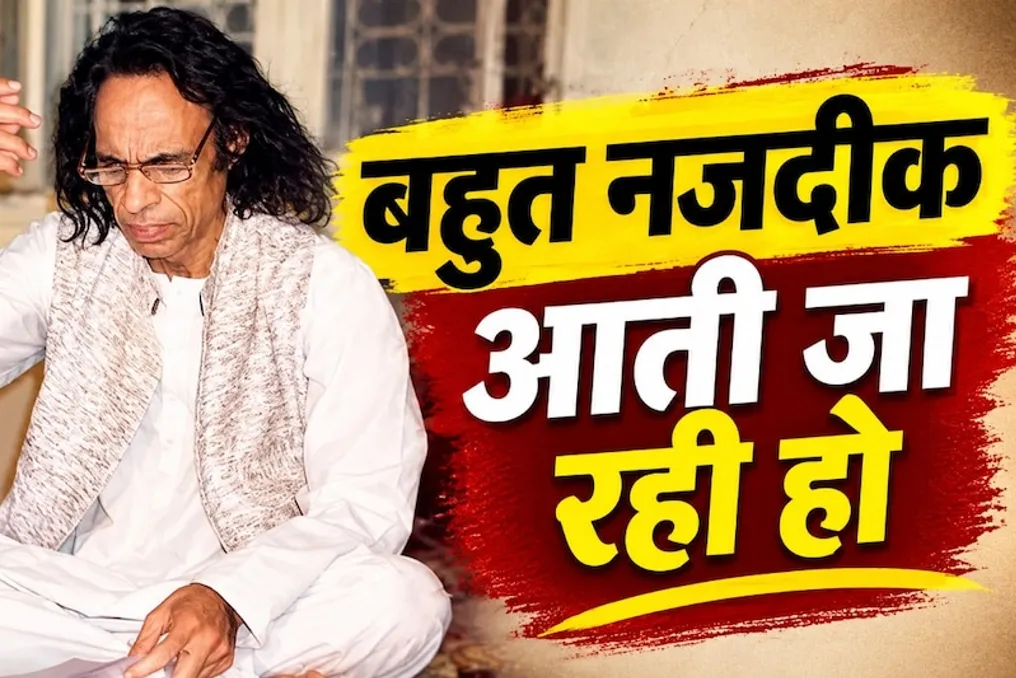
The first book, 'Shayad,' is Jaun Eliy's first poetry collection and was published in 1990. Its distinctive feature is a long and candid preface that allows one to understand Jaun's rebellious nature and philosophy. This book breaks traditional molds of love and presents loneliness from a new perspective. It contains the line: 'Are you getting very close, have you decided to break up?'

The book 'Yaani,' published in 2003 after Jaun's death, is the quintessence of his philosophical and existential views. In it, the meaninglessness of life, the speed of time, and human internal contradictions are described in simple yet profound language. For a generation prone to excessive self-analysis, this book serves as a kind of mirror. It quotes: 'Who will take care of this house, when something breaks every day?'

'Human,' released in 2004, is intended for those who want to feel not only the romance of love but also its bitter truth and pain. It collects Jaun's poems that describe the silence after a broken heart and self-blame. One line states: 'The cure is that they forced me, otherwise I listened to no one.'

In the book 'Lekin,' published in 2006, a different image of Jaun Eliy is revealed. In it, he directly criticizes the rules, hypocrisy, and false relationships created by society. This book is essential for young people who dare to think differently from the crowd and question the existing system. It contains the line: 'What evil is it that now your face comes to mind when I look.'

The last book, 'Goya,' released in 2008, demonstrates the most mature and sensitive period of Jaun's poetry. It reflects the fragility of relationships, the burden of memories, and a strange indifference to life. This collection simultaneously brings comfort and deeply shakes. It contains the phrase: 'Now I remember everything, I forgot someone.'

These five books by Jaun Eliy are not just collections of poems; they explore the truth hidden inside human beings that we often try to ignore. These books, easily accessible in Devanagari, offer an opportunity to pause and talk to oneself in this hectic life. If you have only read Jaun online, these books will allow you to connect with his true essence.

Popular