Student march in Chile against fuel price hikes ends in clashes with police
Read more
Noticias ao Minuto
noticiasaominuto.com

Student march in Chile against fuel price hikes ends in clashes with police

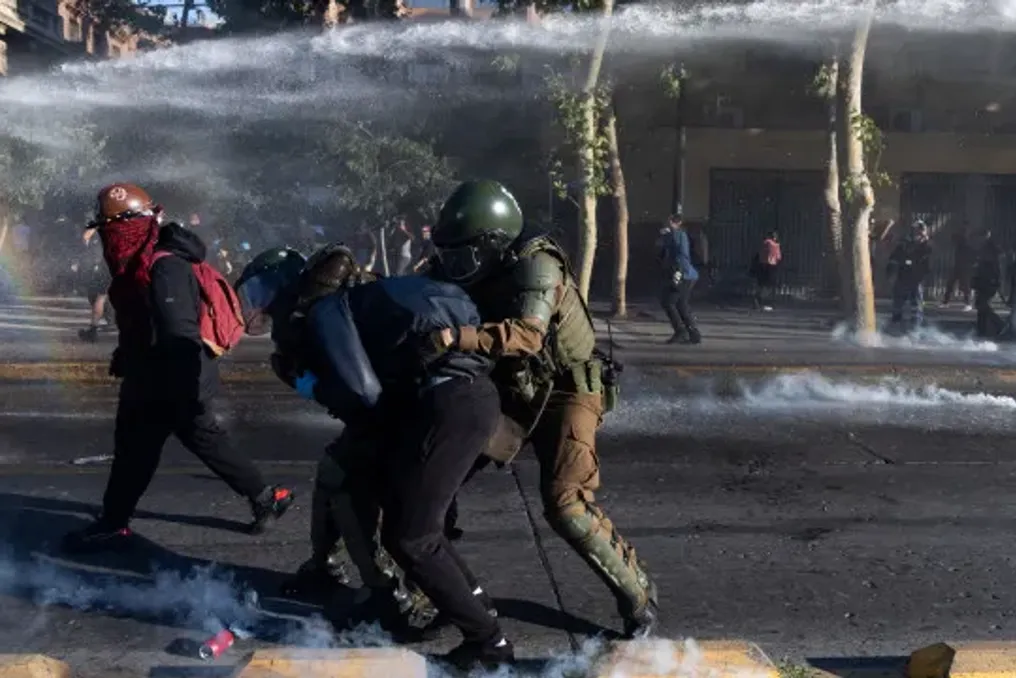
A student march, which gathered about a thousand protesters in Chile, protested against rising fuel prices and ended in incidents in downtown Santiago, requiring police intervention.

The protest, held on Friday and led by the Coordination Council of secondary school students, initially began peacefully. However, later clashes broke out between hooded individuals and security forces. Some demonstrators used firecrackers and smoke grenades, to which the police responded with tear gas canisters and water cannon trucks.

The march, which was dispersed due to the unrest, was organized during a period when the truckers' strike, which began on Tuesday also over fuel prices, had not yet ended. According to local media, this demonstration lacked permission from the Metropolitan President's Delegation, leading the police to mobilize personnel and take measures to disperse the procession.

On Wednesday, the Chilean government announced a three-month freeze on fuel prices. This measure was aimed at resolving the transport workers' strike, which had partially blocked major roads across the country.

On Thursday, after intensive negotiations, the government reached an agreement with some organizations participating in the strike, which had been declared indefinite. Two major sector organizations, the National Confederation of Truck Owners and the National Confederation of Freight Transport, withdrew from the protest, although they stated solidarity with the demands of the other groups.

Some groups of truckers, dissatisfied with the decisions proposed by President José Antonio Kast's administration, continued to block roads nationwide until noon on Friday (15:00 Lisbon time). Nevertheless, the blockades were gradually lifted after the executive branch warned of the use of force to clear the roads.

The agreement includes freezing fuel price increases until March, canceling the latest increase that took effect on Thursday, and an additional reduction of 100 pesos (nine cents euros) per liter of diesel fuel.

Chile, one of the longest countries in the world, does not have a railway system, and almost all freight transport is done by road. Therefore, road blockades lead to significant disruptions in supply chains. The last major truckers' strike occurred in February 2022 but lasted only a few days.

The fuel crisis began in March when President José Antonio Kast decided not to use the state mechanism designed to neutralize the impact of international oil price volatility, thereby passing on all the increases caused by the Middle East war to consumers. Since the start of this campaign, the international price of diesel fuel has risen by 80%, and gasoline by 40%.

This episode triggered a chain reaction in many economic sectors and led to a decline in the popularity of the ultra-right leader who came to power promising to boost the economy. Rising fuel prices are increasing inflation to its highest level in 18 months. The consumer price index rose by 0.5% in October, accumulating an annual change of 4.5%.
Similar stories

Chilean government freezes fuel prices for three months due to truck drivers' strike
Read more
noticiasaominuto.com

Chilean government freezes fuel prices for three months due to truck drivers' strike

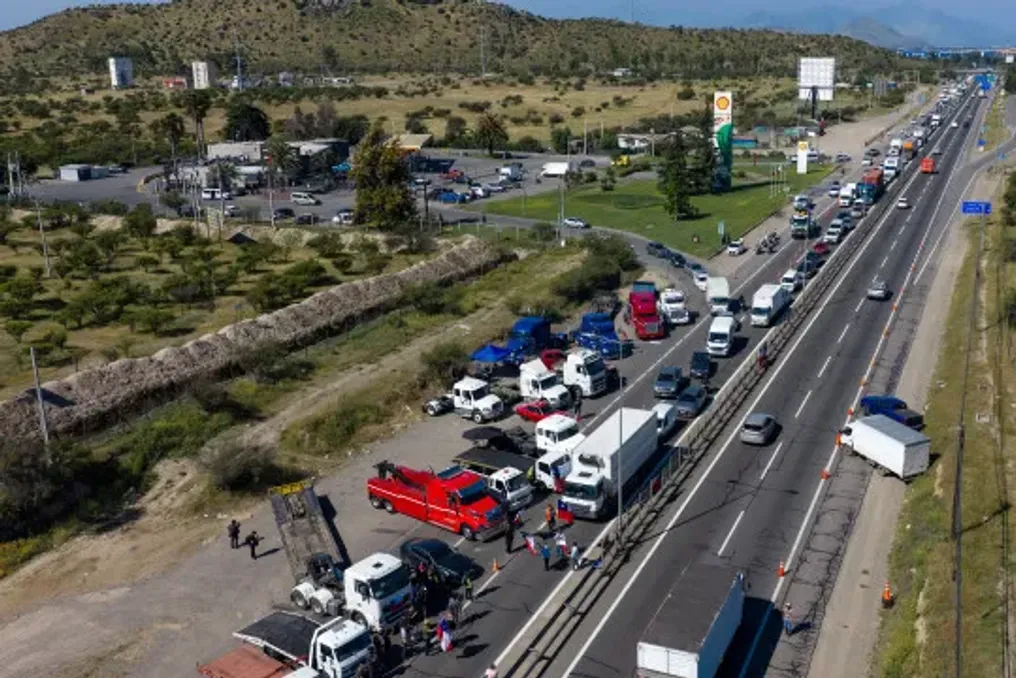
The Chilean Government implemented a freeze on fuel prices for a period of three months in response to the transport workers' stoppage, which resulted in the partial blockade of the country's main roads.

On Wednesday, the Minister of the Interior, Claudio Alvarado, informed the press at the La Moneda Palace that the decision was made to suspend the increase in fuel costs until the first days of February.

Several small and medium-sized truck driver associations began an indefinite strike on Tuesday, covering almost all regions of Chile. This protest was motivated by the continuous increase in fuel prices, which has caused considerable losses to the transport sector.

During the day, Minister Alvarado held several meetings with representatives of the transporters and announced that the adjustment in fuel prices will be reversed through a bill that will be urgently discussed in parliament next week.

The two largest entities in the sector, the National Confederation of Truck Owners and the National Confederation of Freight Transport, chose to distance themselves from the protest, although they expressed solidarity with the demands of the other groups.

Alvarado clarified that the new measures were proposed during the last round of negotiations with the leaders of the associations involved in the strike. He added that it is now up to these groups to present proposals for a vote among their bases, determining whether they will end the movement.

The minister declared that starting the following Thursday, there would be no justification to continue obstructing the free flow on highways and cities across the country.

Considering that Chile, one of the world's largest countries, lacks a railway system and relies mainly on road transport for cargo, the road blockades cause serious disruptions to supply chains.

The last major truck driver strike occurred in February 2022 but lasted only a few days.

The fuel crisis began in March when President José Antonio Kast opted not to use a state mechanism designed to mitigate the impact of international oil price fluctuations, thereby transferring the entire increase caused by the Middle East war to consumers.

Since the start of this offensive, the international price of diesel has increased by 80%, while gasoline has risen by 40%. This event triggered a domino effect in various economic segments and contributed to a drop in the popularity of the far-right head of state, who had taken office promising to revitalize the economy.

The increase in fuel costs has driven inflation to its highest level in 18 months; the consumer price index registered a growth of 0.5% in October, totaling an annual variation of 4.5%.

Popular