The Endless Frontier releases Fx-Bio-1031 model based on Qwen for bioinformatics analysis
Read more
Pandaily
pandaily.com

The Endless Frontier releases Fx-Bio-1031 model based on Qwen for bioinformatics analysis

The Endless Frontier has published the full weights of the Fx-Bio-1031 model on the Hugging Face platform. This agentic large language model is designed for bioinformatics and computational biology tasks.

The model was created by fine-tuning Alibaba's Qwen3.8-Flash-Next. Fx-Bio-1031 is capable of independently planning and executing multi-stage analyses, including writing scripts, installing software, querying databases such as NCBI and Ensembl, and verifying its own results. This was reported by QbitAI on November 13th.

According to the model card, Fx-Bio-1031 has a total of 180 billion language parameters. This volume includes a Mixture-of-Experts foundation with 125 billion parameters, where 6 billion parameters are activated per token, as well as an n-gram embedding module with 51 billion parameters and a multi-token prediction module with 4 billion parameters. The released configuration supports a context window of 524,288 tokens. Weights, amounting to about 360 GB in BF16 format, are available under the Qwen Community License 1.0, and the company specifies the terms of this license for commercial users.

The company presented the results of its own evaluation of the agentic system applied to all comparable models. On the BioMysteryBench subset from Anthropic, consisting of verifiable tasks that domain experts could not solve independently, Fx-Bio-1031 achieved a 70.59% Pass@5 score. This was higher than Opus-5 (52.94%) and GPT-6-Astra (47.06%). On the expert-solvable subset, the model reached 93.15%, slightly trailing Opus-5 with a score of 94.52%. In the BiomniBench test, it showed 89.50% Pass@3, surpassing Opus-5 (87.42%). On BixBench3 from FutureHouse, Fx-Bio-1031 scored 45.76 points, lower than GPT-6-Astra (48.70), but higher than Opus-5 (40.60). The company emphasizes that no public benchmark was used during the training or data synthesis process.

As an example, the company provided a task related to breast cancer cohorts: the model processed 1,918 initial records, reducing them to 762 unique patients, and found that ESR1 mutations and RAS/MAPK pathway alterations are generally mutually exclusive. Subsequently, it conducted 14 sensitivity analyses using negative controls to determine under which conditions this conclusion remains valid and when it is violated.

The Endless Frontier asserts that the model was trained using the so-called RSI-OS—a recursive self-improvement pipeline that covers evaluation, training data, and tool environments. The model developed an internal test set of 114 complex tasks in collaboration with the BioMaster team from DP Technology. Among the company's incubators are Jiaotong University of Shanghai and DP Technology. Previously, the company released the general-purpose model BigBang-V1 in August. The target audience includes hospitals, research groups, and drug developers who wish to conduct analyses on local equipment without transferring data outside the premises.

Similar stories

Science as the basis for cooperation: examples of overcoming disagreements through scientific research
Read more
cgtn.com

Science as the basis for cooperation: examples of overcoming disagreements through scientific research

The question arises whether science can create a common ground where political processes face difficulties. The theme of World Science Day for Peace and Development in 2026, celebrated on November 10th under the slogan 'Common Ground through Scientific Diplomacy,' offers a timely answer. Two recent projects—one regional and one bilateral—demonstrate what this common ground looks like in practice.

The Synchrotron for Experimental Science and Applications in the Middle East (SESAME) operates in Jordan and has been the sole source of synchrotron light in the region since 2017. Its participants include countries such as Cyprus, Egypt, Iran, Israel, Jordan, Pakistan, Palestine, and Turkey, which are often divided by conflicts, yet jointly fund and utilize this facility.

In November 2025, the UK's national synchrotron, Diamond Light Source, hosted the SESAME delegation and confirmed a significant technical contribution: equipment that will allow SESAME to build a new experimental line. Speaking at the event, Professor Dame Angela McLean, Chief Scientific Adviser to the UK government, noted that international cooperation in scientific facilities like SESAME 'benefits all members,' and they serve as centers for training, technology development, and scientific diplomacy, providing access to opportunities that 'no single country could achieve alone.'

The second example comes from Beijing. On October 29, the Chinese Academy of Sciences (CAS) and the Leopoldina, the German National Academy of Sciences, signed the 'SfF2026 Declaration on Climate, Health, and Biodiversity' during the third Science for Future conference. This declaration obligates both academies to conduct joint research on health risks associated with climate change and to ensure 'fair data exchange and responsible use of modern technologies.'

Neither of these projects will lead to the disappearance of geopolitical tension. However, together they show what scientific diplomacy offers: shared infrastructure, shared data, and a common interest in problems that no single country can solve alone. The 2026 theme is not merely declarative rhetoric; it describes work that is already underway.

Study shows how microbiota helps manatee extract energy from a purely plant-based diet
Read more
super.abril.com.br

Study shows how microbiota helps manatee extract energy from a purely plant-based diet

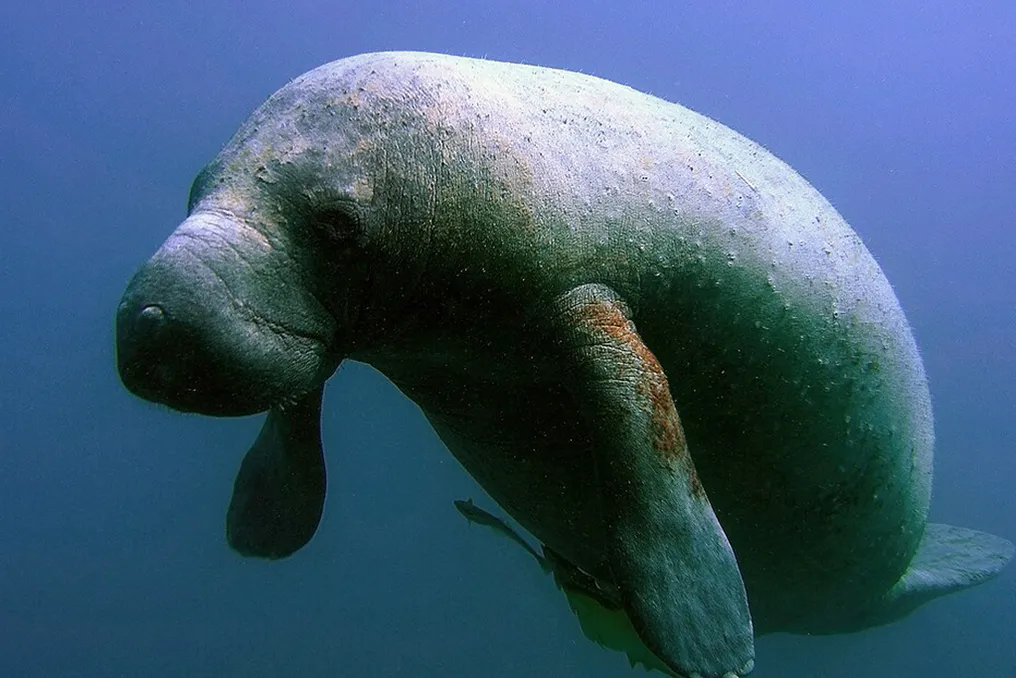
The study revealed the mechanism by which microbiota contributes to the ability of the manatee (peixe-boi) to obtain energy exclusively from plant food. As Brazil's largest freshwater mammal, it maintains a weight of almost half a ton, feeding only on plants, and the secret lies in its gut.

Mapping the microbiota of the Amazonian manatee (Trichechus inunguis), scientists discovered a previously unknown metabolic pathway: the animal possesses bacteria capable of breaking down epilactose—a carbohydrate that most known microorganisms cannot digest.

This discovery is part of a broader study that demonstrated the great diversity of microorganisms, genes, and enzymes associated with these animals' assimilation of a plant-based diet. In addition to the freshwater species, the research also examined the gut microbiota of the sea manatee (Trichechus manatus). The results, published on Tuesday (11/02) in the journal Nature Microbiology, have significant potential for biotechnological applications.

Mario Murakami, director of the National Laboratory of Bio-renewable Resources at the National Center for Energy and Materials Research (LNBr-CNPEM) and coordinator of the study supported by FAPESP, noted: 'The Amazonian manatee feeds on a large quantity and variety of plants. This diet is subject to seasonal changes, transitioning from the dry season to the wet season. Therefore, throughout its evolution, they have developed an arsenal of gut microorganisms capable of digesting cellulose with exceptional efficiency, about 80% to 86%.'

Thanks to this ability, the ecosystem of bacteria, archaea, viruses, and fungi in the manatee's gut was a natural target for Murakami's group, which had previously studied the gut microbiome of the capybara (Hydrochoerus hydrochaeris), a semi-aquatic species.

Murakami explains the difference in digestion strategy: 'In ruminants, such as cattle, microbial fermentation occurs mainly in the stomach, in the rumen, where microorganisms begin to break down plant biomass. Manatees and capybaras use a different strategy: they are hindgut fermenters, and most of this process occurs after the stomach. Therefore, the microorganisms living in the intestine play a fundamental role in utilizing the high-fiber plant diet.'

The study analyzed samples from 47 animals: 36 Amazonian manatees housed at the Laboratory of Aquatic Mammals of the National Institute of Amazonian Research (INPA) in Manaus, and eleven sea manatees undergoing rehabilitation in the Aquasis NGO Marine Mammal Program in Ceará.

Murakami personally participated in all phases of the research conducted and even dove into the sea to collect a sample. He recounted: 'There was a sea manatee that had already been reintroduced into nature but continued to frequently visit the area near the enclosure where other animals were recovering. By chance, while we were there, it defecated, and the opportunity arose to collect a sample from this animal. I did not hesitate: I jumped into the water to get it.'

Of more than 6 thousand genomes of bacteria and other microorganisms sequenced in the analyses, more than half represent species that have not yet been described by science. Regarding viruses associated with these microbial communities, about 80% were unknown.

Thousands of genes and enzymes that can be used in various biotechnological applications were also discovered. Murakami notes: 'It was difficult to choose where to delve into biochemically. Now we have data for analysis for at least the next ten years.'

One of the main achievements of the study was the discovery of a previously unknown enzyme used by the newly discovered bacterium 'Candidatus Epilactovorans intestinalis' to break down epilactose. Since this sugar is unavailable to the vast majority of microorganisms, this ability serves as an adaptive advantage in the competition for nutrients in the gut. In the future, this mechanism may inspire the creation of new prebiotic agents—ingredients that serve as 'food' to stimulate the growth of beneficial bacteria in our own gut flora.

When comparing the genome of this bacterium with others available in public databases, researchers found a similar sequence originating from the gut microbiota of the Hadza people, one of the last hunter-gatherer groups in Africa, whose slightly over a thousand inhabitants live in northern Tanzania.

According to Murakami, this genetic similarity is not a coincidence. He suggests that the ability to metabolize epilactose may be a hereditary trait of the common ancestor of all mammals. One hypothesis is that the traditional diet of the Hadza people continues to provide the necessary nutrients to sustain this bacterium.

In another aspect, the study showed that manatee microorganisms work together to digest the hardest and most fibrous parts of plants, such as cellulose and hemicellulose. These bacteria combine various strategies to 'deconstruct' the plant cell wall, turning rigid structures into nutrients that the animal can absorb.

Some of these metabolized compounds are produced from lignin—the substance that gives rigidity to plants and represents one of the main obstacles to the industrial use of plant biomass. This set of microorganisms and enzymes could open up new biotechnological solutions for processing agricultural waste and developing bioproducts, including applications in bioenergy, agriculture, and other sectors of the bioeconomy.

Some of the enzymes identified in the study and involved in the deconstruction of plant biomass can also be evaluated for use in platforms such as the Brazilian Enzymatic Cocktail (Coquetel Enzimático Brasileiro, OpEn), developed at CNPEM and customized for processing various raw materials and waste.

Murakami concludes: 'Our enzymatic cocktail has great potential to reduce Brazil's dependence on imported enzymes, as well as to create opportunities for the emergence of new biological industries. This work shows that Brazilian biodiversity is a repository of solutions for global problems and can lead the country to the forefront of the sustainable development race.'

The first authors of the work are Gabriela Persinioti, who coordinates the project supported by FAPESP at CNPEM, and Marcelo Martins, who received a postdoctoral fellowship from the Foundation.

Tencent's Hyra 2.0 research agent independently creates tools for proteins, mathematical proofs, and chips
Read more
pandaily.com

Tencent's Hyra 2.0 research agent independently creates tools for proteins, mathematical proofs, and chips

Tencent Hunyuan has released Hyra 2.0, the second version of its autonomous research agent, which was presented on November 2nd. Unlike Hyra 1.0, which focused on solving individual tasks, such as resolving the sum versus difference exponent problem using the Hy3 model, the new version is designed to create reusable research tools. The results and corresponding code are available in the GitHub repository under the Apache 2.0 license.

Hyra 2.0 functions as a three-level system consisting of general, mission, and worker agents. These agents are coordinated through a common research board and a persistent task queue. A specialized worker agent verifies results, agents maintain multi-level memory, and a general knowledge base summarizes learned lessons into applicable skills.

Tools Created by the System

Tencent has introduced a range of tools developed by this system. Among them is HyInv—a protein reverse folding model with 1.96 million parameters. This model operates 57 times faster than ProteinMPNN, demonstrating better structural correspondence and capable of designing 128 sequences in just 50 milliseconds.

The HyPLM-Flash protein language model was also presented, possessing 650 million parameters and trained on 726 billion tokens. It proved to be the fastest among 12 compared models, ranking third on average across 35 tasks, processing about 130,000 residues per second on a single H20 processor.

The HyFF force field family, which includes five variants with parameters ranging from 2.3 million to 1.2 billion across 83 elements, sits on the Pareto front of accuracy and speed compared to 16 other models. Tencent claims that their Largo model shows the lowest energy error—0.364 meV per atom—and this complex was able to simulate a 60,000-atom aquaporin system over 100 nanoseconds.

Achievements in Mathematics and Quantum Computing

In the field of mathematics, the HyProver component achieved two results. It solved Petty's conjecture on equilateral sets in five-dimensional space, raising the maximum solved dimension from four. Regarding Yau's circle action hypothesis, the GitHub description presents a counterexample for the unbounded case—a closed seven-dimensional manifold that is not simply connected; meanwhile, the simply connected version remains an open problem.

In the area of quantum error correction, HyQEC discovered the code [[488,123,22]], which, according to Tencent, surpasses the previous leader by approximately 48% in the qLDPC metric.

Robotics and Chips

Furthermore, Hyra designed a simulated robotic arm mechanism that was 28.6% faster than the reference design. On the open XiangShan RISC-V processor, the agent increased the SPECint2006 score by 5.79% per gigahertz while increasing the area by only 0.3% and detecting ten errors. Tencent reports that Hyra is now being used to train subsequent Hy series models.

It is important to note that all presented results belong to Tencent and have not yet undergone independent review.

Popular