Uzbekistan launches digital platform to connect businesses and attract investments
Read more
UzDaily
uzdaily.uz

Uzbekistan launches digital platform to connect businesses and attract investments

Uzbekistan has introduced the first phase of the World Business Integration Platform (wbip.uz) — a digital service created to assist foreign companies in finding partners, investors, and clients.

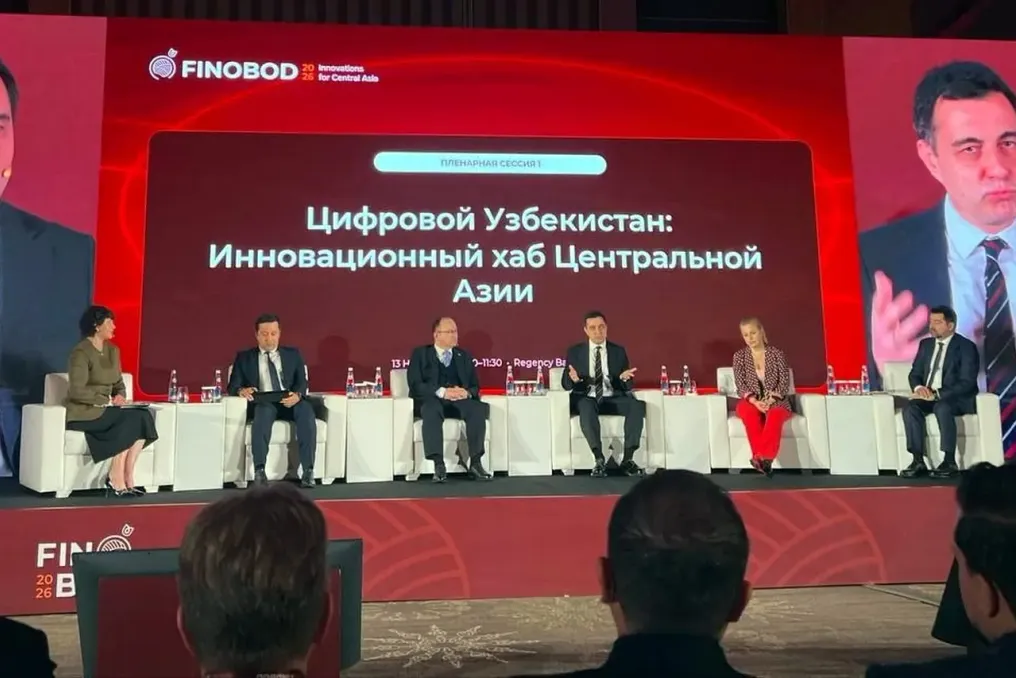
The launch was announced by Mukhtar Umarov, Chairman of the Assembly of the Economy of Uzbekistan, during the FINOBOD 2026 forum in Tashkent. The project was presented on November 13 at a plenary session titled 'Digital Uzbekistan – an Innovation Hub of Central Asia.' According to Umarov, the platform is part of the OS Assembly System cluster, which uses artificial intelligence to unite 65 industry associations representing about 100,000 companies.

Additionally, a separate platform called Tijorat Markazi is available for Uzbek entrepreneurs, designed for selling goods, attracting investments, and hiring personnel. Umarov reported that over 2,000 Chinese companies have already applied to participate in this international platform.

He noted that this service can facilitate cooperation with partners from China, Japan, Russia, and European countries. A session moderator emphasized that Uzbekistan previously lacked a single platform of this scale.

According to data presented at the meeting, as of September 1, 2026, approximately 21,500 enterprises with foreign investments were operating in Uzbekistan, of which about 17,000 were wholly foreign-owned. Chinese companies constituted the largest group, followed by Russian, Turkish, Kazakh, and South Korean enterprises.

Ildus Khalitov, representative of the Ministry of Economic Development of Russia in Uzbekistan, stated that more than 3,500 companies with Russian capital operate in the country, accounting for nearly 20% of all enterprises with foreign investments. He added that Russian companies are increasingly entering Uzbekistan with the aim of localizing production and gaining access to third-country markets. He also mentioned that one Russian-Uzbek technological park is already fully occupied by local companies.

Timur Kornilov, Managing Director of the Skolkovo Foundation, reported that about 70 out of 3,500 resident companies of the foundation operate in Uzbekistan, calling this a relatively small number. In September, the foundation signed an agreement with the Ministry of Higher Education, Science, and Innovation of Uzbekistan and approved a roadmap for creating an artificial intelligence center in Tashkent, scheduled for 2027–2028.

Kornilov pointed to the limited size of the Uzbek venture market as one of the factors slowing down the country's development as a regional innovation hub. He estimated the market at approximately 145–150 million US dollars, noting the presence of about 13 funds. Furthermore, he highlighted the shortage of qualified personnel and the need to harmonize business conditions in the region.

Ekaterina Yelmanova, Deputy Chairman of the Board of Rosbank, reported that the bank has been using its proprietary AI-based end-to-end platform since 2023, covering processes from data processing to model management. She specified that about two-thirds of the bank's architecture consists of internal developments, and Rosbank is ready to cooperate with Uzbek partners in the field of banking platforms and artificial intelligence.

Hasan Rakhmatov, Chairman of the Supervisory Board of Asia Alliance Bank, stated that clients expect integrated platforms and fast solutions, while speed and security remain key requirements.
Similar stories

Uzbekistan launches NarxStat platform for publishing price statistics
Read more
uzdaily.uz

Uzbekistan launches NarxStat platform for publishing price statistics

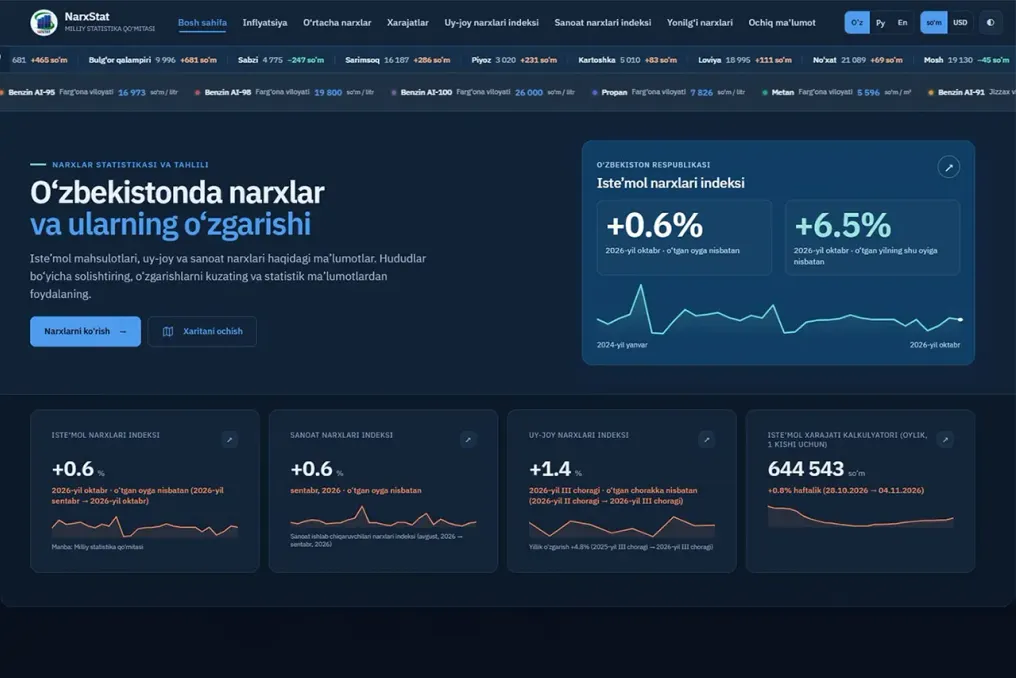
The National Statistical Committee of Uzbekistan announced the launch of the open platform NarxStat, which is designed to provide information on prices and inflation levels. This was reported during a press conference.

The platform is available at narx.stat.uz and contains statistics on key price indicators covering the entire country. Users can access the consumer price index, as well as weekly average prices for essential food products and fuel, with details by region and district.

Furthermore, NarxStat provides a housing price index and a producer price index for industrial products. The platform also includes tools for calculating inflation and consumer expenditures.

Data is available for download in CSV and JSON formats, and can also be obtained via API without prior registration.

Uzbekistan launches second phase of rural development project worth $320 million
Read more
uzdaily.uz

Uzbekistan launches second phase of rural development project worth $320 million

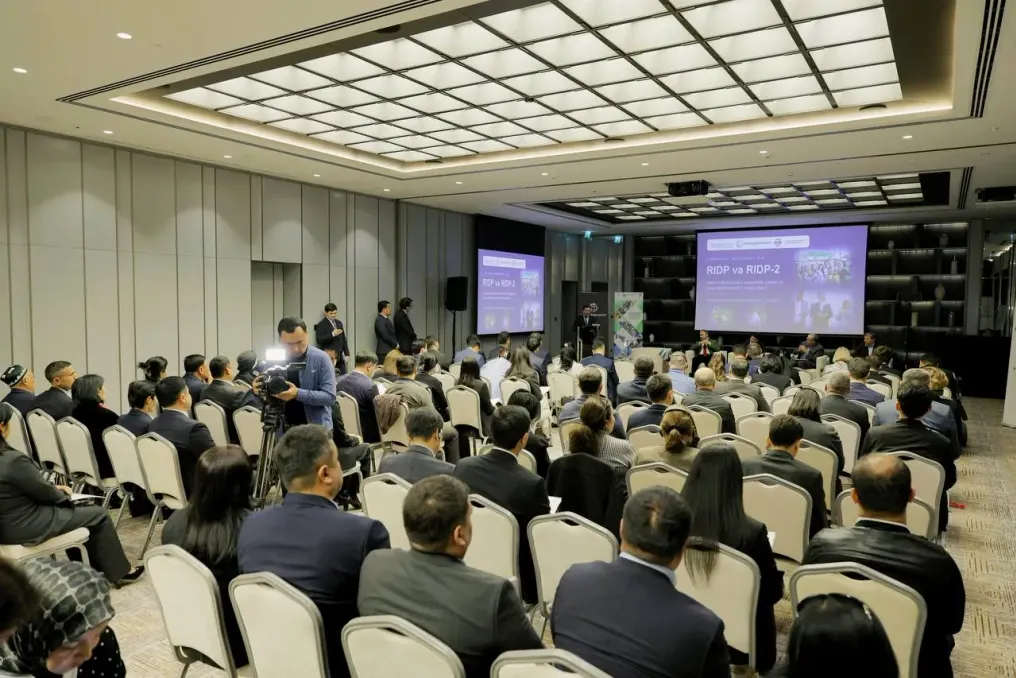
Uzbekistan has completed the analysis of the results of its Rural Infrastructure Development Project (RIDP), which was implemented from 2019 to 2026, and presented plans for its continuation under the second phase, named RIDP-2.

The new program will cover 296 mahallas across six regions and will focus not only on infrastructure renewal but also on entrepreneurship development and job creation.

Overview of the first phase of the project

On November 4, the Ministry of Economy and Finance of Uzbekistan, together with the World Bank Group, held a conference to assess the achievements of the first phase of the project and discuss the transition to the next stage—Rural Infrastructure Development Project 2 (RIDP-2).

During the implementation of RIDP, approximately 900 infrastructure projects were completed in 306 mahallas across five regions of the country. These projects included the construction and modernization of over 340 roads, 220 power supply systems, and 160 water supply systems.

Additionally, about 100 schools, 40 preschool institutions were renovated, and 10 bridges were built in rural areas. The project directly benefited approximately 1 million rural residents, almost half of whom are women.

Financing and goals of the second phase

The total budget for RIDP-2 will be $320 million USD. Funding will be distributed as follows: the World Bank will provide $150 million, the Asian Infrastructure Investment Bank (AIIB) will contribute $100 million, and the Government of Uzbekistan will allocate the remaining $70 million.

The second phase plans to cover 296 mahallas in six regions. By 2031, the program is expected to benefit approximately 1.2 million rural residents, including 600,000 women and 300,000 youth.

The program will focus not only on improving living conditions through infrastructure construction and renewal but also on expanding economic opportunities for rural residents, supporting entrepreneurship, and creating new jobs.

Entrepreneurship support and community involvement

Under RIDP-2, joint centers for entrepreneurs engaged in agricultural processing and small-scale production are planned for 15 pilot mahallas. These facilities are intended to give local businesses the opportunity to grow and increase employment.

The work of 'Mahalla Seven' will play a special role in implementing the new phase. Their involvement is expected to encourage residents to participate more actively in determining development priorities for their mahallas, preparing initiatives, and monitoring project execution.

The experience of the first phase of RIDP showed that the effectiveness of investments in rural infrastructure largely depends on the participation of the local community. When residents themselves determine their most pressing needs and monitor project implementation, the resulting initiatives better reflect the needs of individual communities.

Thus, RIDP-2 aims to develop this approach by combining infrastructure investments with measures to support entrepreneurship, increase income, and expand employment. Special attention will be paid to women and youth, as developing the rural economy provides them with additional opportunities for employment and self-realization.

Uzbekistan Implements Online Control of Preschool Institution Expenditures
Read more
uzdaily.uz

Uzbekistan Implements Online Control of Preschool Institution Expenditures

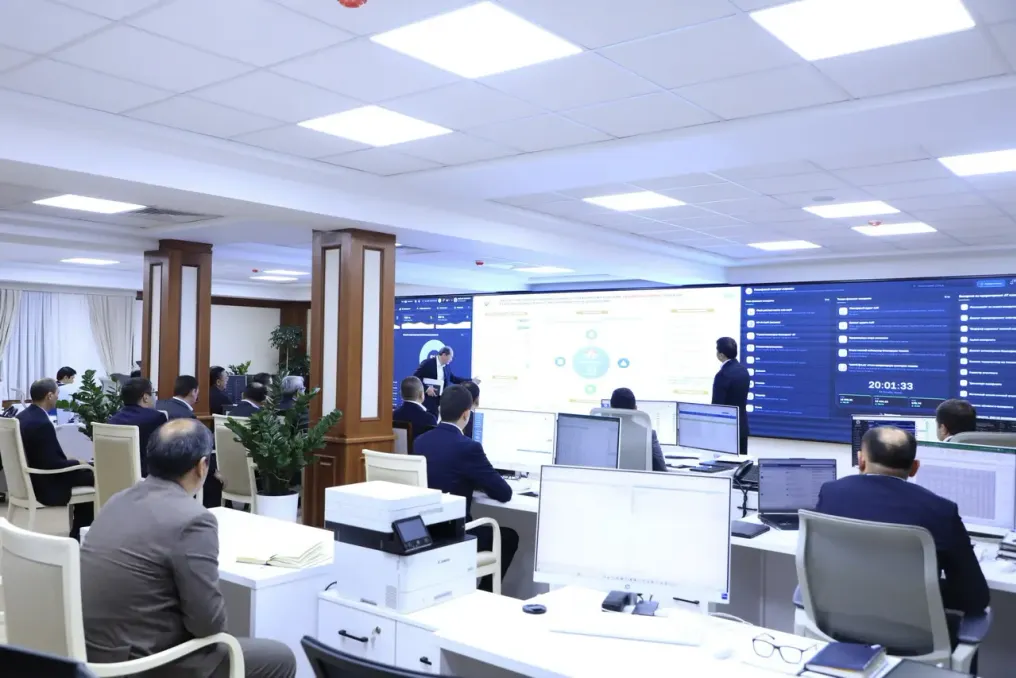
The Accounts Chamber of Uzbekistan has launched an information system for planning the financing of preschool educational institutions and monitoring expenditures online.

The new function was integrated into the remote audit system. It allows authorities to determine the budgetary needs of each preschool organization, compare them with allocated funds, and analyze actual spending.

The system combines data from the resources of the Ministry of Economy and Finance, the Ministry of Preschool and School Education, as well as utility providers. Data exchange has been established between the relevant state bodies and organizations.

The system processes information on the financial needs of kindergartens, allocated funds, and actual expenses. Comparing these indicators is expected to help timely identify risks of underfunding and unjustified increases in costs.

It is also anticipated that this tool will improve the accuracy of budget planning and resource allocation by taking into account the needs of individual preschool institutions.

The system was presented at the Accounts Chamber. Participants included Obid Khakimov, Deputy Head of the Presidential Administration for Education Reform; Erkindjon Turdimov, First Deputy Prime Minister and Minister of Education and Science, as well as senior officials from the Accounts Chamber.

Participants discussed how this system can be used to finance preschool education and increase the efficiency of public spending. Representatives of the ministries were given the opportunity to test the new functionality in practice. A plan for further system improvement is scheduled after the trial period.

Popular