Uzbekistan and Sweden Discuss Pilot Program for Labor Mobility
Read more
UzDaily
uzdaily.uz

Uzbekistan and Sweden Discuss Pilot Program for Labor Mobility

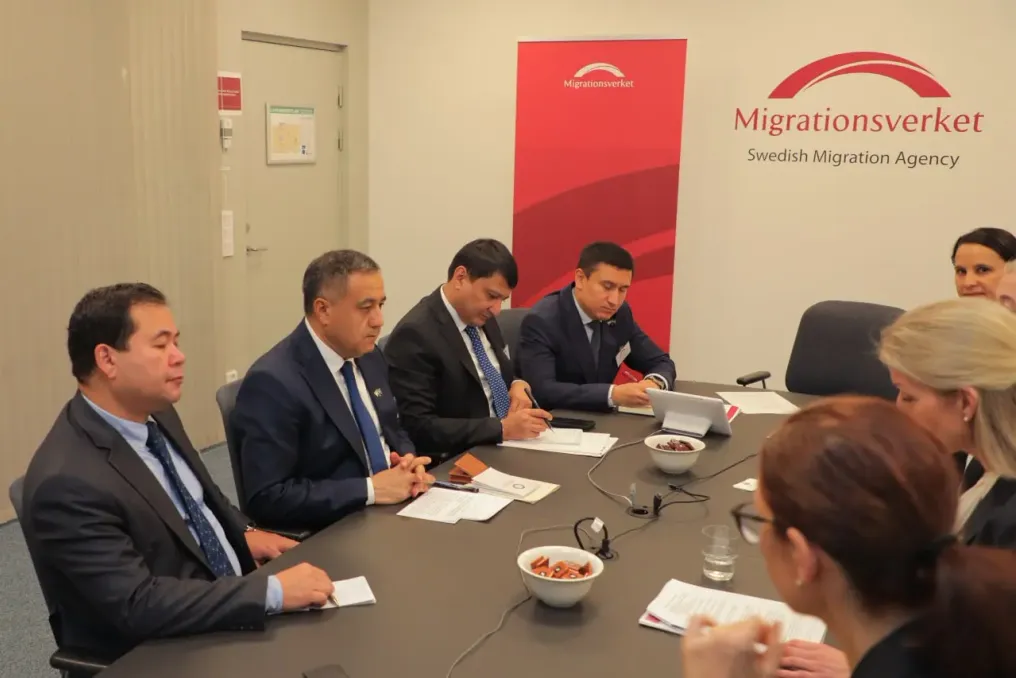
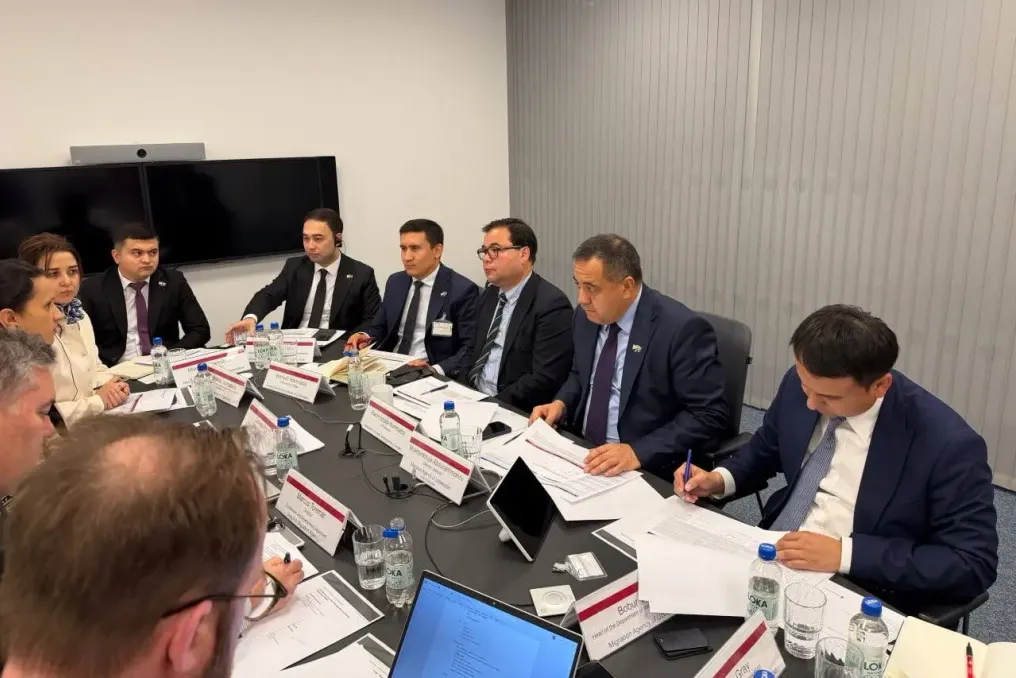
The Migration Agency of Uzbekistan reported that Uzbekistan and Sweden held discussions on plans to attract Uzbek workers for employment in the agriculture, construction, and healthcare sectors under a pilot labor mobility program.

The negotiations took place on November 12 at the first meeting of the Joint Steering Committee of the Pilot Partnership Program for Migration (PMMP). Representatives from the Migration Agency of Uzbekistan, the Swedish Migration Agency, diplomatic services of both countries, and the International Organization for Migration (IOM) participated in the meeting.

The parties identified three potential areas of cooperation. The first area covers seasonal jobs in agriculture, forestry, and tourism. The second relates to skilled professions, including welders and certain construction specialties. The third is aimed at training medical workers followed by employment.

Preliminary figures were discussed during the talks, including groups of up to 100 seasonal workers, 50 welders, and 100 healthcare specialists. However, these figures have not yet been approved by employers as quotas or commitments.

Bekhzod Abdurakhmonov, Director of the Migration Agency of Uzbekistan, proposed moving towards specific pilot recruitment rounds parallel to the development of a general program. The parties plan to define four or five priority professions and agree on employer requirements regarding qualifications, language, and candidate training schedules.

Uzbekistan stated its readiness to organize preliminary candidate selection and provide professional and language training. Foreign instructors may be involved if necessary. Qualification assessment can also be conducted with the participation of potential employers.

The parties separately discussed healthcare training, using the example of the Södermanland region in Sweden. The proposed model involves candidates studying the Swedish language in Uzbekistan up to B2 level before continuing their studies in Sweden to reach C1 level. A C1 level is required to meet professional certification standards, but a separate recruitment program for medical workers has not yet been agreed upon.

The IOM confirmed its readiness to support the project within the framework of a joint declaration of intent. Participants also discussed the transparency of candidate selection, verification of employer staffing needs, and measures to prevent illegal employment and intermediary abuses.

Future plans include establishing direct contacts between Swedish employers, industry associations, and licensed private employment agencies in Uzbekistan. The possibility of an introductory trip for representatives of Swedish companies to Uzbekistan is also being considered. Meetings between recruiting companies from the two countries may take place in early 2027. If employer demand is confirmed, the parties intend to prepare the first groups of candidates for subsequent recruitment stages.

Participants agreed to continue developing an action plan and holding regular online consultations. The next in-person meeting of the steering committee may take place in Uzbekistan at the end of January 2027.
Similar stories

Uzbekistan and Sweden Discuss Launch of 18-Month Employment Pilot Project
Read more
uzdaily.uz

Uzbekistan and Sweden Discuss Launch of 18-Month Employment Pilot Project

Uzbekistan and Sweden held discussions on launching an 18-month pilot project aimed at legalizing the employment of Uzbek citizens in Sweden. This was reported by the Uzbekistan Migration Agency.

The negotiations took place during the working visit of the Uzbek delegation to Sweden. The Director of the Migration Agency, M. Abdurakhmonov, met with the Swedish Secretary of State, Anders Hall.

The parties reviewed issues related to the implementation of a bilateral migration agreement, as well as specialist training and conditions for legal hiring based on the needs of Swedish companies.

The Swedish side proposed starting the pilot project in several specialties where demand has already been confirmed by employers. Participants discussed candidate selection procedures, qualification and language requirements, as well as employment conditions and project performance indicators.

Uzbekistan proposed conducting training for potential workers in existing technical colleges. It is expected that the training will align with the programs and professional standards set by Swedish employers.

Potential areas of cooperation include welding and other technical professions, automotive engineering, vehicle maintenance, and agriculture.

The issue of protecting the rights of program participants was also addressed. Anders Hall supported the approach that candidates must receive full information about their future employer before departure, including details on salary, job duties, accommodation, and rules for staying in Sweden.

Participants noted that providing advance information will help reduce the risks of fraud by intermediaries and eliminate discrepancies between stated and actual working conditions.

The parties confirmed their intention to continue preparing the project, but issues regarding employment quotas, the list of participating companies, and the volume of funding have not yet been resolved.

Uzbekistan and Sweden Begin Implementation of Bilateral Migration Agreement
Read more
uzdaily.uz

Uzbekistan and Sweden Begin Implementation of Bilateral Migration Agreement

Uzbekistan and Sweden held discussions on practical steps to implement their bilateral migration agreement, which came into force on November 1, 2026.

According to the Migration Service of Uzbekistan, the parties are studying opportunities to expand legal employment options for Uzbek citizens in Sweden.

The Uzbek delegation held negotiations with representatives of the Swedish Ministry of Foreign Affairs. Participants included officials from the Cabinet of Ministers, the Migration Service, the Agency for Vocational Education, and the Embassy of Uzbekistan in Sweden.

One of the key areas of cooperation will be the training of qualified specialists in line with the needs of Swedish employers. The parties also discussed the need to adapt the curricula of vocational colleges to meet the requirements of foreign companies.

Furthermore, participants reviewed options for simplifying the procedures for obtaining work visas and residence permits, expanding direct contacts with Swedish firms, and developing a pilot employment mechanism.

The Swedish side reacted positively to the proposal for training specialists based on specific employer demand. After the meeting, both sides expressed interest in further cooperation in personnel recruitment and training, as well as in creating mechanisms for legal employment.

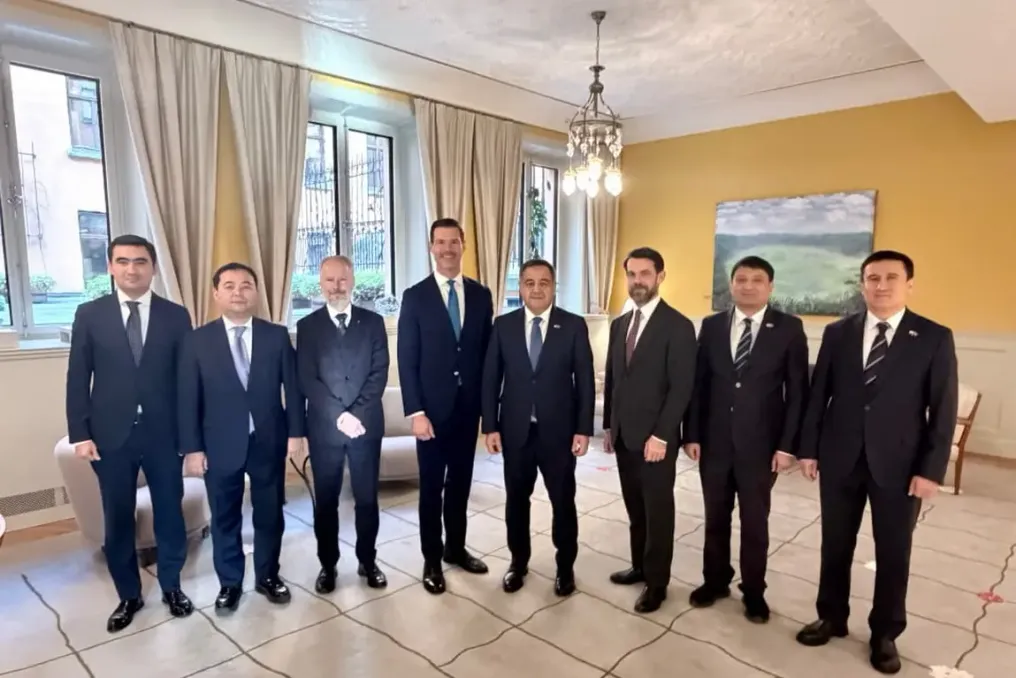
During the visit, the Director of the Migration Service of Uzbekistan, Mukhsinkhodzha Abdurakhmonov, met with the Swedish Minister for Migration, Johan Forsell. They exchanged views on the prospects for bilateral interaction, with Forsell emphasizing the importance of continuous development of cooperation and its practical aspects.

Uzbekistan may train specialists for Swedish companies under a pilot program
Read more
uzdaily.uz

Uzbekistan may train specialists for Swedish companies under a pilot program

The Migration Service of Uzbekistan reported that Uzbekistan and Sweden discussed the possibility of training specialists in Uzbek technical colleges to meet the needs of Swedish companies within an 18-month pilot program.

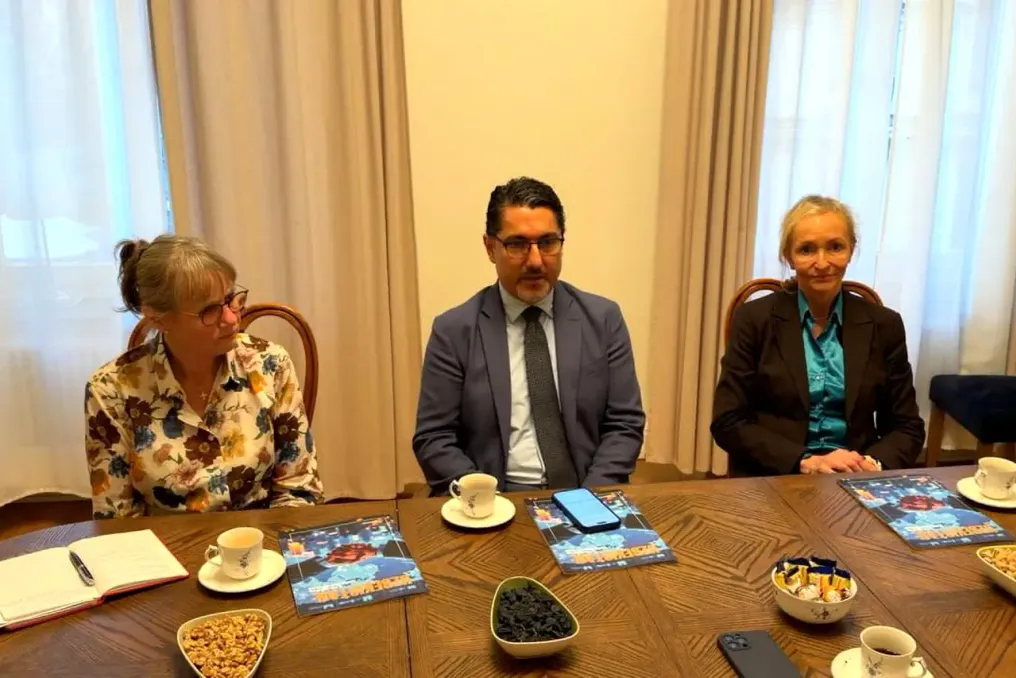
The negotiations took place in Sweden between an Uzbek delegation led by the Director of the Migration Service, Mukhsinhodjo Abdurakhmonov, and Annika Gottberg, Deputy CEO of the Swedish Migration Agency.

The parties discussed training qualified workers according to the requirements of Swedish employers, expanding opportunities for legal employment, and protecting the rights of workers.

One of the key areas of cooperation within the 18-month pilot program will be the gradual development of ties in the field of labor migration.

Furthermore, the parties considered organizing targeted vocational training and Swedish language courses in Uzbek technical colleges, taking into account the needs of Swedish enterprises. The idea of creating a center for assessing the level of Swedish language proficiency in Uzbekistan was also discussed.

Another topic was the exchange of experience regarding the issuance of work permits, conclusion of employment contracts, and protection of citizens' rights.

After the meeting, both sides expressed interest in continuing the dialogue to implement the pilot program and determine further practical steps.

Popular